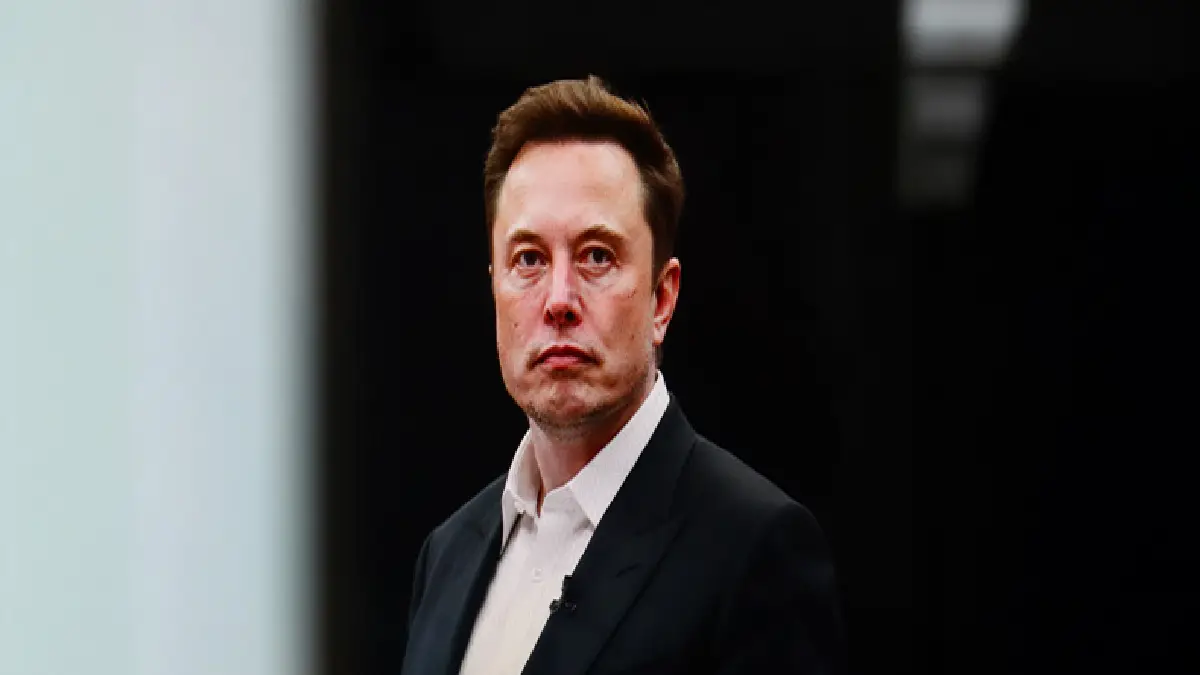
Tesla and SpaceX CEO Elon Musk has offered an optimistic prediction about the long-term impact of artificial intelligence, suggesting that the development of advanced AI, robotics and artificial superintelligence could eventually create what he calls an “age of abundance.” According to Musk, technological progress could transform employment, raise living standards and potentially lead to a future of universal high income.
Musk’s comments come amid growing debate over how increasingly capable AI systems could reshape economies and the workplace. While concerns about job displacement have increased as AI becomes capable of performing more complex tasks, Musk has argued that the transition could ultimately produce significant benefits for society.
AI Could Transform the Future of Work
Discussing the future of employment, Musk suggested that traditional jobs could change dramatically as AI and robots become capable of handling tasks currently performed by humans. He compared the development to earlier technological shifts, when digital machines replaced people who were effectively working as human “computers.”
The comparison highlights Musk’s view that technological progress does not necessarily eliminate economic activity altogether. Instead, the types of work people perform can change as machines become better at repetitive, computational and physical tasks.
In a future dominated by advanced AI and robotics, people may spend less time performing routine work while focusing on activities that require creativity, human interaction and other capabilities that remain valuable.
Artificial Superintelligence and Universal High Income
One of Musk’s more ambitious predictions is that artificial superintelligence could eventually create an “age of abundance.” In such a scenario, highly automated production could potentially make goods and services more widely available while reducing the amount of human labour required.
Musk has suggested that this could contribute to universal high income, although such an outcome would depend on how AI-generated wealth and resources are distributed across society.
The prediction remains speculative. The economic consequences of advanced AI will depend not only on technological capabilities but also on government policies, ownership structures, education, labour markets and access to technology.
Potential Healthcare Benefits
Musk also pointed to healthcare as an area where advanced technology could have a major impact. He argued that AI and other emerging technologies could eventually improve medical care and give people access to better healthcare services.
AI could potentially assist with areas such as medical research, diagnosis, drug discovery and personalised treatment. However, the extent of these benefits will depend on technological development, clinical validation and responsible implementation.
For now, Musk’s vision remains a prediction rather than an established outcome. The rapid development of AI, robotics and superintelligence could reshape work and healthcare in profound ways, but how those changes affect individuals and economies will depend on decisions made alongside technological progress