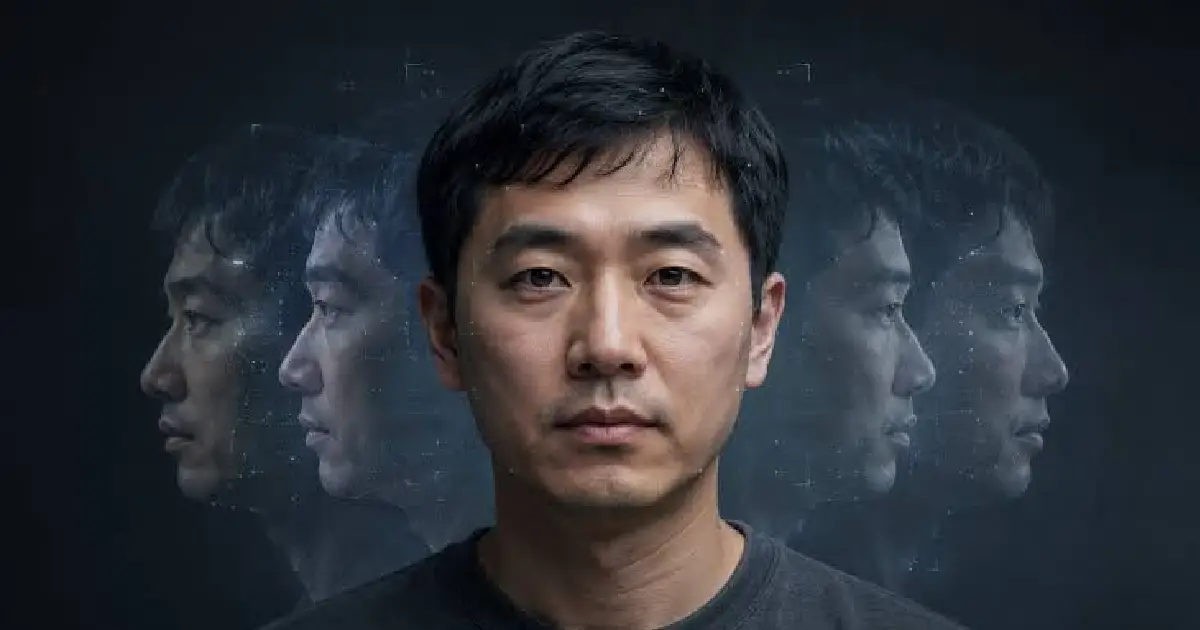
A new business trend in China is highlighting how artificial intelligence is changing the entertainment and advertising industries. People are reportedly licensing their facial likenesses to companies that use artificial intelligence to create digital characters for dramas, advertisements, video games and other forms of content. Some contracts can reportedly pay individuals fees of up to ₹14 lakh, depending on the scope and duration of the agreement.
The practice is part of the growing market for AI-generated digital humans. Instead of hiring an actor for every filming session, production companies can obtain permission to use a person’s face and create an AI-generated character based on their appearance.
How AI Face Licensing Works
Under these arrangements, individuals generally provide photographs, facial scans or video footage that can be used to create a digital representation. AI systems can then generate a virtual character capable of appearing in different scenes, advertisements or interactive experiences.
The person may not need to physically participate in every production. Once the digital likeness has been created, companies can potentially use it in multiple AI-generated scenes, depending on the rights granted under the contract.
Payments can vary significantly. Factors such as exclusivity, duration, geographical coverage, the number of productions and permitted commercial uses can influence the value of an agreement. Reports of fees reaching ₹14 lakh have attracted attention because they demonstrate the potential commercial value of a person’s digital identity.
Why Chinese Companies Are Exploring the Trend
China has a rapidly expanding AI and digital entertainment sector. AI-generated video, virtual influencers and digital humans are increasingly being explored by technology companies, advertising agencies and entertainment producers.
For companies, licensing a face can provide a reusable digital asset. A virtual character can potentially appear in advertisements or entertainment projects without requiring traditional filming arrangements each time.
The development also reflects a broader shift toward synthetic media, where AI can generate realistic people, voices and environments.
Privacy and Digital Rights Concerns
The growing market also raises important questions about facial identity and digital rights. A person’s face is closely connected to their identity, and contracts allowing AI systems to reproduce someone’s likeness can have long-term consequences.
Experts and policymakers have increasingly focused on issues such as consent, compensation, data protection and the unauthorized use of digital replicas. Clear agreements are particularly important because AI-generated versions of a person could potentially be used in contexts that were not originally anticipated.
A New Market for Digital Identity
The emergence of paid AI face licensing suggests that people’s physical appearance could become a valuable digital asset. While the reported ₹14 lakh deals represent the higher end of the market rather than a standard payment, the trend illustrates how AI is creating new ways for individuals to monetize their likeness.
As AI-generated dramas, advertisements and games become more sophisticated, the rules surrounding digital identity, facial likeness and AI-generated characters are likely to become increasingly important.