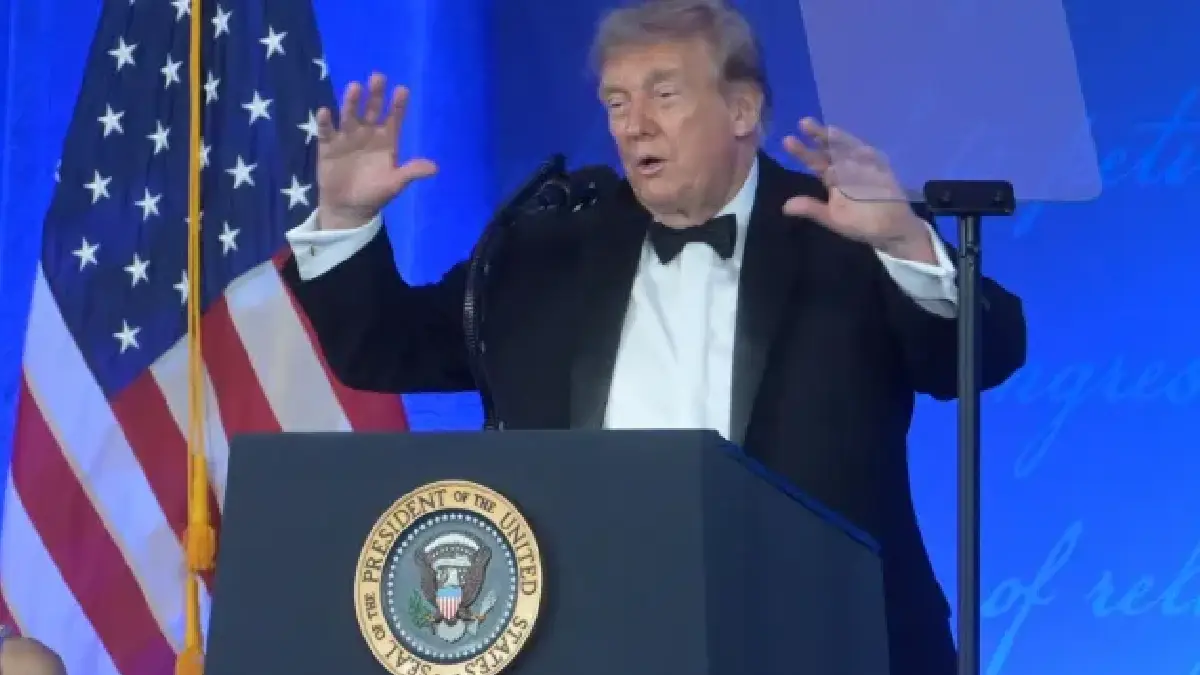
US President Donald Trump has waived significant Russia-related sanctions and tariff measures under a recently passed law, easing an immediate threat of punitive duties on countries that continue buying Russian oil and gas. The legislation gave the US administration powers to impose tariffs of up to 100% on imports from major buyers of Russian energy, potentially including India. The waiver means the measures will not take effect as originally expected, though the administration may retain options for future action.
What the law would have allowed
The law was designed to increase economic pressure on Russia over its war in Ukraine. Among its provisions was the ability to impose steep tariffs on countries purchasing Russian oil and gas. Such a measure could affect trade with major energy buyers, including India and China, depending on how the administration applied the authority and which products were covered.
Why India was watching closely
India has imported substantial volumes of Russian crude in recent years, partly because price and supply conditions made it commercially attractive. A 100% tariff threat would have raised uncertainty for exporters selling goods to the United States and could have complicated trade negotiations. It would not necessarily mean every Indian product would automatically face that rate; the actual impact would depend on the order, scope, exemptions and implementation rules.
Why Trump issued a waiver
Reporting on the executive action says the White House cited national interests, including concerns about energy prices and broader diplomatic considerations. The move has drawn criticism from lawmakers who argue that waiving the measures weakens pressure on Moscow. Supporters of the decision may argue that flexibility is needed to manage energy-market risks and retain negotiating options.
What it means for businesses
For Indian exporters, the waiver reduces an immediate source of uncertainty but does not remove all trade-policy risk. Companies should continue monitoring official US government notices and tariff schedules, especially if their products are exposed to existing duties or future policy changes. Importers and exporters should avoid treating political statements as final legal instructions until the relevant order and implementation guidance are published.
What happens next?
The administration could revisit the measures if it decides circumstances have changed. The situation also intersects with global oil prices, the war in Ukraine and US-India economic relations. Any future tariff action would need to be assessed against the precise legal text and official implementation details rather than headlines alone.
According to Reuters reporting published October 17, 2026, the waiver covered significant Russia-related measures before they took effect. Readers should consult official US government releases for the operative legal text.