OpenAI introduced GPT-6.2 Astra and GPT-6.2 Sol on November 17, positioning the two models for different kinds of professional and everyday work. Astra is aimed at demanding reasoning, coding and long-running projects, while Sol is designed as a faster, more efficient option for multi-step tasks. The company says both models improve performance on difficult workloads while generating fewer output tokens than their predecessors.
GPT-6.2 Astra is built for complex professional work
OpenAI describes Astra as its frontier model for complex projects. The company highlights work involving spreadsheets, presentations, documents, software development, interactive web design and computer-use workflows. It says Astra is better at following supplied templates and professional conventions, and can build more capable front-end experiences and write cleaner code.
OpenAI also reported stronger results on its internal Agents’ Last Exam benchmark, which tests multi-step professional tasks. These are company-reported benchmark results, not an independent guarantee that the model will outperform every alternative in every real-world task.
GPT-6.2 Sol focuses on everyday workflows
Sol is positioned as the more efficient model for routine work that still requires several steps. OpenAI says it can help with technical and non-technical tasks, write clearly and work through agentic workflows while using the same paid-plan allowance more efficiently.
The distinction is practical: Astra is intended for the hardest and most involved work, while Sol is designed for a broader set of everyday tasks where speed and cost matter.
Availability for ChatGPT users and developers
OpenAI says GPT-6.2 Astra and Sol are available to Plus, Pro, Enterprise and Edu users in ChatGPT Work and Codex. Developers can also access the models through the OpenAI API. The models are not listed as available in the standard ChatGPT chat experience, and the published plan list does not include Free accounts for Work and Codex access.
For API users, OpenAI lists GPT-6.2 Astra at US$8 per million input tokens, US$0.40 per million cached input tokens and US$40 per million output tokens. The company says Astra’s input and output token prices are 20% lower than GPT-6 Astra, with a 60% reduction for cached input. GPT-6.2 Sol carries forward the previous Sol pricing: US$2 input, US$0.10 cached input and US$10 output per million tokens. Prices can change, so developers should check the official pricing page before estimating production costs.
Safety and cybersecurity considerations
OpenAI says the new models have stronger capabilities in cybersecurity and that it has added tighter safeguards for higher-risk assistance. The company also says both models meet its High threshold for biological and chemical capabilities under its Preparedness Framework. These classifications are OpenAI’s own risk assessments, but they underline why stronger models need careful deployment controls, monitoring and human review.
Why the release matters to India’s technology sector
Indian software companies, startups, agencies and enterprise teams increasingly use AI for coding, research, data analysis and workflow automation. More capable models may help teams handle longer tasks, but the real value will depend on accuracy, integration costs, data governance and whether outputs can be checked before they are used in production.
Infoflick has also covered the funding behind India’s physical-AI ecosystem in its report on Bengaluru’s Humyn Labs and its $47 million funding, as well as the proposed TRAI draft AI guidelines for telecom operators.
Sources
- OpenAI: Introducing GPT-6.2 Astra and Sol, November 17, 2026
- OpenAI Help Center: Model Release Notes, November 17, 2026
- TechRadar: GPT-6.2 release and availability, November 17, 2026
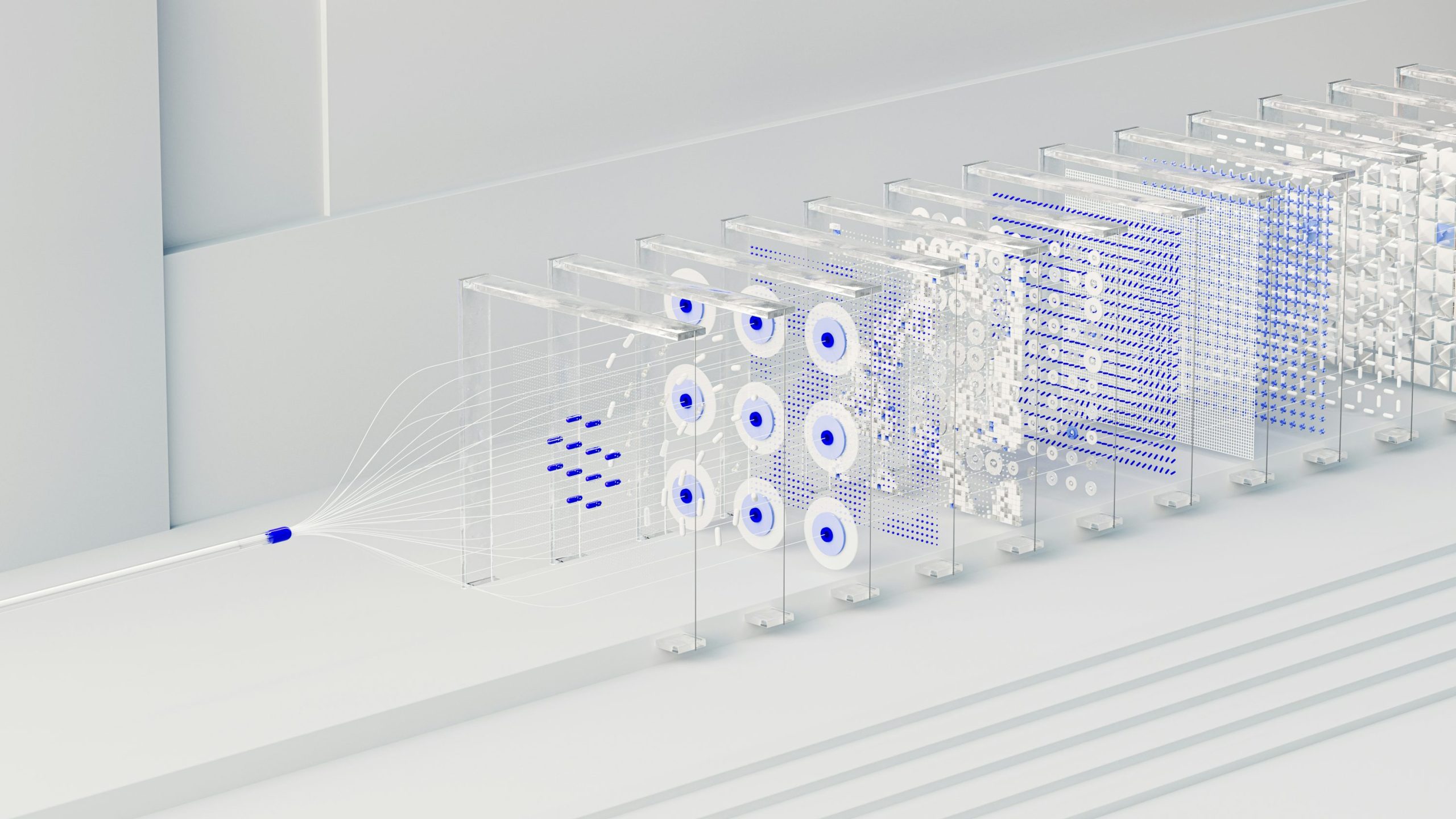
Image: Conceptual AI illustration by Novoto Studio / Google DeepMind via Unsplash, Unsplash License. It is not an OpenAI product photograph.
Infoflick Technology Desk | November 22, 2026