Bangladesh has urged India to begin formal negotiations on the renewal of the 1996 Ganges Water Sharing Treaty before it expires on December 12, 2026. The appeal came on Sunday, November 22, as the two countries held the 91st meeting of the joint committee responsible for monitoring the agreement in Dhaka. The committee finalised its 2026 implementation report, but the meeting did not decide whether the treaty will be renewed, revised or replaced.
What happened at the 91st joint committee meeting?
The meeting reviewed implementation of the existing treaty and completed the annual report for 2026, according to Bangladesh’s Prime Minister’s finance and planning adviser Rashed Al Mahmud Titumir, who heads the country’s technical committee on Ganges water. The Bangladesh delegation was led by Joint Rivers Commission member Md Anwar Kadir, while India’s delegation was headed by Sharad Chandra, a member of India’s Joint Rivers Commission.
The annual report is part of the treaty’s regular monitoring process. It is not a renewal agreement and does not itself extend the current arrangement. The 91st meeting was held in Dhaka on Sunday, November 22, as part of the two countries’ regular treaty-monitoring process.
Why December 12 is an important date
India and Bangladesh signed the Ganges Water Sharing Treaty in New Delhi on December 12, 1996, for a period of 30 years. Article XII says the treaty remains in force for 30 years and can be renewed by mutual consent. The current term is therefore due to end on December 12, 2026.
The agreement governs the sharing of Ganges waters at Farakka during the dry-season period from January 1 to May 31. It uses a formula based on ten-day periods and provides for joint monitoring of river flows at Farakka and at the Hardinge Bridge point in Bangladesh.
Bangladesh wants formal negotiations to begin
Titumir told UNB that Bangladesh had completed its preparations for treaty discussions and wanted India to take steps to begin formal negotiations before the current term ends. He said Bangladesh had formed a high-level technical committee in June and had renewed its request in August for India to form a corresponding committee. Bangladesh’s water resources minister has also written to his Indian counterpart through diplomatic channels, according to the report.
Bangladesh has indicated that it wants a new or revised arrangement that addresses dry-season flows and its concerns about water availability. The precise terms of any future agreement have not been settled.
India’s stated position and the JRC’s role
India’s Ministry of External Affairs spokesperson Randhir Jaiswal has said the Joint Rivers Commission is the established mechanism for discussing water-related and cross-border river issues, including the Ganges. He also said India remained committed to a constructive relationship with Bangladesh while safeguarding its interests.
The joint committee’s role is primarily technical: it monitors implementation, reviews data and prepares reports. The renewal or replacement of the treaty requires decisions by the two governments, not the committee alone. That distinction is important because the completion of the 2026 report should not be mistaken for progress on a final renewal deal.
What happens next?
The immediate next step is the conclusion of the Dhaka meeting and the submission of the annual report to both governments. With the treaty’s expiry date only weeks away, the key question is whether New Delhi and Dhaka will establish a political and technical process for negotiations before December 12. No new treaty or extension had been announced at the time of publication.
For related river infrastructure coverage, read Infoflick’s report on the Nitish Setu bridge across the Ganga in Bihar.
Sources and documents
- The Business Standard / UNB: Bangladesh urges India to begin formal negotiations, November 22, 2026
- Dhaka Stream: 2026 Ganges treaty implementation report finalised, November 22, 2026
- Dhaka Tribune: 91st Joint Rivers Commission meeting begins in Dhaka, November 22, 2026
- The Financial Express / UNB: Delegations and India’s stated position, November 21, 2026
- Government of India: Text of the 1996 Ganga/Ganges Water Sharing Treaty
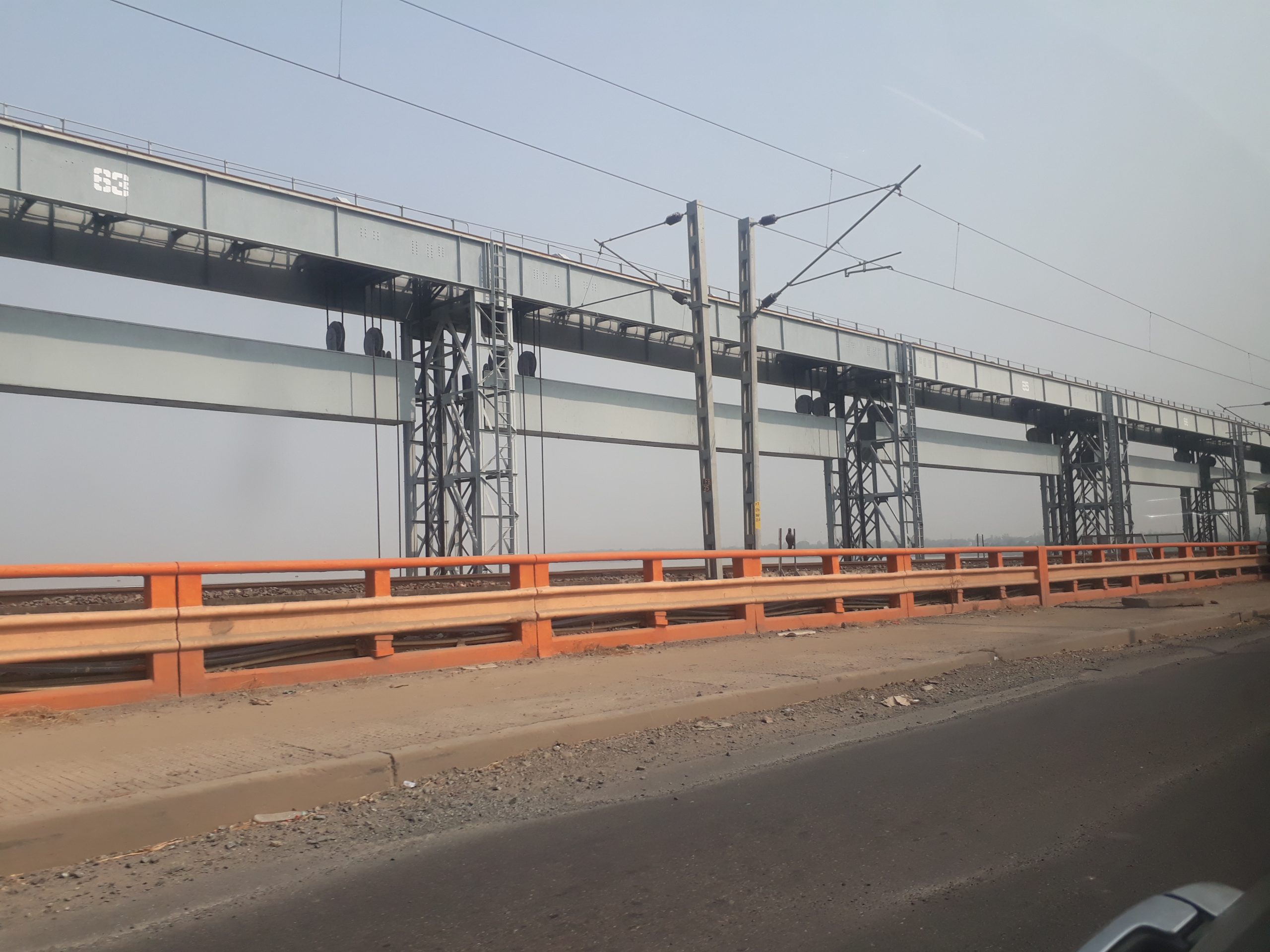
Image: Farakka Barrage, West Bengal. Photo by Pinakpani via Wikimedia Commons, licensed under CC BY-SA 4.0.
Infoflick News Desk | November 22, 2026