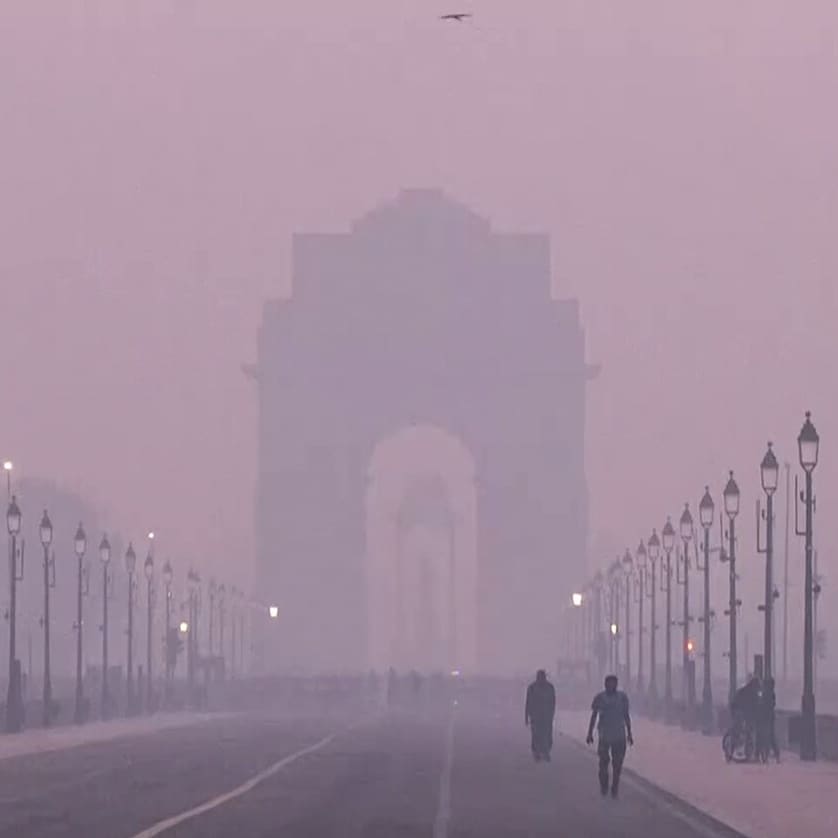
NEW DELHI, November 21, 2026: Air quality in the national capital remained in the poor category on Saturday morning, with Delhi recording an overall Air Quality Index (AQI) of 279 at 7 am, according to data cited from the Central Pollution Control Board (CPCB).
Several locations recorded very poor air
While the citywide figure remained below 300, a number of monitoring stations reported readings in the very poor category. The Indian Express reported readings of 369 at AIIMS, 365 at Chandni Chowk, 332 at Wazirpur and 327 at Anand Vihar.
These station-level readings show why a citywide average may not reflect conditions in every neighbourhood. Pollution levels can vary by location and time of day depending on traffic, local emissions, weather and other factors.
What do the AQI categories mean?
India’s National Air Quality Index classifies air quality into categories ranging from good to severe. The poor category indicates that prolonged exposure may cause breathing discomfort to most people, while very poor air can cause respiratory illness on prolonged exposure, including among otherwise healthy people.
Practical precautions
People with asthma, chronic respiratory conditions, heart disease, older adults and children should pay attention to local air-quality readings and follow advice from health professionals. On days with elevated pollution, residents can reduce strenuous outdoor activity, particularly near busy roads, and use well-fitting particulate-filtering masks when exposure cannot be avoided.
Indoor air quality also matters. Keep windows closed during periods of heavy outdoor pollution where practical, reduce indoor smoke and dust, and use an appropriately sized air purifier if available. Anyone experiencing significant breathing difficulty or chest discomfort should seek medical care.
Why monitoring matters
Air quality can change through the day. Residents should check current CPCB or official AQI dashboards for their specific area rather than relying only on an earlier citywide reading. Authorities have also been asked to strengthen dust-control measures and mechanised sweeping in response to persistent pollution.
The AQI figures in this article are a snapshot reported for 7 am on November 21, 2026, not a live reading. Update with the latest official CPCB data before publication if the story is posted later.