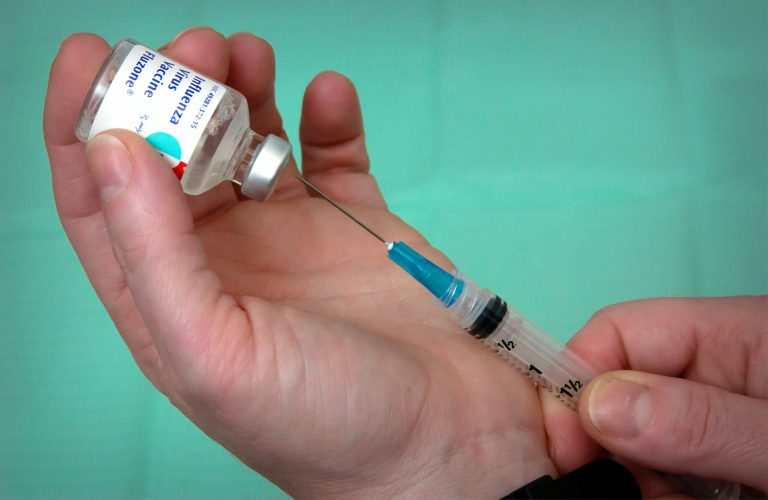
BHOPAL, November 21, 2026: India has dedicated its first indigenous vaccine for chickens against Avian Influenza H5N1, commonly known as bird flu, in a development aimed at strengthening the country’s poultry-health preparedness.
Union Agriculture and Farmers’ Welfare Minister Shivraj Singh Chouhan dedicated the vaccine to the nation at an event in Bhopal on November 20, according to the Ministry of Agriculture and Farmers’ Welfare.
Why an H5N1 vaccine matters
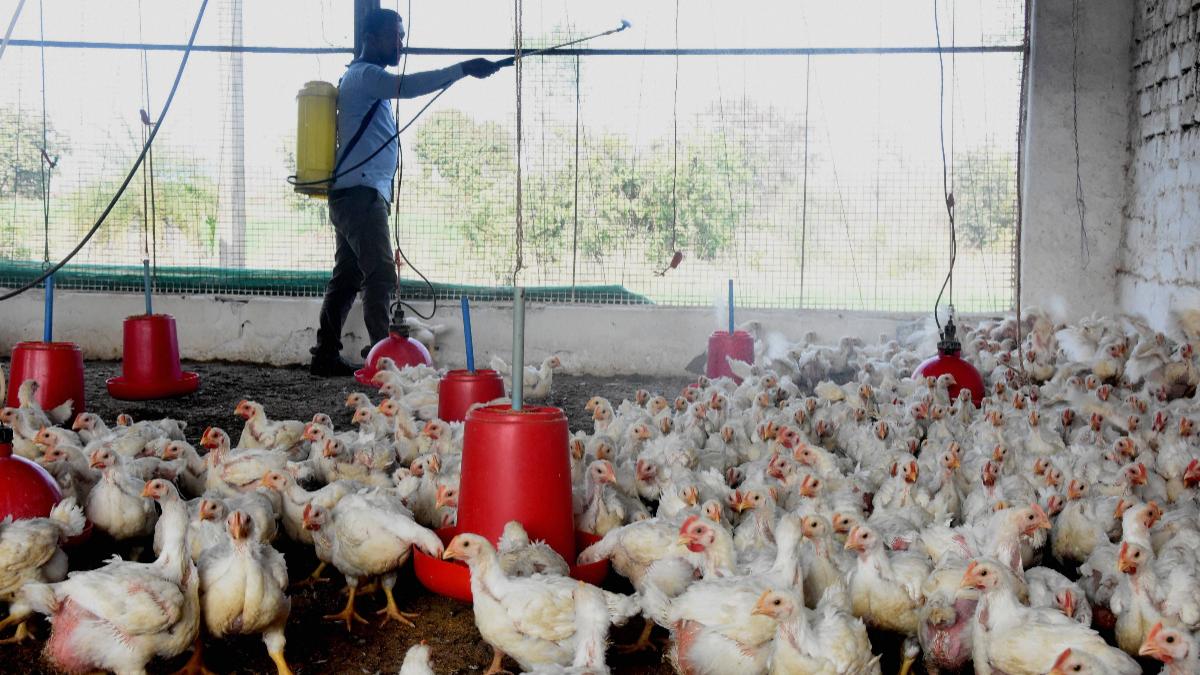
Highly pathogenic avian influenza can cause severe disease and substantial losses in poultry flocks. Outbreaks can disrupt poultry production, affect farmers’ incomes and require extensive surveillance and disease-control measures. A domestically developed vaccine could add another tool to India’s animal-health response, subject to the applicable veterinary protocols and regulatory guidance.
What the government announced
The ministry described the vaccine as India’s first indigenous chicken vaccine against H5N1. The government said the vaccine is expected to be available at an indicative cost of around ₹1–₹2 per dose, as stated at the launch event. The announcement also included a plan for a ₹300-crore animal disease research laboratory in Bhopal.
The development was presented as a contribution to scientific self-reliance and support for poultry farmers. Details such as the approved vaccination schedule, eligible bird populations, deployment timeline and supply arrangements should be confirmed through veterinary authorities and official technical guidance.
What poultry farmers should know
Farmers should not independently change vaccination programmes or treat the announcement as an instruction to administer a vaccine immediately. They should consult local veterinary officers, animal husbandry departments and authorised suppliers for information on availability, approvals, dosage and use.
Biosecurity remains essential. Poultry farms should maintain hygiene, restrict unnecessary visitors, monitor bird health, report unusual illness or mortality promptly and follow official instructions during suspected outbreaks.
A step in domestic animal-health research
The vaccine announcement highlights the role of Indian research institutions in developing tools for livestock and poultry health. Its real-world impact will depend on quality-controlled production, distribution, field use and continued disease surveillance.