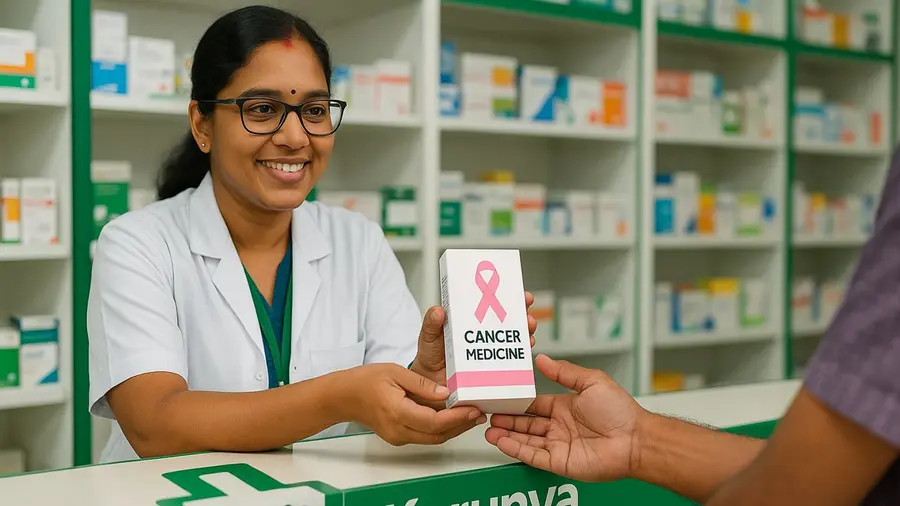
Patients and families facing cancer-treatment costs may get relief after India’s National Pharmaceutical Pricing Authority (NPPA) notified a trade-margin rationalisation measure covering 137 identified non-scheduled anti-cancer drugs. The Department of Pharmaceuticals said revised prices are expected to become effective on November 9, 2026, and the measure could bring maximum retail prices down by up to 70%, depending on existing price structures.
What has the government announced?
The NPPA action invokes Paragraph 19 of the Drugs (Prices Control) Order, 2013, which allows the government to intervene in the public interest. The policy caps trade margins at 30% for the identified medicines, with the stated goal of addressing excessive mark-ups and making cancer medicines more affordable.
The measure applies to 137 identified non-scheduled anti-cancer drugs. Officials have said patented medicines are included in the list, making the order relevant to some high-cost treatments as well as other cancer medicines. The exact price impact will differ by product and brand; a maximum possible reduction does not mean every medicine will fall by 70%.
When will the new prices begin?
The revised prices are scheduled to take effect from November 9, 2026. Patients should ask their hospital pharmacy or registered chemist about the revised MRP after that date and compare it with the product’s printed price and the official notified list. Availability, dosage and brand may differ, so patients should not change medication based on a price announcement alone.
Why regulate trade margins?
Trade margins represent the amount added along the distribution chain between the first point of sale and the final consumer price. The government says the measure is intended to curb excessive margins that can increase patient costs. It builds on an earlier 2019 pilot involving anti-cancer medicines, which the government says led to substantial reductions for many brands.
What should patients do?
Patients should continue treatment according to their oncologist’s advice, retain bills and prescriptions, and request an itemised explanation if a pharmacy price appears inconsistent with the updated MRP. They can check information through the NPPA and Department of Pharmaceuticals. Anyone experiencing difficulty accessing a prescribed medicine should speak with their treating team or hospital pharmacist rather than substituting products on their own.
Frequently asked questions
How many drugs are covered?
The notification covers 137 identified non-scheduled anti-cancer drugs.
When do the revised prices take effect?
The effective date announced by the government is November 9, 2026.
Will every medicine become 70% cheaper?
No. The government describes reductions of up to 70%, depending on the existing price structure of each medicine.
Which details should be checked in the notification?
The official list matters because a broad policy headline does not identify every formulation, pack size or brand price. Pharmacists and hospitals should use the applicable notified price information, while manufacturers and distributors are responsible for following the revised requirements. Patients can ask their provider to explain any difference between a quoted treatment cost and the updated medicine price.
The policy addresses the distribution margin for specified medicines; it does not mean that every part of a cancer-treatment bill—such as diagnostics, hospital charges, administration or supportive care—will automatically fall by the same percentage. The actual savings depend on which medicines a treatment plan uses and their previous price structure. Families should discuss the full care plan with their oncology team and check reliable official updates before budgeting.
Official sources: Department of Pharmaceuticals press release dated October 17, 2026, and NPPA notification under Paragraph 19 of DPCO, 2013.