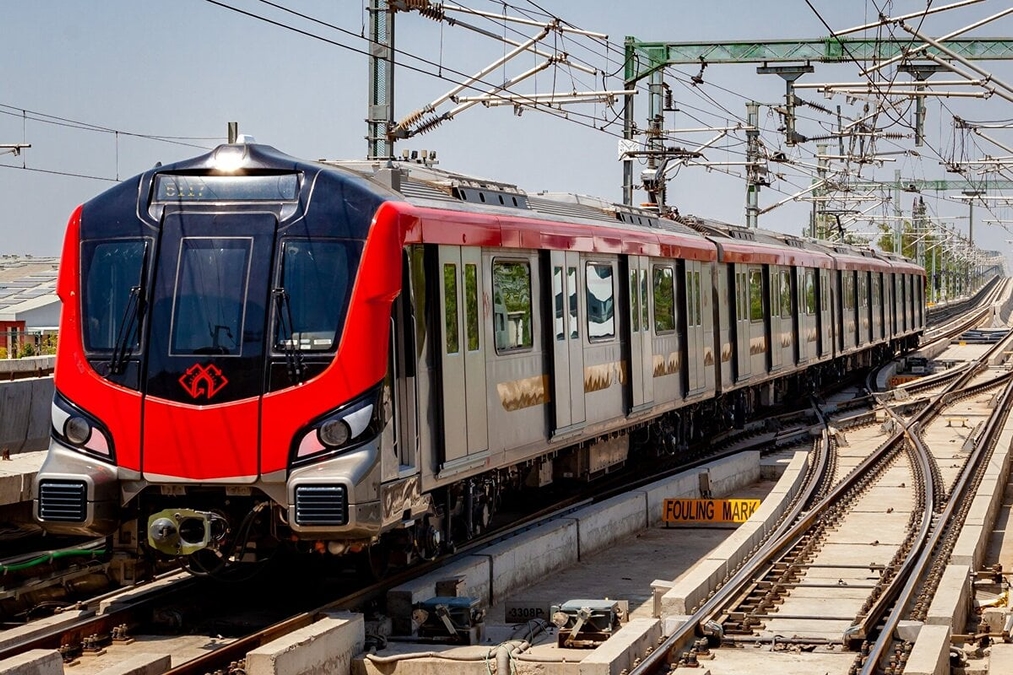
NEW DELHI, November 21, 2026: The Goods and Services Tax Network (GSTN) has added metro rail as a transport option in the e-way bill system, expanding the list of modes that businesses can select when documenting the movement of goods.
Five transport modes now available
With the addition of metro rail, the e-way bill system recognises five modes of transport: road, rail, air, ship and metro rail. GSTN manages the technology platform supporting the Goods and Services Tax system.
The new option follows a government notification dated October 26, 2026. GSTN said the facility is available to web users for generating e-way bills and updating transport details. The option can also be used for vehicle updates and for generating or regenerating consolidated e-way bills.
What should transporters enter?
Users moving goods by metro rail must select metro rail as the transport mode and enter the required transport document number. Businesses using software integrations should review their systems so the new mode is handled correctly.
What about API users?
GSTN has released the feature in its sandbox environment for API users to test and make the necessary software changes. The live API rollout will be announced separately, according to the advisory. Businesses that connect directly to the GST portal through accounting, logistics or enterprise software should complete testing before the production rollout.
Does the e-way bill threshold change?
No change to the general threshold was announced with this update. Under GST rules, an e-way bill is generally required for movement of goods valued above ₹50,000, subject to applicable exceptions and rules. The new update concerns the transport-mode selection rather than a new tax rate or a change to the threshold.
What businesses should do
Transporters and taxpayers using metro rail for eligible goods movement should check the GSTN portal guidance, update internal documentation and confirm that the transport document number is correctly entered. API users should test the feature in the sandbox before relying on it in live systems.