Electric cars remained a major talking point in India during September 2026, with reported registrations showing strong year-on-year growth and more competition between established manufacturers and newer entrants. For buyers, this means more models to compare—but also a greater need to check charging access, variant details and the economics of ownership.
A September EV sales report reported 36,108 electric passenger vehicles and year-on-year growth of roughly 95%, with Tata Motors at the top of the manufacturer table and Mahindra in second place. These are figures from that report’s data set, not a universal measure of all possible sales channels. Readers should check the article’s registration/retail methodology before comparing it with dispatch data.
What is driving electric-car interest?
Buyers are comparing more body styles and price points than before, including city-focused electric hatchbacks, compact SUVs and larger family vehicles. Fuel-cost concerns, home charging convenience and new product launches are contributing to consideration of EVs. Yet upfront cost, public charging availability and long-distance travel planning remain important constraints for many households.
Tata and Mahindra remain central to the conversation
Both brands have vehicles across multiple EV categories and can draw on existing automotive networks. Newer brands, meanwhile, compete on design, technology and product positioning. Monthly ranking changes do not tell the whole story: variants, fleet demand, launches and delivery capacity affect individual manufacturers’ totals.
What buyers should check before buying an EV
- Usable range: assess real-world range with air-conditioning, passengers and highway speeds, not just the headline test-cycle number.
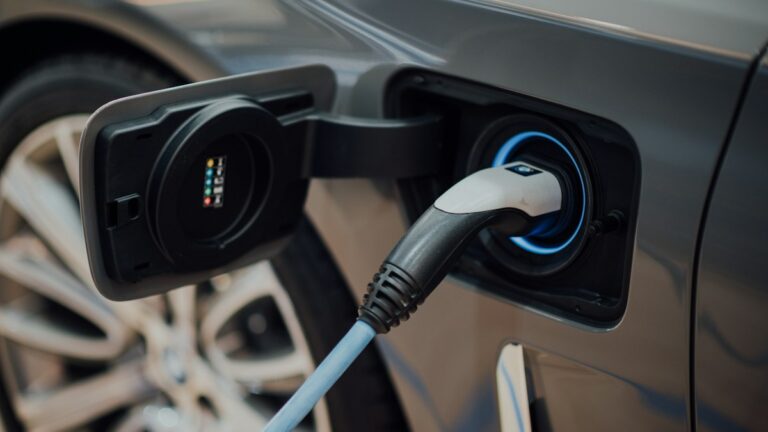
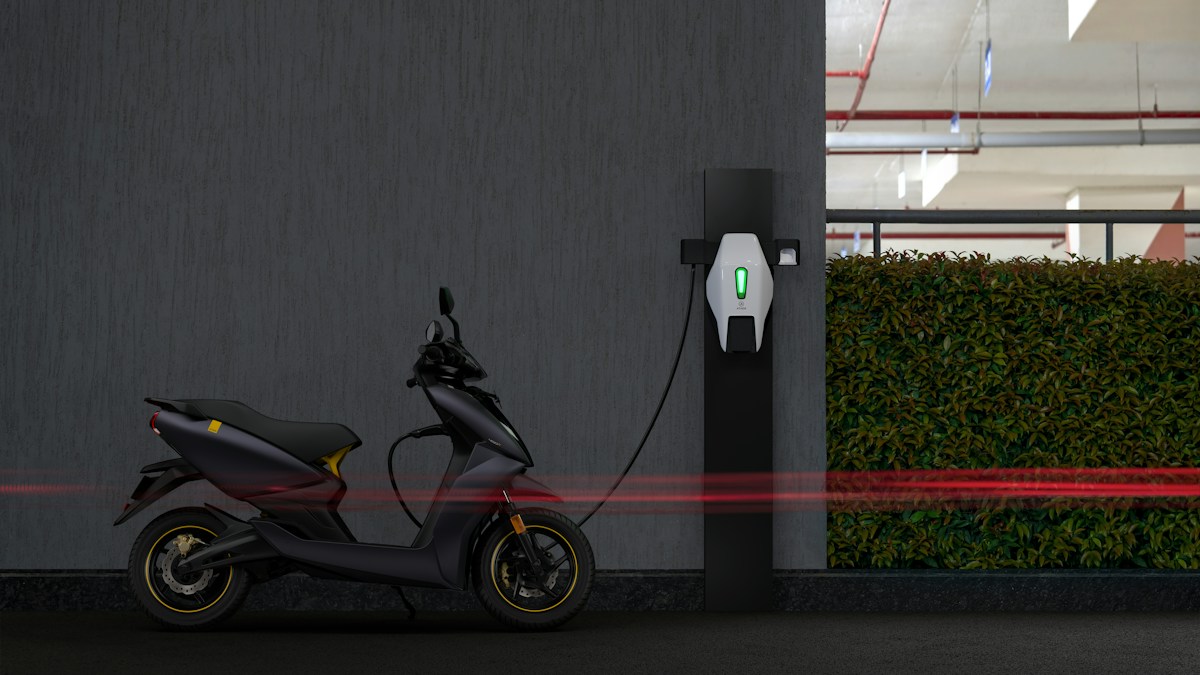
- Charging: confirm whether your home or apartment can support a charger and check reliable chargers along frequent routes.
- Battery warranty: read time, kilometre and coverage conditions carefully.
- Insurance and repairs: compare premiums, repair access and replacement-part lead times.
- Total cost: include financing, charging equipment, electricity, tyres and resale uncertainty.
Does EV sales growth mean an EV is right for everyone?
No. A high-mileage urban commuter with reliable home charging may calculate savings differently from someone who drives long inter-city routes and cannot charge overnight. Compare the total cost of ownership over the period you plan to keep the car.
Bottom line: September’s reported EV momentum signals a market worth watching, but buyers should decide based on charging convenience, actual range needs and the complete cost—not only a sales ranking.
Sales numbers are based on published industry reporting and should be refreshed if the underlying registration data is revised.