Updated: October 14, 2026. This explainer summarizes current market news and what readers should understand. Market information can change; check the original source and official announcements.
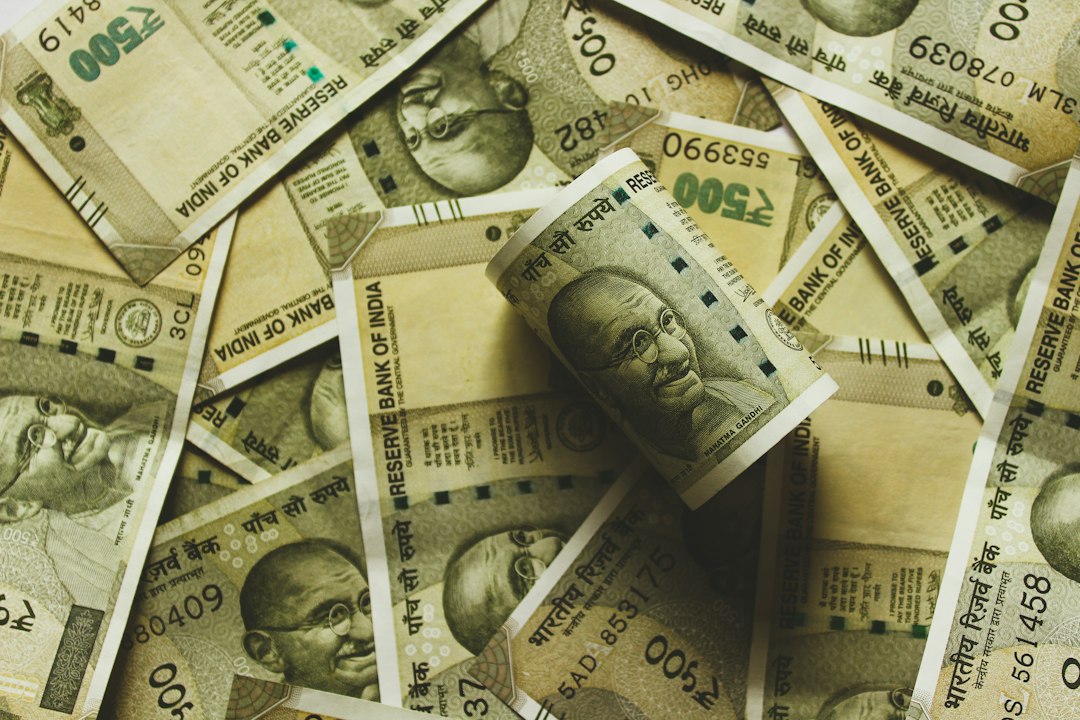
The Indian rupee strengthened in the latest reported session after the Reserve Bank of India introduced measures aimed at curbing speculative positions in currency markets, according to The Times of India on October 14, 2026. The report said the rupee rose 49 paise to ₹95.28 per US dollar on Tuesday.
Why does the rupee-dollar rate matter?
Currency movements affect the cost of imported goods and services, overseas education, international travel and repayments on some foreign-currency obligations. A weaker rupee can raise costs for importers, while exporters earning dollars may receive more rupees for the same dollar revenue. The actual effect depends on hedging, contracts and the business model.
What are RBI measures trying to achieve?
The reported measures are intended to limit speculative demand for dollars and reduce disruptive currency trading. Their longer-term impact will depend on market conditions, trade flows, capital movements and investor confidence.
Does one day’s rise mean the rupee will keep strengthening?
No. Exchange rates move in response to several factors, including crude prices, interest-rate differences, foreign investment, demand for imports and global risk sentiment. A one-day move does not provide a reliable forecast.
What should households and businesses do?
People with upcoming foreign-currency payments should compare legitimate conversion options and account for fees. Businesses with material foreign exchange exposure may review their risk-management and hedging arrangements with qualified advisers. Avoid making decisions based solely on a single headline or quoted rate.
Source: The Times of India, October 14, 2026. Exchange rates change throughout the day; check a live rate before transacting.