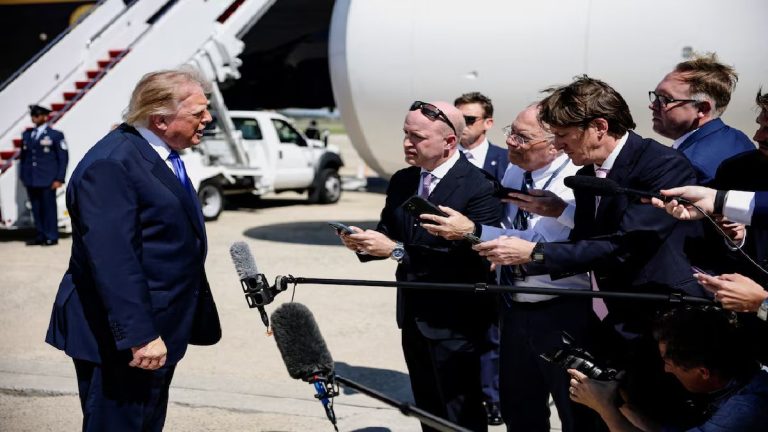
US Congressman Riley Moore has criticised the H-1B visa and Optional Practical Training (OPT) programmes, alleging that employers are using foreign workers from countries including India and China instead of hiring American computer-science graduates. The comments, reported on October 17, have added to a long-running debate over skilled immigration, wages and the technology sector’s demand for specialised talent.
What did the congressman claim?
Moore argued in a social media post accompanying a television interview that the programmes were not working as intended and were allowing companies to hire foreign workers at lower wages. He also claimed that the number of US computer-science graduates was high compared with the number of H-1B visa holders. These are the congressman’s assertions, not independently established proof that visa holders as a group are replacing graduates.
How the H-1B programme works
The H-1B visa allows eligible US employers to temporarily hire foreign workers in certain specialised occupations. Technology companies use the programme for roles that require skills in areas such as software engineering, data science, cybersecurity and advanced research. The programme has an annual cap for many applicants, although some employers and categories are exempt from the regular cap.
OPT is a separate route that allows eligible international students to gain practical work experience related to their studies. Certain science, technology, engineering and mathematics graduates may qualify for an extension. The programmes serve different purposes, and treating them as a single visa category can obscure how eligibility and employment rules differ.
Why the debate is contentious
Critics argue that employers can use visa pathways to suppress wages or reduce opportunities for local workers, particularly during periods of layoffs. Supporters say international hiring helps companies fill specialised roles, supports innovation and allows US firms to compete globally. The actual effect varies by occupation, employer, pay level and labour-market conditions.
Researchers and policymakers assess these questions using wage data, hiring patterns, employer filings and evidence about job openings. A comparison between the number of graduates and visa holders alone does not establish that one group directly replaces the other, because the figures may cover different time periods, occupations and employment situations.
What it means for Indian professionals
Indian nationals make up a substantial share of H-1B beneficiaries, so changes in policy can affect workers, families and employers connected to India. Applicants should rely on official US Citizenship and Immigration Services guidance for eligibility, filing requirements and any rule changes rather than social media commentary.
What comes next?
The remarks are part of a wider US political debate about immigration and domestic employment. Any formal policy change would require action through the relevant legislative or administrative process. Until then, Moore’s statement should be understood as a political claim, not a new rule or a final finding about the programme’s impact.
Reporting basis: Hindustan Times, October 17, 2026.