
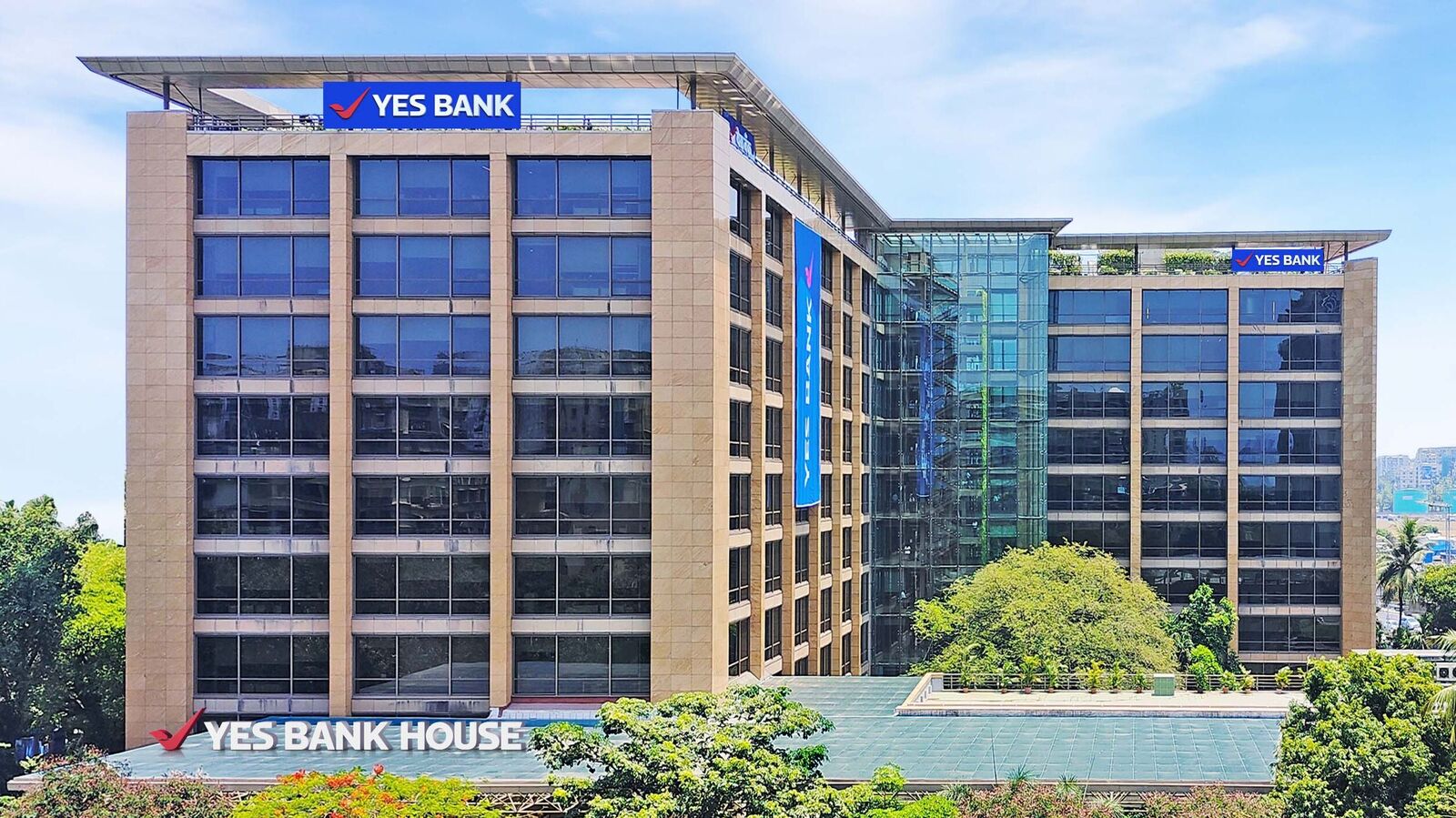
India’s Supreme Court has set aside Yes Bank’s 2020 write-off of Additional Tier-1 (AT-1) bonds worth about ₹8,415 crore, or roughly $884 million, marking a major development in one of the country’s most closely watched banking disputes.
The court rejected appeals by Yes Bank, the Reserve Bank of India and the Union government against a 2023 Bombay High Court ruling that invalidated the write-off. The decision is a relief for investors who challenged the cancellation of their bond holdings during the lender’s restructuring.
What are AT-1 bonds?
Additional Tier-1 bonds are regulatory capital instruments issued by banks. They can carry relatively high interest rates, but investors take substantial risks: under specified stress or capital-trigger conditions, the securities may be written down or converted into equity. They are not equivalent to fixed deposits and do not offer the same protections.
Why did Yes Bank write off the bonds?
During Yes Bank’s 2020 financial crisis and restructuring, the bank’s AT-1 instruments were written off as part of the effort to restore its capital position. Bondholders challenged the move, arguing that the action was legally impermissible and that the instruments had been marketed to investors despite their complex risks.
The Supreme Court’s decision upholds the Bombay High Court’s conclusion that the write-off could not stand. The ruling also raises broader questions about how banks and regulators handle loss-absorbing securities during a crisis and what procedures must be followed.
What does the verdict mean for investors?
The judgment is significant for affected bondholders, but the practical consequences—including how the securities will be reinstated and any payments or accounting adjustments—depend on the implementation of the court’s order and subsequent steps by the relevant parties.
Investors should avoid assuming immediate repayment or guaranteed returns without reviewing official disclosures and legal directions. AT-1 bonds remain complex, high-risk financial products, and this dispute highlights the importance of understanding the terms before investing.
Possible impact on Yes Bank
The ruling may affect the bank’s capital planning, reporting and treatment of the disputed instruments. Market participants will watch for official statements from Yes Bank and the banking regulator to understand how the judgment will be implemented.
Reporting note: This article reflects reports available on October 15, 2026. Readers should consult the court order and official bank disclosures for further developments.


Comments