Updated: 27 November 2026
Economists broadly expect the Reserve Bank of India (RBI) to raise its policy repo rate by another 25 basis points at its December meeting, as retail inflation has moved above the central bank’s upper tolerance limit. The decision is not yet known: the six-member Monetary Policy Committee (MPC) will meet from December 2 to 4, and the final call will depend on incoming data and the RBI’s assessment of growth and price pressures.
A Reuters poll conducted between November 13 and 20 found that 56 of 61 economists expected a quarter-point increase, which would take the repo rate from 5.50% to 5.75%. Three expected no change and two forecast a larger 50-basis-point move.
Why another rate increase is being discussed
India’s retail inflation rose to 6.09% in October 2026, up from 5.54% in September, according to the Ministry of Statistics and Programme Implementation. Food inflation reached 8.94%. The combined CPI reading moved above the RBI’s 6% upper tolerance limit for the first time in two years under the current series.
The RBI raised the repo rate by 25 basis points to 5.50% in October and shifted its policy stance to calibrated tightening. The December meeting is therefore being watched as the next test of how the central bank balances persistent price pressure against economic growth.
What economists are forecasting
The Reuters survey found that more than 90% of respondents expected a 25-basis-point increase in December. A majority of the economists who answered the separate February question also expected a further move to 6% at the next policy meeting in February 2027. These are survey expectations, not RBI guidance or a confirmed policy path.
Financial Express reported that economists at ICRA and JM Financial also expected a 25-basis-point increase, citing inflation above the tolerance ceiling and continuing weather-related risks. The pace of crude-oil prices, food supply conditions and the persistence of El Niño-related effects could influence later decisions.
What a repo-rate hike could mean for borrowers
The repo rate is the rate at which the RBI lends short-term funds to banks. A change can influence banks’ funding costs and lending rates, but it does not mean every borrower’s EMI will change on the same day. The impact depends on the loan’s benchmark, reset schedule, lender policy and whether the borrowing is fixed-rate or floating-rate.
Depositors may also see changes in bank deposit rates, although banks do not necessarily pass policy changes through immediately or by the same amount. Anyone reviewing a loan or deposit should check the terms with their own bank rather than assume a uniform change.
What could still change the RBI’s decision?
Food prices, global energy costs, the rupee, rainfall conditions and the growth outlook will all matter. The RBI’s October decision showed that the committee is prepared to tighten policy when inflation risks rise, but the central bank has not committed to a fixed sequence of increases.
The official RBI calendar lists the December MPC meeting for December 2, 3 and 4. The policy statement and the Governor’s communication will provide the clearest indication of how the committee sees the next phase.
For related currency context, see Infoflick’s report on the rupee’s recent movement against the US dollar.
Sources and official documents
- Reserve Bank of India: official monetary-policy calendar for 2026–27
- MoSPI: October 2026 Consumer Price Index press release
- Reuters: November economists’ poll on the RBI’s next rate decision
- Financial Express: ICRA and JM Financial expectations for the December MPC
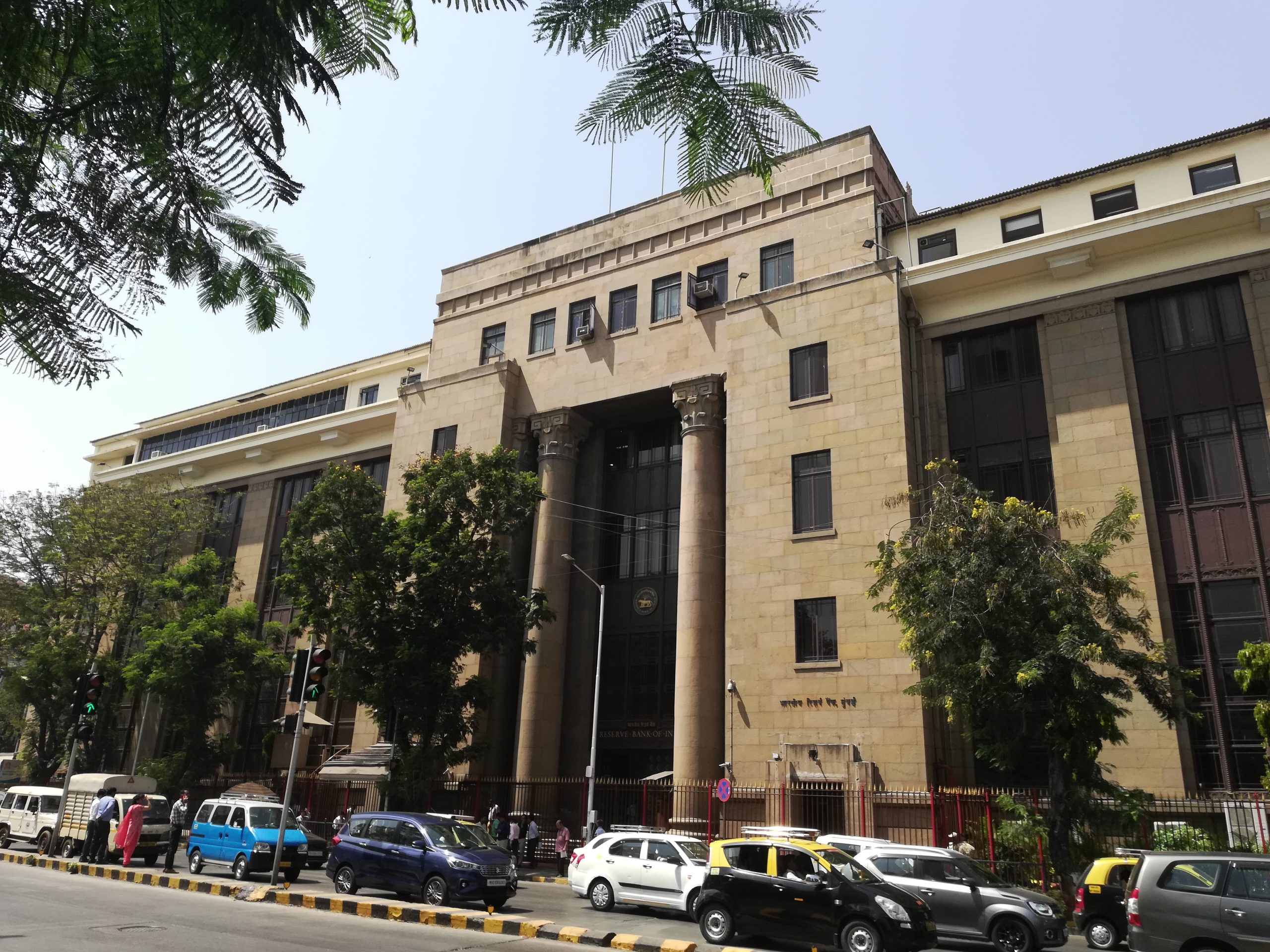
Featured image credit: Photo by Anurag Vijay 03, Wikimedia Commons, licensed under CC BY-SA 4.0.