The Union Cabinet has approved an ₹11,000-crore, eight-year programme to expand domestic manufacturing of construction and infrastructure equipment, a sector where India still relies heavily on imported machinery. The Scheme for Enhancement of Construction and Infrastructure Equipment (CIE) Manufacturing Ecosystem was cleared on November 25, 2026, and will be implemented by the Ministry of Heavy Industries.
How the eight-year scheme is structured
The programme begins in financial year 2026–27 and runs through 2033–34. It provides a two-year period for manufacturers to establish or expand facilities, followed by five years of sales-linked incentive disbursement from FY2028–29 to FY2032–33. The final year is reserved for settling incentives linked to the last sales period.
Eligible original equipment manufacturers and component makers can receive graded incentives ranging from 8% to 13% on incremental sales. The scheme also provides support of up to ₹375 crore for a dedicated testing facility, intended to help equipment made in India undergo validation and certification.
Which machines and components are covered?
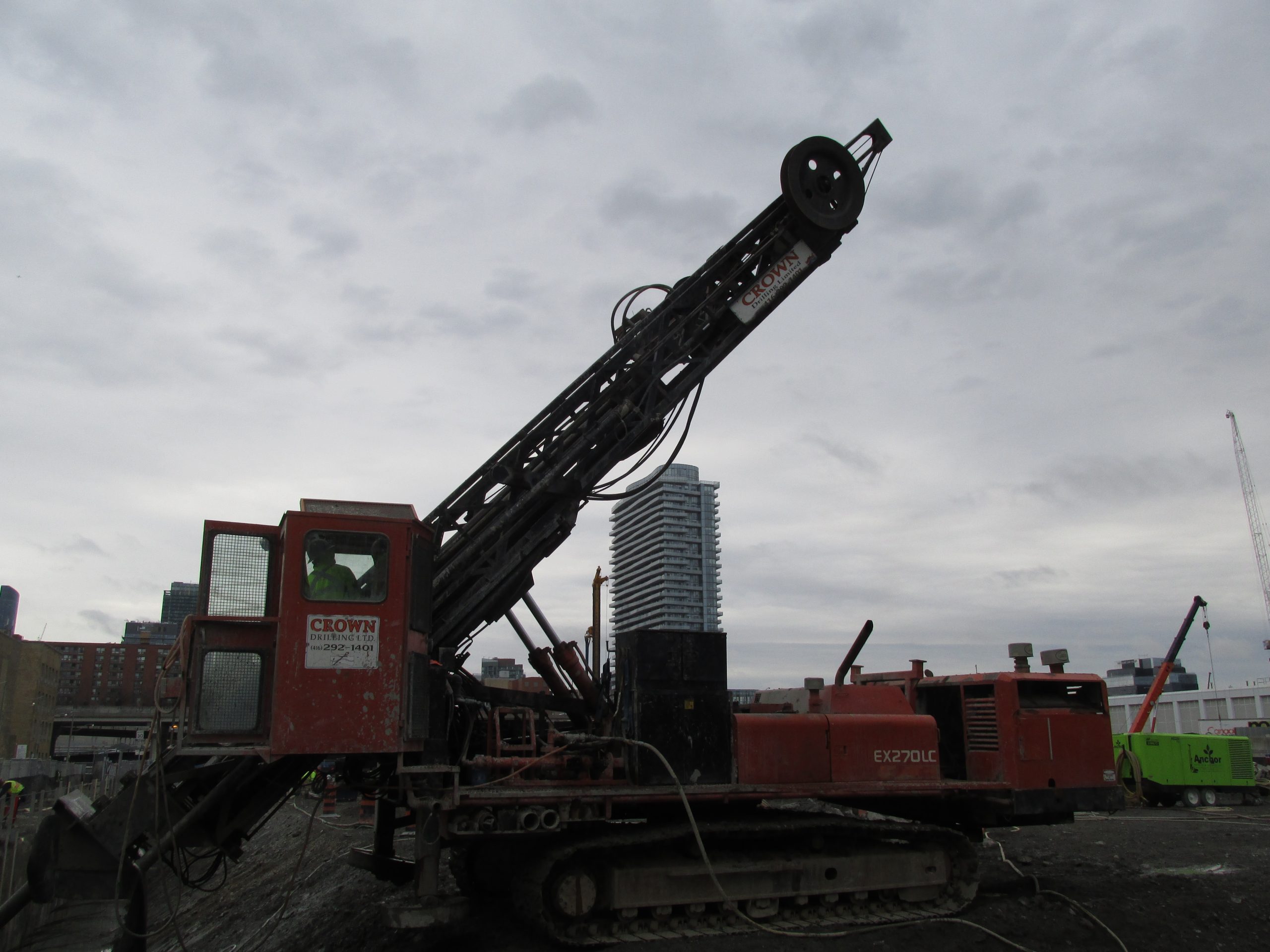
The scheme focuses on equipment that is fully or largely imported. The covered categories include tunnel-boring machines, hydraulic excavators, cranes, off-highway trucks, loaders, piling rigs and drilling machines. Critical components such as engines, transmissions, hydraulic systems, undercarriages and drive systems are also included.
The government has described the initiative as a way to strengthen domestic supply chains and build a more competitive manufacturing base. The construction and infrastructure equipment market was valued at about ₹97,500 crore in FY2024–25. The government projects it could more than double to ₹2.28 lakh crore by FY2029–30; imports currently meet roughly 45% of demand, according to official and Reuters reporting.
Why import dependence has become a concern
Tunnel-boring machines and other heavy equipment are essential for metro rail, road, port and urban infrastructure projects. China is an important supplier, and export controls on tunnel-boring machinery that took effect on November 18 have added urgency to India’s effort to develop local capacity.
The government expects the scheme to attract about ₹21,000 crore in investment and support import substitution worth roughly ₹22,500 crore. These are projections, not guaranteed outcomes; the impact will depend on how quickly companies establish production lines, qualify equipment and secure orders.
What manufacturers and buyers should watch
The first test will be the detailed eligibility and application rules issued by the Ministry of Heavy Industries. Manufacturers will need clarity on incremental-sales calculations, domestic value addition, testing standards and the process for claiming incentives. Infrastructure developers may benefit over time if more locally made equipment becomes available, but the scheme will not remove import dependence overnight.
Infoflick has also covered India’s expanding research and innovation infrastructure in its report on the IIT Patna AI centre and research park.
Sources and reporting
- Press Information Bureau: Cabinet approval of the CIE manufacturing ecosystem scheme, November 25, 2026
- PIB Cabinet Decisions document, November 25, 2026
- Reuters: Import dependence, equipment coverage and expected investment, November 25, 2026
- Business Standard: Incentive structure and testing facility, November 25, 2026