Electricity demand can rise during periods of high industrial activity, hot weather, festivals and changes in household consumption. For Gujarat, meeting demand reliably depends not only on generation but also on transmission capacity, distribution networks and coordination between grid operators and power suppliers.
Why transmission infrastructure matters
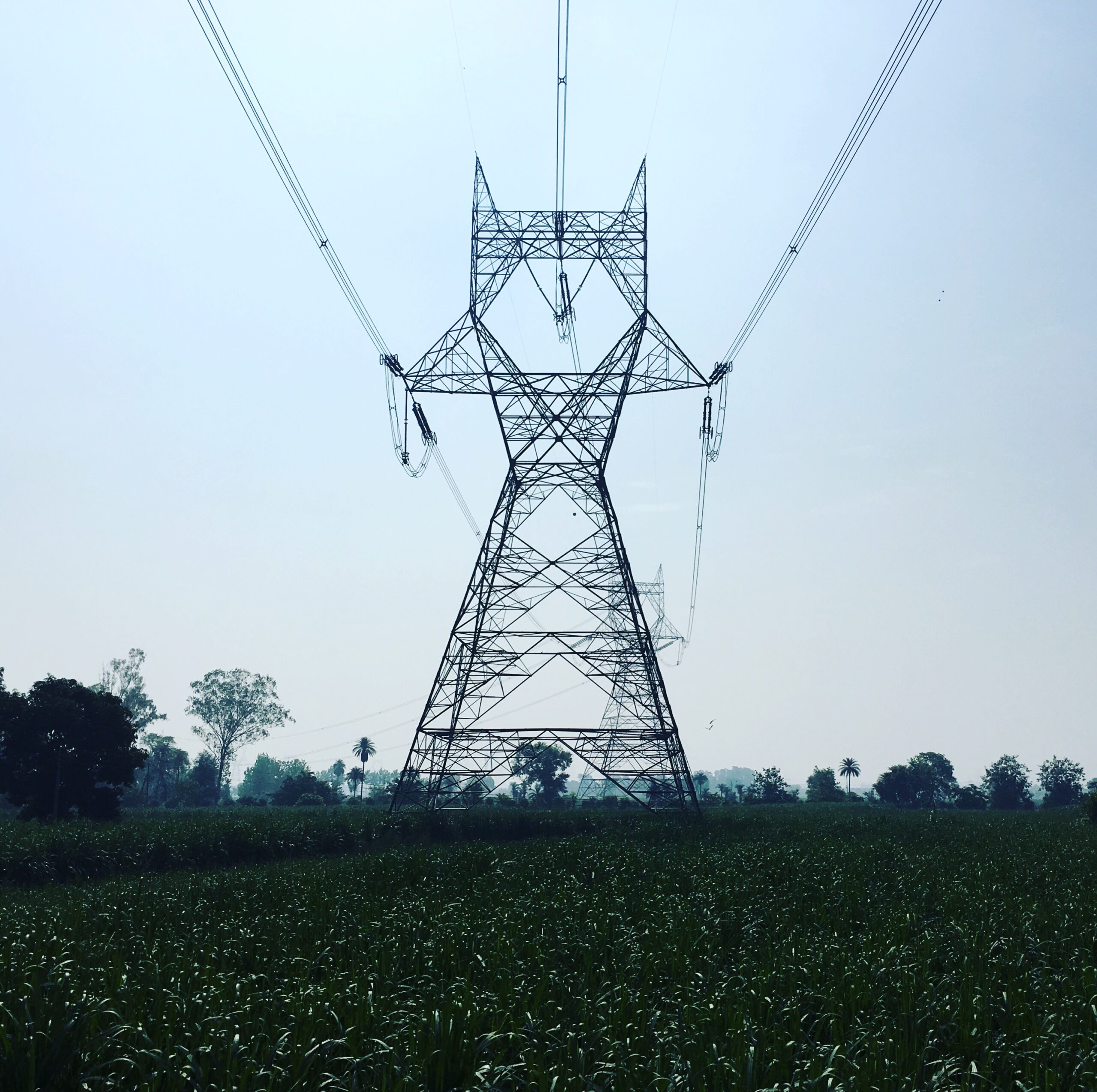
High-voltage transmission lines move electricity from generation centres to demand areas. When transmission capacity is constrained, available power may not always reach the places that need it most efficiently. Grid upgrades can improve transfer capability, support reliability and help integrate renewable energy sources, although individual projects take time to plan and commission.
What to look for in demand data
Claims that electricity demand has reached a record should be checked against official load-dispatch data, including the date, time, unit of measurement and whether the figure refers to Gujarat alone or a wider region. Peak demand is different from total daily consumption. A one-hour peak should not be described as a full-day record.
What consumers should know
For households and businesses, reliable supply depends on multiple parts of the electricity system. Energy efficiency, planned maintenance and better forecasting can help manage pressure on the grid. Readers should look for updates from the relevant state electricity authorities and transmission operators for confirmed project details or supply advisories.
Image note: The featured photograph is an illustrative image of transmission infrastructure in India, not a photograph of a specific October 2026 demand event.
Reference: POWERGRID.