
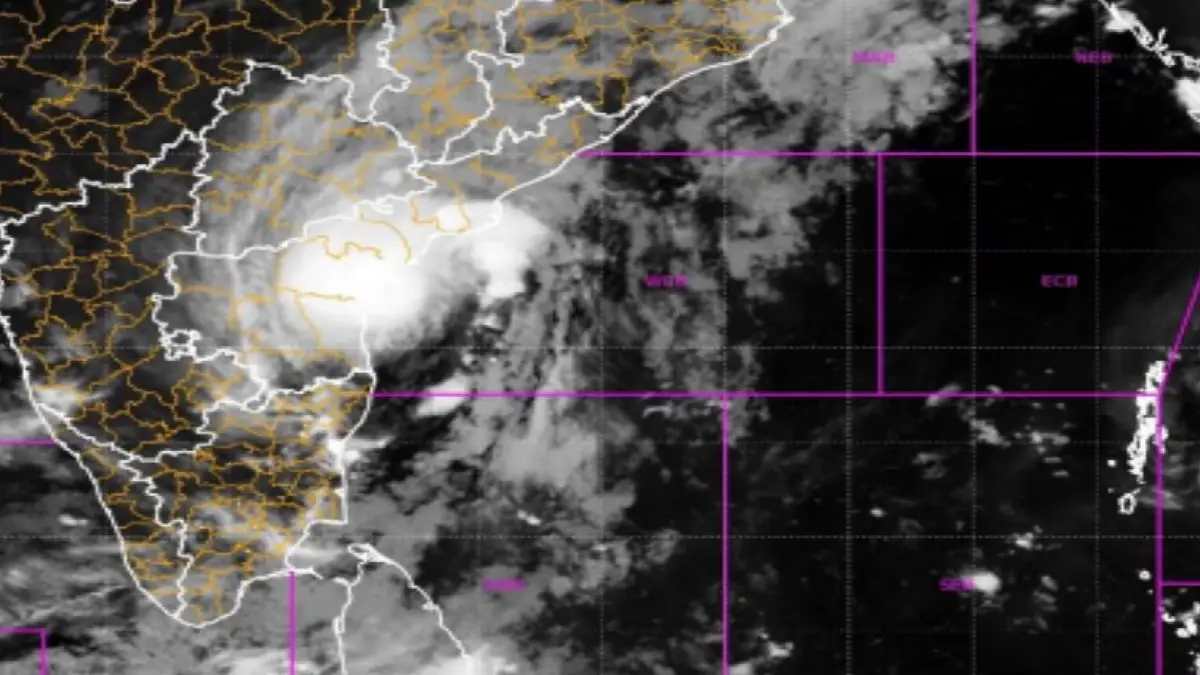
The impact of Cyclone Murasu is being felt across parts of eastern and southern India on November 3, with the India Meteorological Department warning of heavy rain, gusty winds and rough sea conditions in several states. Although the storm has crossed the south Andhra Pradesh coast, its rain bands and circulation can continue to affect inland districts and neighbouring regions as the system gradually weakens.
Which states are under weather watch?
Weather updates published on Tuesday point to heavy rainfall risks in parts of Andhra Pradesh, Telangana, Tamil Nadu, Odisha and Chhattisgarh. The intensity and timing of rain can vary from district to district, so residents should check the latest forecast issued for their specific location. Coastal belts may face strong winds and rough seas, while inland areas could see intense showers, local flooding and temporary disruption to road movement.
The IMD’s marine bulletin has described hazardous conditions over parts of the Bay of Bengal associated with the storm. Fishermen have been advised to remain ashore while warnings are active. People living near the coast should avoid beaches, fishing harbours and exposed waterfront areas until authorities declare them safe.
School and transport updates
Precautionary school closures have been reported in some districts affected by the forecast. In Andhra Pradesh, local announcements included closures in vulnerable districts such as Nellore and Prakasam. Some districts in Odisha also announced temporary closures. These decisions are made by district administrations according to local rainfall and wind forecasts; there may not be a single statewide order covering every school.
Parents and students should rely on official notices from district collectors, school managements and state education departments before travelling. Rail and flight operations may also change depending on weather and safety assessments. Passengers should check directly with the relevant transport operator before leaving home, particularly if travelling through coastal Andhra Pradesh or nearby regions.
Safety steps for households
Residents should secure loose outdoor objects, keep mobile phones charged and store drinking water, essential medicines and a torch in an accessible place. Avoid parking vehicles under trees or near unstable structures. During thunderstorms, stay indoors and keep away from windows. Do not shelter under trees, stand near power poles or touch electrical wires that have fallen to the ground.
Flooded roads can hide open drains, damaged surfaces and strong currents. Never attempt to drive or walk through moving floodwater. If water enters a building, move to a safer elevated area and follow directions from emergency personnel. People in low-lying settlements should be ready to move if evacuation instructions are issued.
Use verified updates
Weather conditions can change rapidly during and after a cyclone. Social media posts may contain old videos or incorrect location details. Check the IMD website, official state disaster management channels and district administration announcements for the latest information. The IMD’s official social media account also shares alerts, but residents should verify that a post is current and relevant to their district.
Even as Murasu weakens, heavy rain and localised flooding may continue. Residents should remain cautious until the official warning level is reduced and local authorities confirm that roads, schools and essential services are operating normally.
Sources: Economic Times; India Today live updates; IMD on X.


Comments