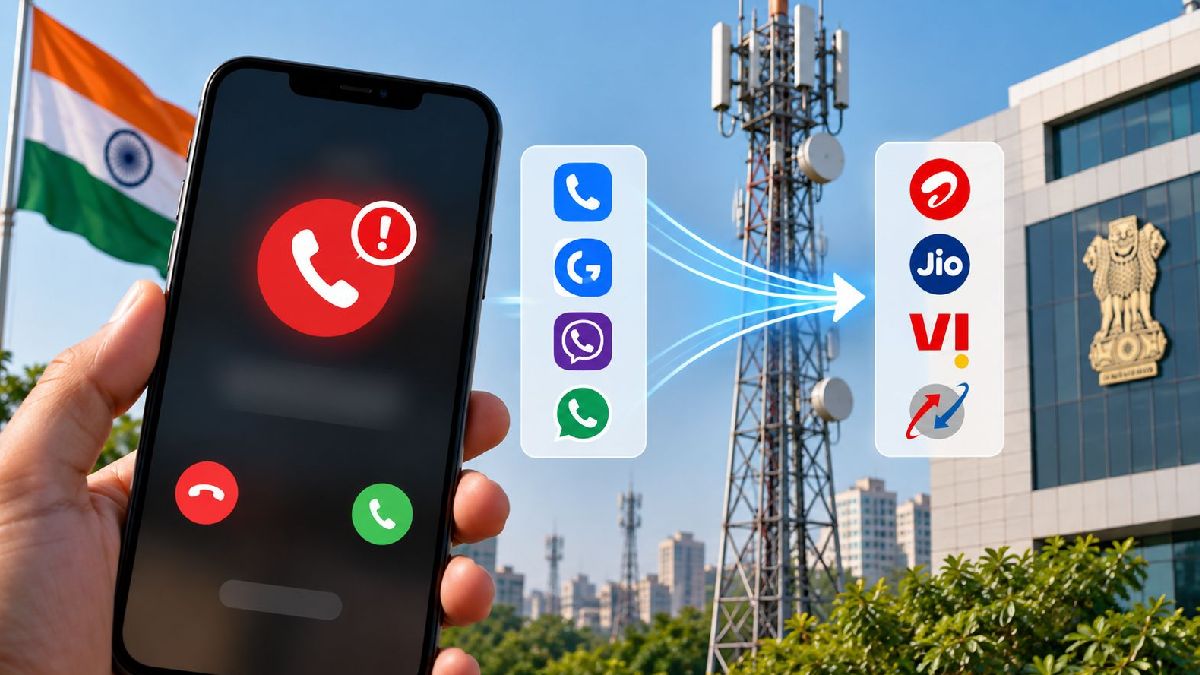
India is stepping up its fight against spam calls and unsolicited commercial communications, with telecom regulators pushing for greater cooperation between consumers, caller-identification services and telecom operators.
The Telecom Regulatory Authority of India (TRAI) has been working on measures to improve the detection, reporting and enforcement of spam calls and messages. Its recent regulatory proposals focus on making better use of consumer complaints and technology-driven spam detection to identify offenders.
More Focus on Sharing Spam Intelligence
TRAI’s 2026 regulatory initiatives include mechanisms for telecom operators to share intelligence about suspected spam sources and improve coordination across networks. The regulator has also directed access providers to strengthen AI and machine-learning-based systems for detecting unsolicited commercial communications.
This is significant because spam identification increasingly relies on information collected from users. Caller-ID and spam-protection services can use crowdsourced reports to identify numbers that are repeatedly flagged by consumers.
TRAI has previously acknowledged the role of third-party services such as Truecaller and other caller-identification platforms in identifying spam calls through crowdsourced information.
How Spam Reporting Works
Consumers in India can report unwanted commercial calls and messages through several channels, including the 1909 helpline, SMS, IVRS, web portals and approved mobile applications. TRAI says information from spam reports can help telecom operators identify spam trends and potential violations.
The regulator’s DND ecosystem also uses crowdsourced information to improve spam detection. TRAI’s DND app, for example, includes an intelligent spam-detection system and allows users to identify unsolicited calls and messages.
Why This Matters for Phone Users
The broader objective is to make spam reporting more useful for enforcement. Instead of individual users simply blocking unwanted numbers, reported information can contribute to identifying patterns and potential repeat offenders.
TRAI has already reported large-scale enforcement against unregistered telemarketers. During 2025, more than 17 lakh spam complaints were filed through the DND ecosystem, while over 7.3 lakh notices were issued to unregistered telemarketers.
The latest regulatory push therefore represents a broader effort to connect consumer reporting, technological spam detection and telecom-level enforcement.
However, the distinction between existing requirements, regulatory directions and proposals under consultation is important. Not every proposed 2026 measure should be described as a final mandate applicable to every third-party caller-ID application.