New Delhi, November 27, 2026: Svatantra Microfin has received observations from the Securities and Exchange Board of India (SEBI) for its proposed ₹3,000-crore initial public offering, moving the Ananya Birla-chaired lender a step closer to a public listing. SEBI’s November 27 processing-status update records the issue among filings for which observations have been issued.
The development is a procedural milestone, not a confirmation of the IPO’s opening date, price band or valuation. Those details have not been announced.
How the proposed ₹3,000-crore IPO is structured
The offer is planned in two equal parts: a fresh issue of shares worth up to ₹1,500 crore and an offer for sale (OFS) of up to ₹1,500 crore by existing shareholders. Svatantra Microfin says it intends to use the net proceeds from the fresh issue to strengthen its Tier-I capital base, supporting future capital needs and onward lending as the business expands.
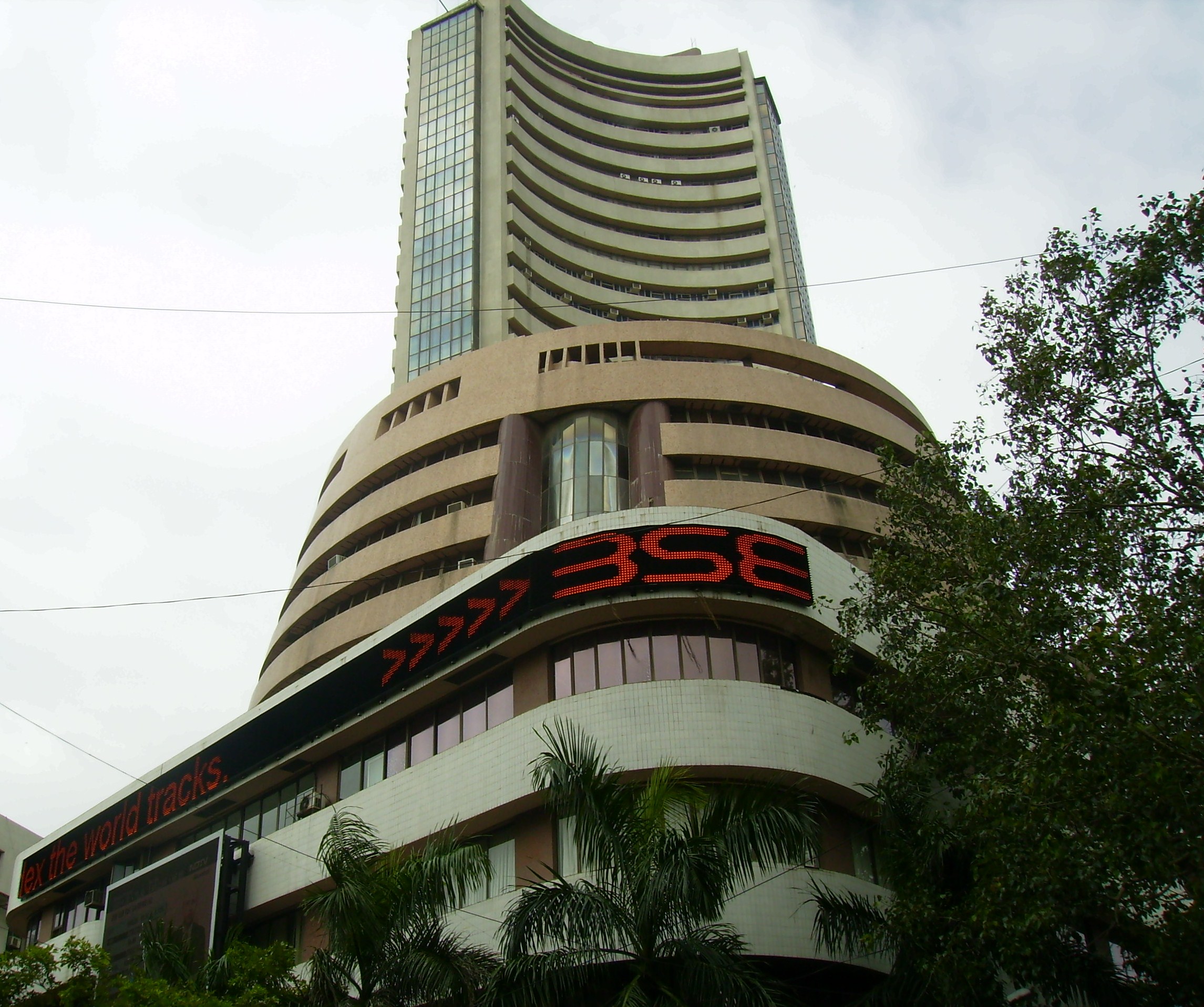
Money raised through the OFS will go to the shareholders selling their shares, rather than to the company. The proposed shares are to be listed on the BSE and the National Stock Exchange.
What the lender’s scale looks like
Svatantra Microfin ranked as India’s second-largest NBFC-microfinance institution by microfinance assets under management as of March 31, 2026, according to its draft offer documents. Its microfinance AUM rose from about ₹14,438 crore in March 2024 to ₹21,093 crore in March 2026, a reported two-year compound annual growth rate of 20.87%.
At the end of FY26, the company reported 2,123 branches across 20 states and 394 districts, serving approximately 42.7 lakh active microfinance borrowers. It reported a gross Stage 3 ratio of 1.19% for FY26, compared with 2.24% in FY25.
Risks investors should examine
Microfinance lending is exposed to household repayment capacity, local economic conditions, borrower indebtedness and collection disruptions. A lower reported Stage 3 ratio is one indicator, but it should be read alongside write-offs, credit costs, cash collections and the geographic mix of the loan book. Fortune India’s review of the draft filing noted that microfinance loan write-offs rose to ₹634.9 crore in FY26 from ₹472.4 crore in FY25.
Investors should read the full offer documents when available, including the risk factors, related-party disclosures, capital position and details of the selling shareholders. SEBI observations should not be treated as an endorsement of the company or its valuation.
What happens next?
The company and its bankers will need to complete the remaining offer preparations and make the required disclosures before the issue can open. As of November 27, no IPO opening date, price band or final issue timetable has been announced.
Related Infoflick coverage
For another look at capital raising in India’s digital-lending sector, read our report on Finnable’s ₹405-crore Series C funding round.