Carlsberg India’s proposed stock-market listing is drawing fresh attention after a Jefferies analysis highlighted strong growth in net revenue and profit, alongside concentration risks tied to a single brand and a handful of states. The analysis was reported by Financial Express on November 27, while the company’s public draft offer document sets out the proposed sale structure and several material risk factors.
The distinction matters for investors: the growth figures are attributed to Jefferies’ analysis, while the offer terms and risk disclosures come from Carlsberg India’s Updated Draft Red Herring Prospectus-I (UDRHP-I).
What is proposed in the Carlsberg India IPO?
The company’s official IPO documents page hosts the UDRHP-I dated October 27, 2026. The draft describes an offer for sale of up to 8,64,18,887 existing shares, representing about 15% of the company’s pre-offer equity, by promoter South Asian Breweries Pte. Ltd.
There is no fresh issue in the proposed structure. That means the sale proceeds, after applicable expenses and taxes, would go to the selling shareholder rather than being raised by Carlsberg India for its own balance sheet. The draft does not yet provide a final price band or offer timetable, so investors should not treat any reported valuation or possible issue date as confirmed.
What Jefferies’ analysis says about growth
Financial Express reported that Jefferies sees net revenue rising at a compound annual growth rate of about 15% between FY24 and FY26 to roughly ₹3,890 crore. The analysis put EBITDA and net profit growth at around 30% annually over the same period, reaching approximately ₹710 crore and ₹540 crore respectively, with an EBITDA margin of 18.1%.
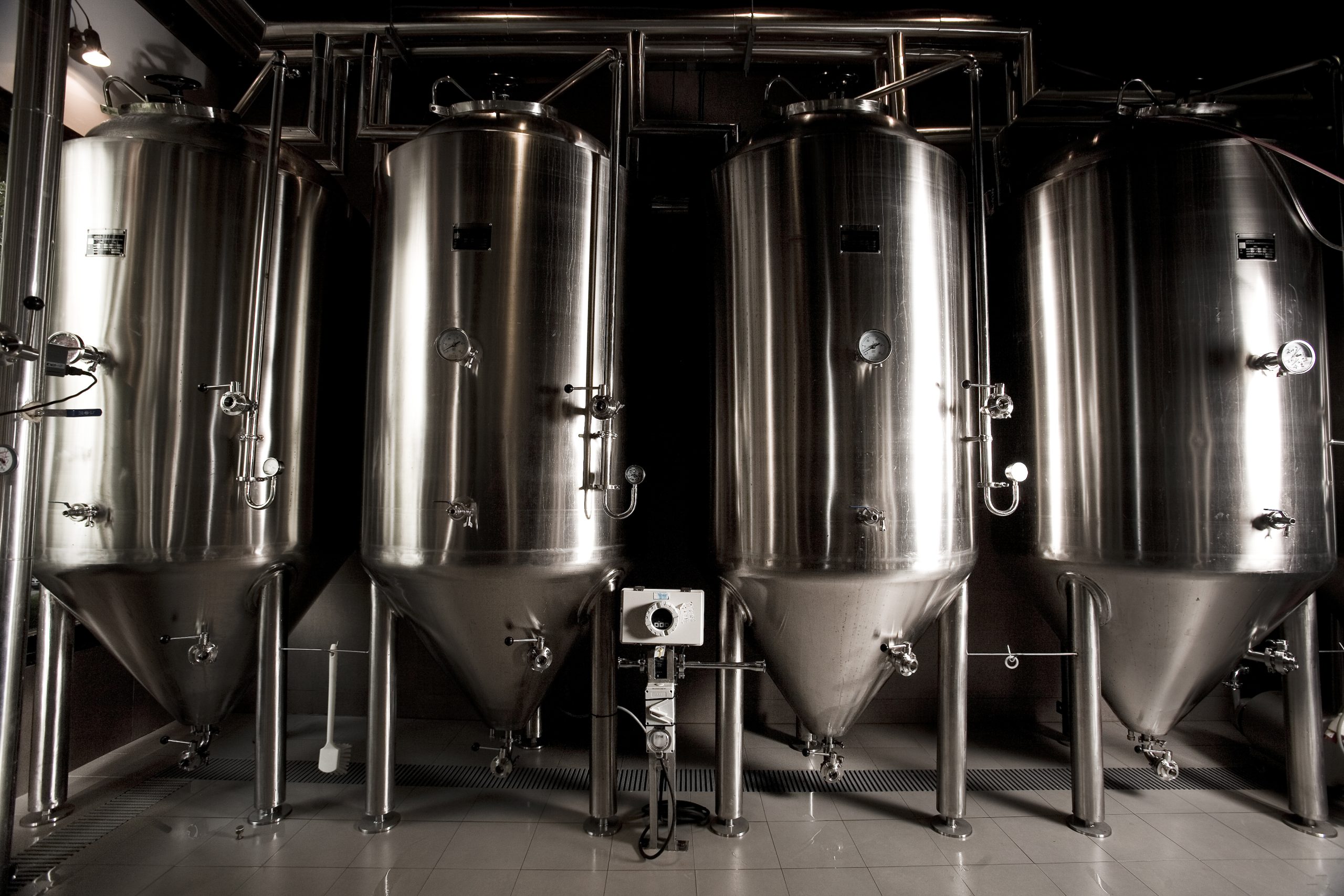
The brokerage also highlighted plans to expand owned brewing capacity from 5,461 thousand hectolitres to 7,861 thousand hectolitres, an increase of about 44%. These are figures and estimates reported from the Jefferies analysis; they should not be read as a promise of future earnings or returns.
Two concentration risks stand out in the draft
Dependence on Tuborg Strong
The UDRHP-I says Tuborg Strong accounted for 72.60% of Carlsberg India’s gross sales in FY26. This means the company’s performance is heavily exposed to demand, pricing, regulation and competition affecting one product variant. A change in consumer preference or a state-level policy decision could therefore have a disproportionate effect.
Revenue concentrated in seven states
The company’s draft says seven states — Maharashtra, Rajasthan, Karnataka, Uttar Pradesh, Haryana, West Bengal and Odisha — accounted for 91.34% of gross sales in FY26. That concentration makes state excise rules, licensing, distribution restrictions and pricing decisions important factors for the business.
Regulatory and operating issues investors should read
The prospectus also discloses regulatory matters, including an order concerning the company’s Alwar brewery and its efforts to challenge the action and obtain the required operating consent. Such disclosures are part of the risk section and should be read in full before an investor evaluates the offer. The company’s own filings, rather than social-media summaries, are the appropriate reference for the status of these proceedings.
What investors still do not know
The draft offer document does not set a final price band, issue dates or a confirmed valuation. The Jefferies analysis offers a view of operating performance and expansion, but it does not determine whether the eventual IPO price will be attractive. Investors will need to assess the final valuation, use of proceeds (which in this case is an offer for sale), state-level regulation, brand concentration and the company’s ability to execute capacity expansion.
For more on India’s primary markets, read Infoflick’s coverage of the PhonePe IPO preparations and the NSE’s corporate bond index futures approval.