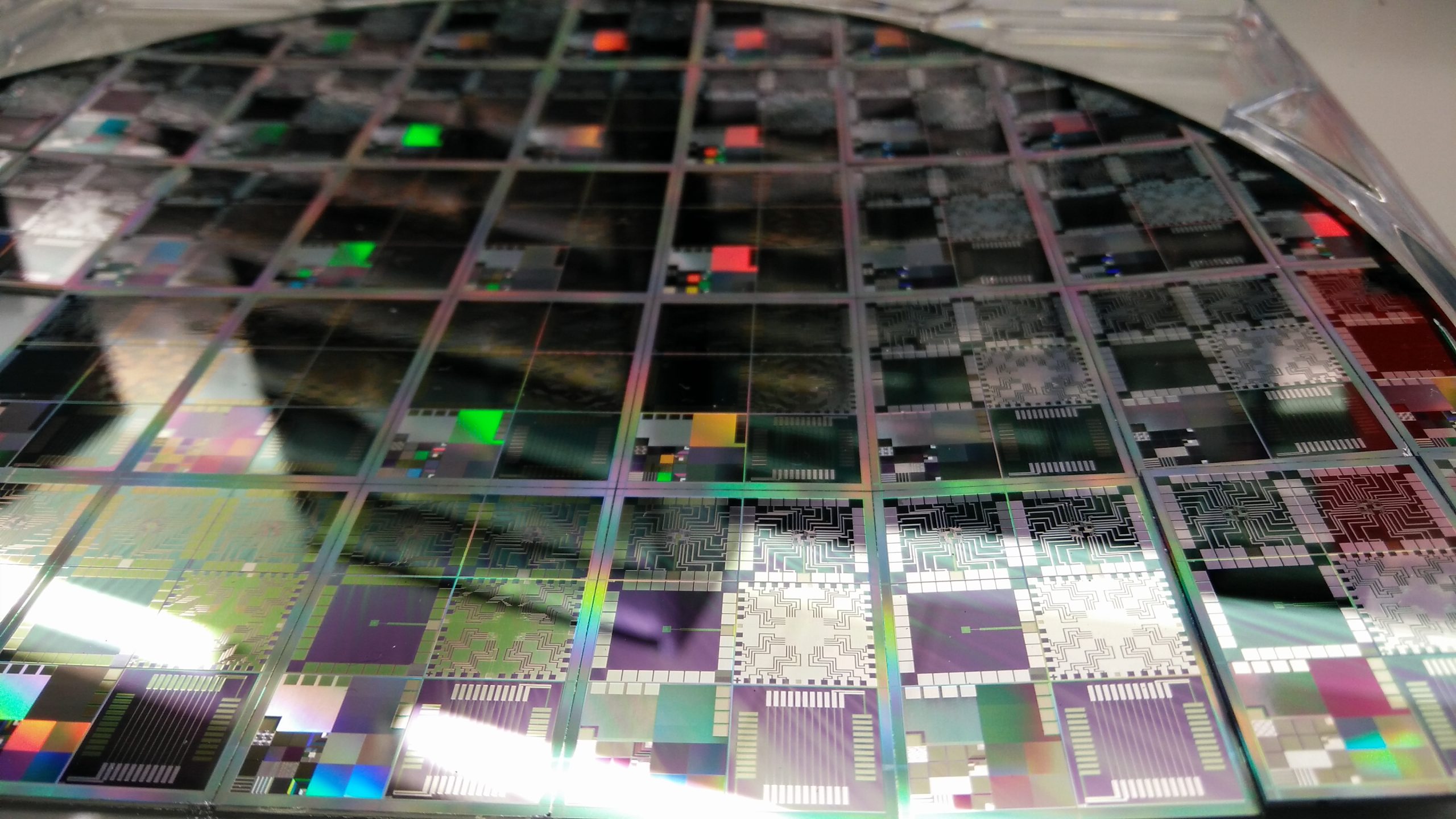
Bengaluru-based AGNIT Semiconductors says it is working on seven active pilot projects for gallium-nitride (GaN) chips and expects two or three of them to move towards volume production over the next few months. The update was shared by co-founder and chief executive Hareesh Chandrasekar in an interview with Business Standard published on November 26, 2026.
What AGNIT says is changing
Chandrasekar told Business Standard that some of the company’s pilots with organisations in the strategic sector are nearing completion. He expects a small number to progress into higher-volume production as customer validation advances. The company has not publicly named the customers or disclosed order quantities, so the pilot count and expected scale-up remain company-reported projections rather than independently confirmed commercial contracts.
AGNIT’s official product information describes it as a fab-lite GaN semiconductor company developing wafers, radio-frequency devices, components and modules for strategic and telecommunications applications. Its listed portfolio includes GaN wafers, RF devices and evaluation boards.
Why gallium nitride matters
Gallium nitride is a compound semiconductor used where devices need to handle high frequencies or power efficiently. Depending on the design, GaN components can support radio-frequency systems, telecom infrastructure, radar and other demanding applications. They are also used in power-conversion equipment where efficiency and compact size are important.
For India, building domestic capability in specialised semiconductor materials and devices could help strengthen supply options for strategic and telecom systems. It does not remove the country’s wider dependence on imported semiconductor equipment and components, but it adds another locally developed technology stream.
From lab validation to commercial production
In June 2026, The Economic Times reported that AGNIT had invested about ₹3 crore in a GaN testing and qualification laboratory at the Indian Institute of Science in Bengaluru. That report said the company was then running five customer pilot projects. The latest figure of seven active pilots comes from the CEO’s November interview, while the company’s website confirms its current product focus.
The next milestones to watch are completed customer qualification, disclosed commercial orders, production capacity and delivery schedules. Until those details are public, the expected scale-up should be treated as a forward-looking company estimate, not as confirmed mass production.
Infoflick has also reported on the expansion of India’s technology infrastructure, including the IIT Patna AI centre and research park and Airtel’s planned data centres in Assam.
Sources and reporting
- Business Standard: AGNIT’s seven active pilots and expected scale-up, November 26, 2026
- AGNIT Semiconductors: Official product and technology information
- The Economic Times: AGNIT’s IISc testing lab and earlier pilot-stage update, June 9, 2026
The seven-pilot figure and expected scale-up are attributed to the company’s CEO. No customer orders or production volumes have been independently confirmed in the cited material.