Updated: 27 November 2026
The Centre has estimated India’s kharif foodgrain production at 167.14 million tonnes for the 2026–27 crop year. The first advance estimate is 9.77 million tonnes above the average of the previous five years, but it is below the comparable estimate for last year as several major crops face weather-related pressure.
Agriculture Minister Shivraj Singh Chouhan released the preliminary figures on 26 November. He said the estimates reflect a difficult season marked by El Niño conditions, delayed monsoon rainfall and uneven moisture availability in some growing regions.
What the first estimate says about major crops
| Crop | 2026–27 estimate | Comparison reported for last year |
|---|---|---|
| Kharif rice | 121.91 million tonnes | About 2.3% lower than 124.75 million tonnes |
| Maize | 26.06 million tonnes | About 14.5% lower |
| Pulses | 7.13 million tonnes | About 6.2% lower |
| Oilseeds | 23.95 million tonnes | About 10.2% lower |
Rice remains the largest component of kharif foodgrain output. The estimate also puts coarse and nutritious cereals at about 38.11 million tonnes. Within oilseeds, soybean production is projected at 10.24 million tonnes, down from 12.59 million tonnes in the previous kharif season.
Weather remains a key risk
The Agriculture Ministry’s preliminary assessment points to delayed and deficient rainfall, El Niño conditions and soil-moisture stress in parts of Maharashtra, Karnataka, Telangana and Andhra Pradesh. These conditions can affect sowing decisions, crop development and yields, particularly for crops that depend on consistent rainfall.
The estimate is not a final harvest count. Advance estimates are revised as more field data and yield information become available. The final outcome will depend on crop condition, harvesting progress and subsequent revisions by the government.
Could the estimates affect food prices?
Lower projections for maize, pulses and oilseeds can matter for food processors, animal-feed users and import requirements. However, a production estimate alone does not determine retail prices. Stocks, market arrivals, imports, procurement, weather in the rabi season and government supply measures also influence prices.
The Agriculture Minister said rice and wheat stocks were comfortable and argued that the preliminary kharif figures should not trigger concern about foodgrain availability. Business Standard, meanwhile, noted that slower rabi sowing could add to food-price risks if the trend continues. Those are risk factors to monitor, not a prediction that prices will necessarily rise.
By the latest sowing update cited by Business Standard, rabi crops covered about 17.82 million hectares, roughly 11.3% below the same point last year. The coming weeks of wheat, pulses and oilseed sowing will therefore be important for the full-year outlook.
Why this matters beyond the farm season
Kharif crops influence food supply, rural incomes, procurement planning and the availability of raw materials for several industries. The estimate also gives policymakers an early indication of where support, crop advisories or supply-side measures may be needed. Because it is preliminary, it should be read as an early signal rather than a final verdict on the season.
For another look at how farmers are finding uses for crop residue, read Infoflick’s report on Punjab’s paddy-straw market and biomass power plants.
Sources and further reading
- The Economic Times/PTI: first advance estimates and the minister’s announcement
- Business Standard: crop-wise estimates and rabi sowing context
- Mint: five-year average, weather conditions and crop details
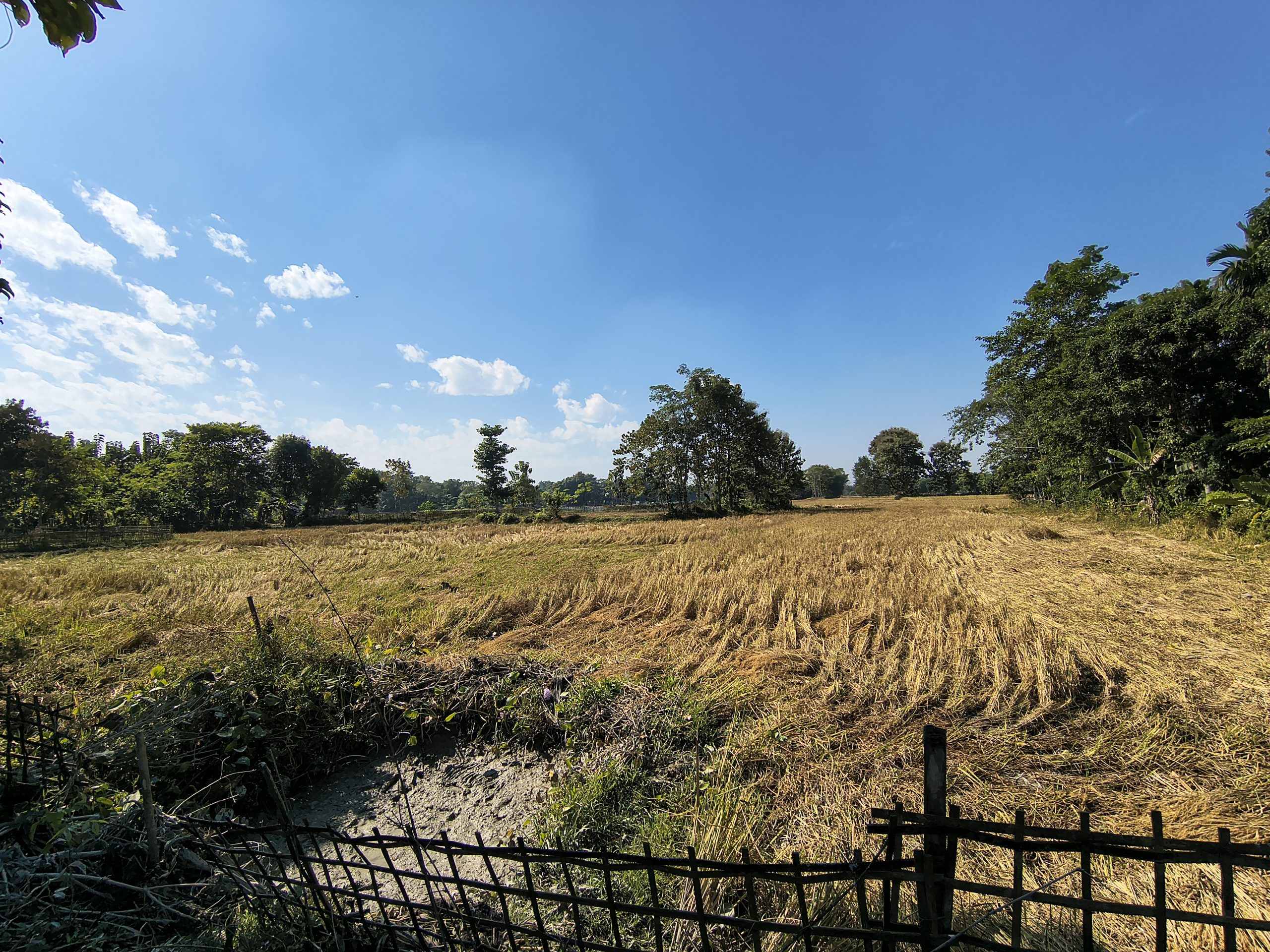
Featured image credit: Photo by DOLI HALOI, Wikimedia Commons, released under CC0 1.0.