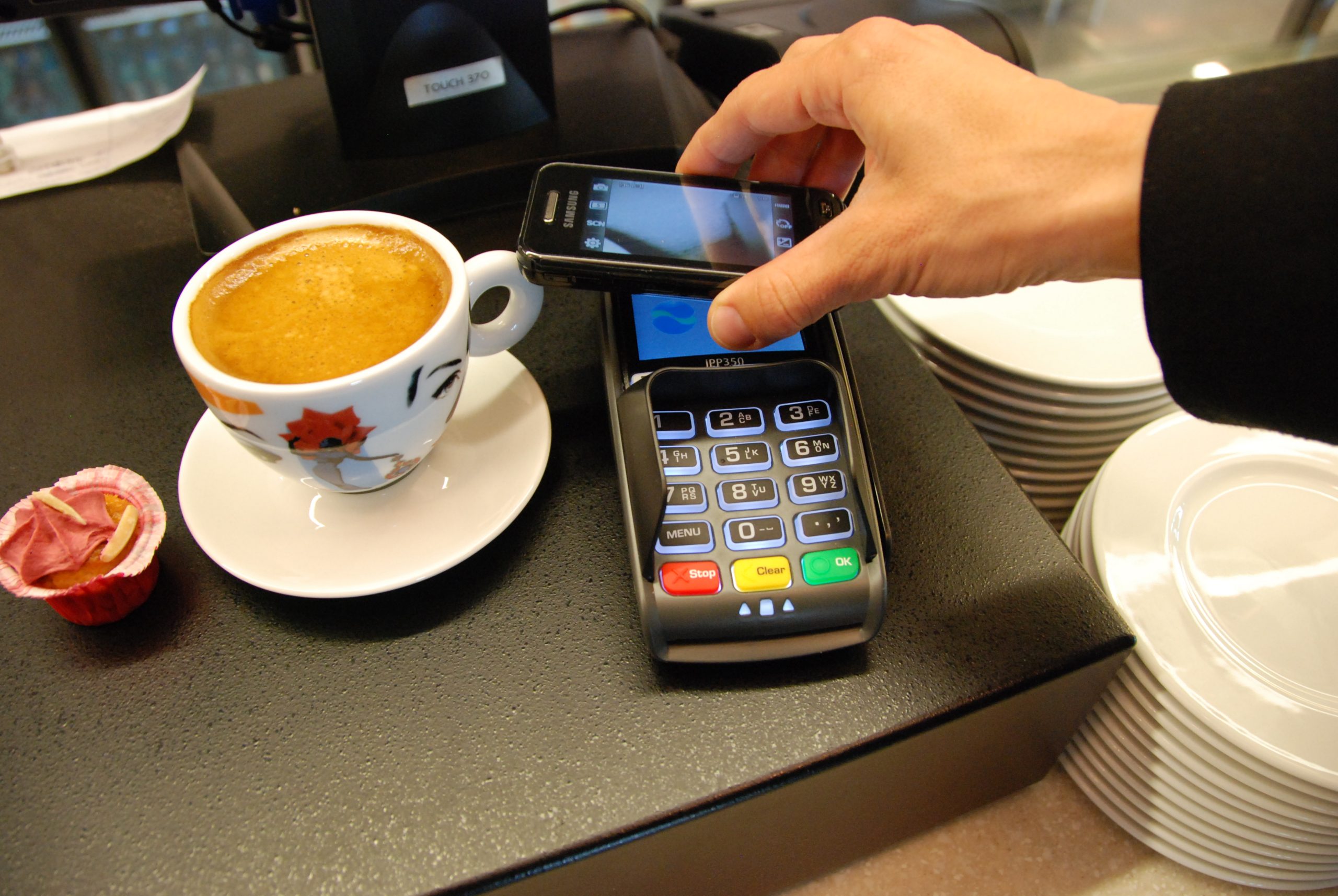
November 25, 2026: Cashfree Payments has introduced Cashfree Wallet, a prepaid wallet that allows personal artificial-intelligence agents to make supported bill payments on a user’s behalf. Launched on November 24, the service is currently in an invite-only beta and is designed to let people delegate limited payment tasks without exposing their underlying card, UPI or bank details to an AI agent.
The launch is part of the wider shift towards agentic commerce, where AI assistants move beyond answering questions or recommending products and can complete selected actions for users. Cashfree’s approach puts a spending boundary around that delegation: users load the wallet, approve a task and set the limits before an agent can pay.
How Cashfree Wallet works
Users link the wallet to a compatible AI agent through mobile-number verification and add money using supported top-up methods such as UPI, cards or net banking. Before handing over a task, the user sets the permitted amount, number of payments and the period for which the authorisation remains valid.
The agent can then make payments only within those approved rules. Cashfree says users receive an alert for each payment and can revoke an agent’s access. The agent uses the prepaid wallet balance and does not receive the user’s underlying card, UPI or bank-account credentials.
What can AI agents pay for today?
The initial live use case is bill payment. Cashfree lists electricity, broadband, gas, FASTag and postpaid bills among the supported categories. Travel, food, groceries and general shopping are shown as coming soon, not as fully available services.
The company’s product page says more than 100 personal agents and agent-builder integrations are supported. Access remains limited while Cashfree rolls out the invite-only beta in batches. The wallet is also tied to verified billers and merchants on Cashfree’s network; it should not be described as a universal payment account that works across every payment gateway.
Why the launch matters for India’s AI payments market
Until now, many AI assistants could help a user find a bill or service but still needed the person to open a payment link or scan a QR code to finish the transaction. A wallet with task-specific budgets creates a more direct hand-off between the user and the agent.
There is an important distinction: the user may top up the wallet through UPI, but the agent is not being given the user’s UPI PIN or bank credentials. It spends from the prepaid balance within the consent limits. That separation is central to the product’s safety model.
For consumers, the practical questions will be how disputes are handled, which billers are supported, how quickly access can be revoked and what protections apply if an agent makes an incorrect payment. Users should review the permissions and wallet terms before enabling any automated payment flow.
Sources and related coverage
- Cashfree: Official Wallet product page and beta details
- CiOL: Cashfree Wallet launch and 100-plus agent integrations
- Bharat.digital: Product limits and merchant-network context
Also read Infoflick’s reports on TRAI’s draft AI guidelines for telecom and BHASHINI’s multilingual AI partnership.