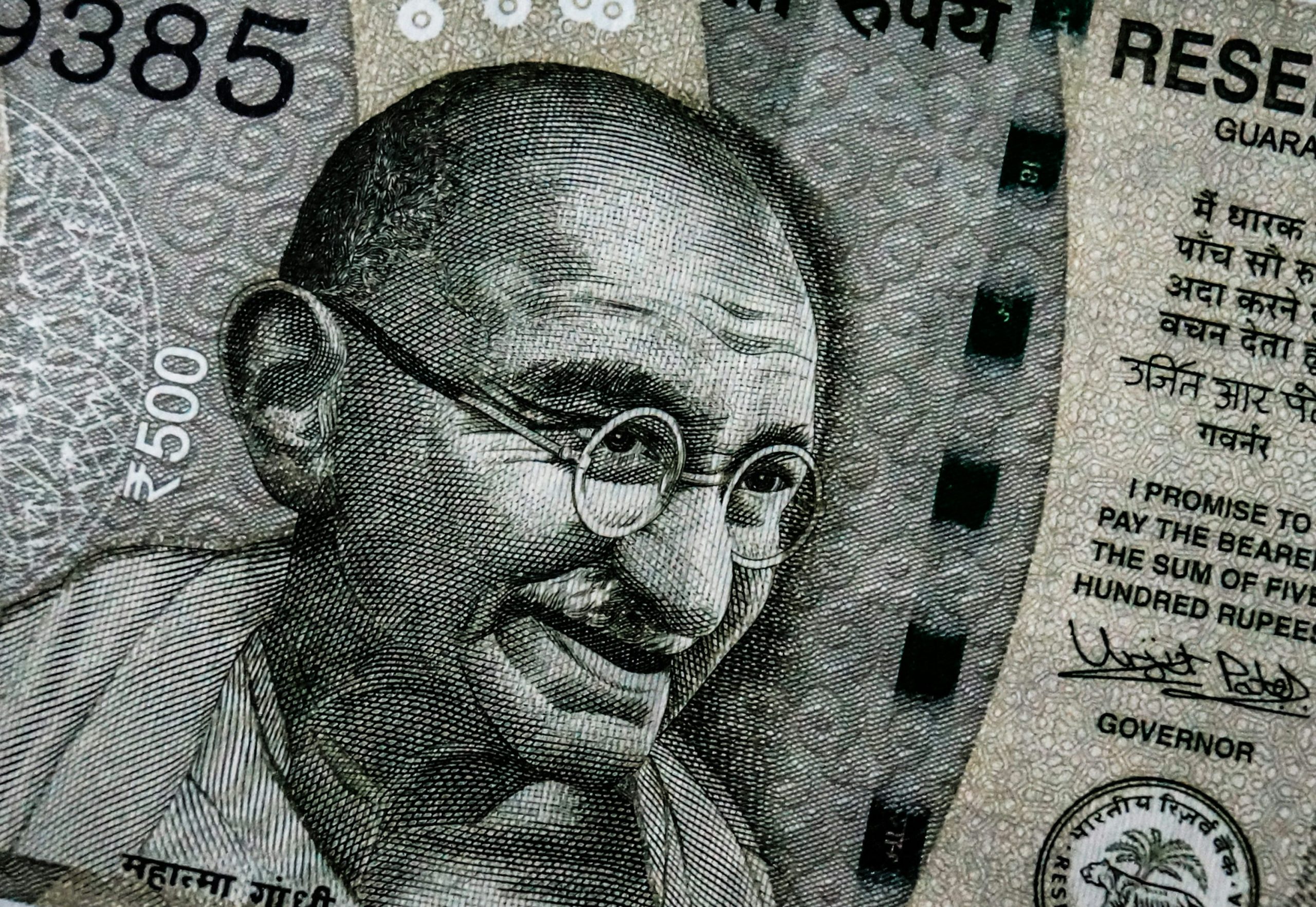
Mumbai, November 23, 2026: The Indian rupee gave back part of its recent gains on Monday, ending a five-session winning run after briefly strengthening to its best level in more than seven months.
The currency closed at 92.91 against the US dollar, down about 0.26% on the day, according to Reuters. It had touched an intraday high of around 92.44, its strongest level since April, before reversing as demand for dollars from companies and profit-taking in equities weighed on sentiment.
Why the rupee reversed after reaching a seven-month high
The rupee’s early strength followed a five-day rally that took it to 92.67 per dollar at Friday’s close. Monday’s trading was volatile: the currency opened weaker, strengthened sharply during the session and then moved lower again. Press Trust of India reported that it was trading at 92.85 in early trade, down 23 paise from the previous close.
Reuters cited increased corporate dollar buying as a key reason for the reversal. Selling in domestic equities also reduced support for the currency. The Sensex and Nifty both fell on Monday after a strong run, adding to the cautious tone across local markets.
Foreign investment continues to support the currency
The pullback does not erase the rupee’s recent recovery. Reuters reported that strong foreign portfolio inflows have supported Indian assets during November, with more than $10 billion flowing into Indian equities during the month. The currency has also benefited from periods of softer oil prices and a shift in global investment away from crowded technology trades.
However, those inflows do not guarantee a one-way move. Importer demand for dollars, changes in crude prices, the strength of the US dollar and global interest-rate expectations can all affect the exchange rate from one session to the next.
What should readers watch next?
Currency traders will continue to track foreign investor flows, oil prices, US economic data and expectations for central-bank policy. For businesses that pay overseas suppliers, importers and travellers, the daily exchange rate matters more than a single intraday high. Exporters and companies with foreign-currency earnings may see a different impact from rupee movements.
The key takeaway from Monday’s session is that the rupee’s recent strength has paused, not that the longer-term direction is settled. The next few sessions will show whether foreign inflows can offset dollar demand and wider market volatility.
Related finance coverage
- India’s forex reserves fall by $14.2 billion: What RBI data shows
- RBI forex rules 2026: What the reserve requirement means for the rupee