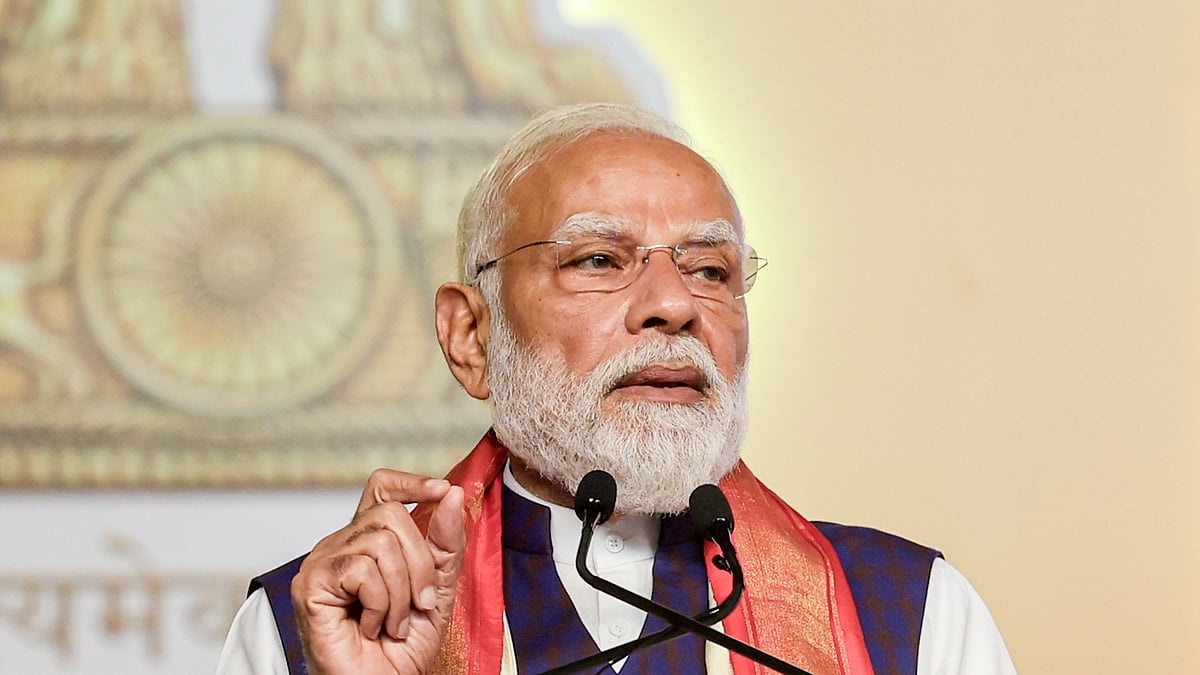
Why did Narendra Modi ask Indians not to buy gold for one year? Prime Minister Narendra Modi’s appeal was aimed at conserving India’s foreign exchange at a time when the West Asia conflict was pushing up global energy costs and adding pressure to the country’s import bill. The statement was not a legal ban on buying gold. It was a request to postpone non-essential purchases, especially jewellery bought for weddings and ceremonies, in the national interest.
The remark has returned to the headlines after Modi recalled the appeal at an event in Lucknow on November 21, 2026. He said he had asked citizens in May to avoid buying gold for a year if it was not necessary, and credited people who followed the advice. Here is what prompted the appeal and what it means for ordinary buyers.
What exactly did PM Modi say about buying gold?
Modi made the original appeal at a public meeting in Secunderabad, Telangana, on May 10, 2026. He said gold purchases use foreign exchange and asked citizens to resolve not to buy gold for one year unless it was necessary. He also urged people to reduce fuel consumption, use public transport and electric vehicles, consider work-from-home and virtual meetings, postpone non-essential foreign travel and support Indian-made products.
On November 21, while speaking at the fifth National Skill Convocation in Lucknow, he recalled the appeal and said people had told him that listening to the advice had helped save their money. His latest comments were a reminder of the earlier voluntary appeal, not an announcement of a new restriction.
1. India imports most of the gold it consumes
India is one of the world’s largest gold-consuming markets, but domestic mine production meets only a small part of demand. Much of the gold used for jewellery, bars and coins is imported. Importers need foreign currency, largely US dollars, to pay overseas suppliers.
When gold imports rise sharply, they add to the country’s import bill and can widen the merchandise trade deficit. Reducing discretionary gold imports can therefore help moderate demand for foreign currency. The appeal was particularly focused on purchases that households could postpone without an immediate need.
2. West Asia conflict and higher crude oil prices increased pressure
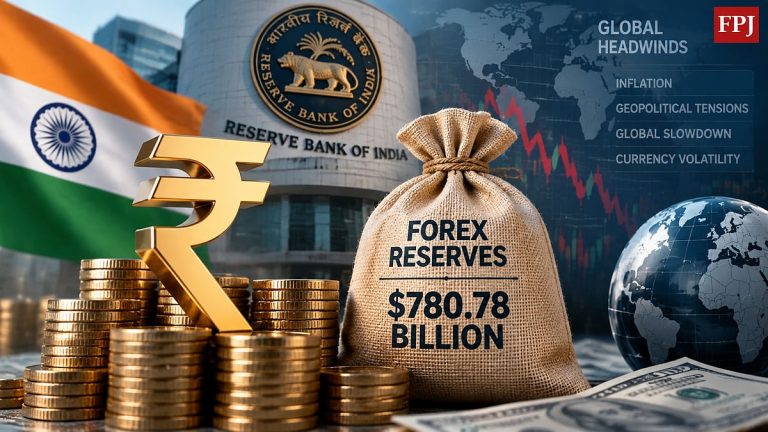
The appeal came during heightened tensions in West Asia, which disrupted energy markets and raised concerns about crude oil and gas supplies. India imports a large share of its crude oil requirement. When international oil prices rise, the country needs to spend more dollars on energy imports.
Higher oil bills, combined with other imports, can put pressure on the current account and the rupee. The government therefore urged citizens to conserve foreign exchange through several voluntary measures, including reducing unnecessary fuel use and postponing gold purchases and overseas holidays.
3. The government also raised gold and silver import duty
Alongside the public appeal, the government increased the import duty on gold and silver from 6% to 15% in May 2026. A higher import duty makes imported precious metals costlier for domestic buyers and can discourage some demand. The policy change was separate from the Prime Minister’s voluntary request to households.
Import duties, global bullion prices, the rupee-dollar exchange rate and domestic taxes all influence the final price paid by jewellery customers. A lower or higher international gold price does not always translate into an identical movement in local retail rates.
Have Indians actually reduced gold purchases?
Recent data points to a decline in India’s gold imports and demand. NDTV Profit reported that official gold imports during April–October 2026 were worth $24.78 billion, down about 39.9% from $41.24 billion in the same period a year earlier. It also cited World Gold Council data showing Indian gold demand of 162 tonnes in the July–September quarter, 29% lower year-on-year.
However, these figures do not prove that the Prime Minister’s appeal alone caused the decline. High domestic gold prices, global market movements, import-duty changes and consumer purchasing power also affect demand. The World Gold Council has pointed to high prices as an important factor behind lower jewellery and bar-and-coin volumes.
Did Modi’s appeal cause gold prices to fall?
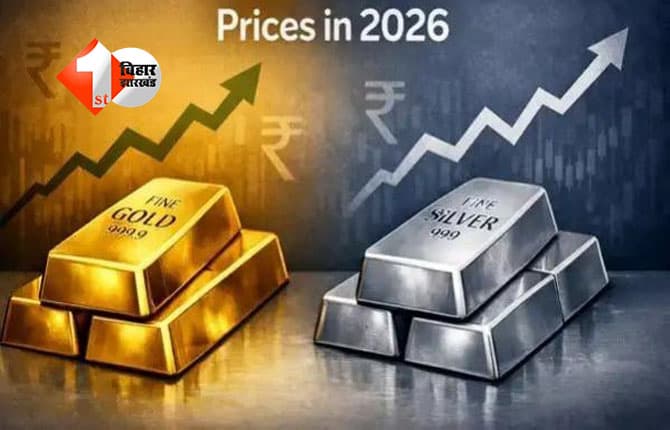
Modi linked the public response to the fall in gold prices when he spoke in Lucknow. But gold prices are determined by global factors as well as domestic demand. International interest-rate expectations, the US dollar, bond yields, investor positioning and geopolitical developments can move bullion prices sharply.
NDTV Profit reported that MCX gold was around ₹1.52 lakh per 10 grams on May 11 and ended the Friday session before its November 21 report at about ₹1.22 lakh. The same report noted a substantial decline in international spot gold. Those price movements should not be attributed only to Indian consumers buying less gold. The domestic import-duty increase and rupee movement also influence local prices.
Is it illegal to buy gold in India for one year?
No. The Prime Minister’s statement was an appeal to citizens, not a law prohibiting gold purchases. There is no blanket one-year ban on buying gold jewellery, coins or bars under that statement. Consumers can continue to make lawful purchases, subject to existing tax, payment, identity and import rules.
The message was to avoid unnecessary or postponable purchases and conserve foreign exchange during a period of economic uncertainty. People should not interpret a public appeal as a compulsory restriction on weddings, customary jewellery purchases or personal savings.
What should gold buyers do now?
Anyone planning to buy gold should make the decision based on their own financial needs, budget and time horizon rather than treating the statement as a buy-or-sell signal. Compare the prevailing 22-carat and 24-carat rates, check making charges and GST, ask for a proper invoice and verify the jewellery’s BIS hallmark and HUID where applicable.
Gold prices can rise or fall, and jewellery usually carries making charges and other costs that may not be recovered on resale. Buyers considering gold as an investment should understand the difference between jewellery, coins, bars and regulated financial products linked to gold. This article is general information, not personal investment advice.
Key takeaways
- Modi made the one-year gold-buying appeal on May 10, 2026, amid pressure from higher energy costs and global uncertainty.
- The central objective was to conserve foreign exchange and reduce avoidable import demand.
- The government separately raised gold and silver import duty from 6% to 15% in May.
- India’s gold imports and quarterly demand later declined, but prices and policy changes were also important factors.
- The appeal is voluntary; it is not a legal ban on buying gold in India.
Sources
- NDTV Profit – PM Modi recalls May appeal and discusses gold prices and imports, November 21, 2026.
- Reuters – Modi’s gold appeal, oil shock and foreign-exchange concerns, May 11, 2026.
- India Today – PM Modi’s May 10 appeal on gold, fuel and foreign travel.
- The New Indian Express – Secunderabad speech and energy crisis context.
Disclaimer: This report is based on public statements and media reports available on November 22, 2026. Gold prices and market data change frequently. Check current rates and official government notifications before making financial decisions.