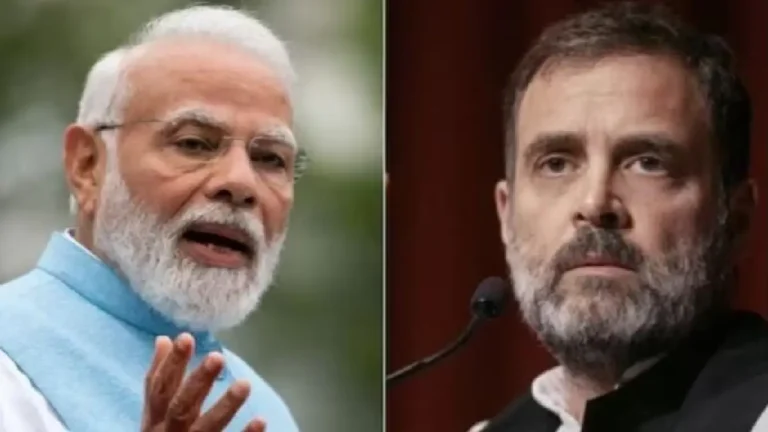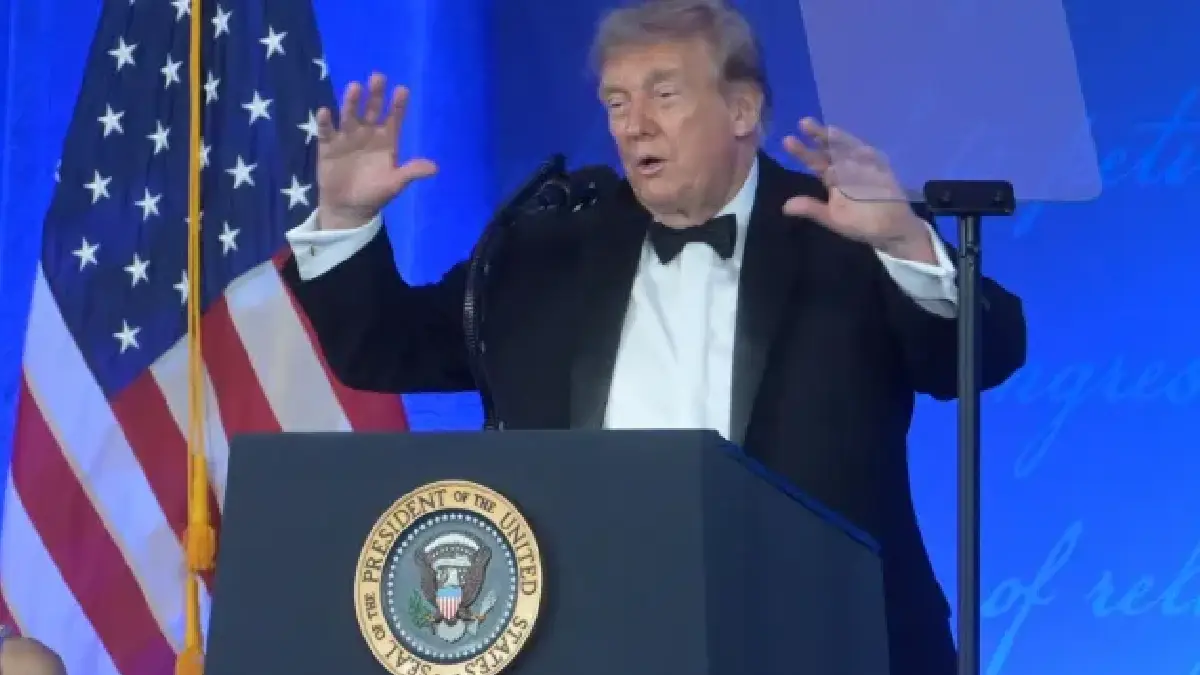
The US House of Representatives has passed a sweeping Russia sanctions bill that could give President Donald Trump the authority to impose tariffs of up to 100% on countries including India and China that continue to purchase Russian oil and natural gas. The legislation now goes to Trump for his signature.
US House Passes Russia Sanctions Bill
The legislation, officially titled the Lindsey O. Graham Sanctioning Russia and Iran Act of 2026, passed the House on September 16 by a 262-159 vote. It had already cleared the US Senate by an 86-11 vote in August.
The bill is designed to increase economic pressure on Russia over its war in Ukraine. It includes sanctions targeting Russian officials, financial institutions, energy interests and vessels described as part of Russia’s “shadow fleet,” which is accused of helping move oil while bypassing sanctions.
How Could India and China Face 100% Tariffs?
Importantly, the bill does not automatically impose a 100% tariff on India or China. Instead, it gives the US president authority to impose tariffs of up to 100% on countries that meet specified conditions involving Russian oil or natural gas purchases.
The legislation directs the president to apply tariffs ranging from above zero to 100% on countries that knowingly purchase Russian crude oil or natural gas, as well as certain countries involved in sanctions evasion. The measure also provides for periodic reassessment of countries potentially covered by the secondary sanctions.
India and China are particularly relevant because both have been major buyers of Russian crude oil. Consequently, the new authority could expose their exports to the US market to significantly higher duties if Trump chooses to use it.
Bill Now Awaits Trump’s Signature
Following House approval, the bill has been sent to President Trump. If he signs it, the new statutory authority would become available to his administration. However, the legislation itself does not mean that a 100% tariff will immediately take effect.
Trump would still have to decide whether and how to exercise the authority provided by the law, subject to its conditions and provisions.
Why the Bill Matters for India
For India, the legislation creates another potential trade-policy challenge because Russian crude has remained an important part of the country’s energy imports. A US tariff of up to 100% on Indian goods could have consequences for exporters if such measures were actually imposed.
The bill therefore creates a potential link between India’s purchases of Russian energy and its access to the US market. The practical impact will depend on whether Trump signs the legislation and subsequently invokes the tariff authority.
The measure also extends sanctions against Iran and seeks to strengthen restrictions on Russia’s financial and energy networks.