
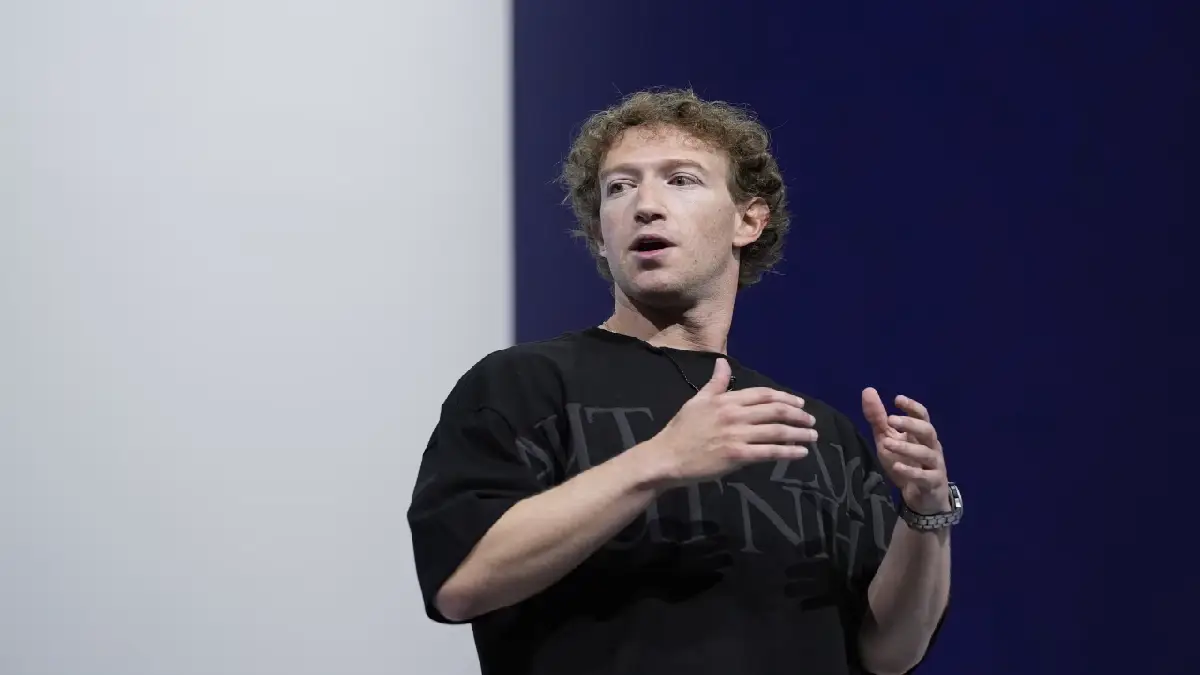
Meta CEO Mark Zuckerberg has pushed back against growing calls for a coordinated slowdown in artificial intelligence development, arguing that competition, commercial incentives and legal liability can encourage AI companies to build safer systems.
Zuckerberg’s comments come amid an intensifying debate in the technology industry over whether the rapid development of increasingly capable AI models should be slowed to give researchers more time to address potential risks.
Zuckerberg Says Competition Can Drive AI Safety
In a post on X, Zuckerberg argued that AI companies have both the responsibility and the ability to determine the pace at which they develop their models safely. He said users are unlikely to continue using AI agents that are unreliable or do not follow their instructions, creating a commercial incentive for companies to improve alignment and trust.
According to Zuckerberg, competition could therefore become a mechanism for encouraging safer AI systems. Companies that fail to make their models trustworthy could lose users and fall behind rivals.
He also pointed to liability as another incentive for AI companies to take safety seriously.
Meta Delayed Its AI Agent
Zuckerberg cited Meta’s decision to delay the release of its Muse AI personal agent as an example of how individual companies can take safety measures without waiting for an industry-wide agreement.
He said Meta delayed the rollout for several months to address security and safety concerns. Zuckerberg’s argument is that companies can independently make such decisions rather than collectively agreeing to slow down AI development.
He has also previously said that Meta uses measures including red-teaming, external evaluation and safeguards to identify potential problems in AI systems.
Why Some AI Leaders Want a Slowdown
Zuckerberg’s position comes shortly after Anthropic CEO Dario Amodei called for the industry to slow the pace at which frontier AI models are becoming more capable.
OpenAI CEO Sam Altman, SpaceXAI’s Elon Musk and Google DeepMind chair Demis Hassabis have also expressed support for stronger safety measures, although their proposals and positions differ. The debate has focused on concerns that AI capabilities could advance faster than safety systems designed to control them.
Amodei has proposed measures including greater involvement from independent evaluators, common safety standards and international coordination.
A Growing Debate Over AI’s Future
The disagreement highlights a central question facing the technology industry: should AI development continue at its current pace with companies improving safety independently, or should there be greater coordination to slow frontier development?
Zuckerberg has argued that trust and alignment will themselves become competitive advantages. His position does not mean Meta is dismissing AI safety; rather, he argues that companies can pursue rapid innovation while taking independent measures to reduce risks.
As AI systems become increasingly capable, the debate over competition, regulation, safety testing and responsible development is likely to remain a major issue for technology companies, governments and users worldwide