Abhijeet Dipke, founder of the Cockroach Janata Party (CJP), has been granted conditional release after being detained in Delhi ahead of a planned “Lehra Do Tiranga” march at Connaught Place. Reports published on October 17 said he was required to sign a peace bond and comply with a condition to avoid a breach of public peace for one year.
Why was Dipke detained?
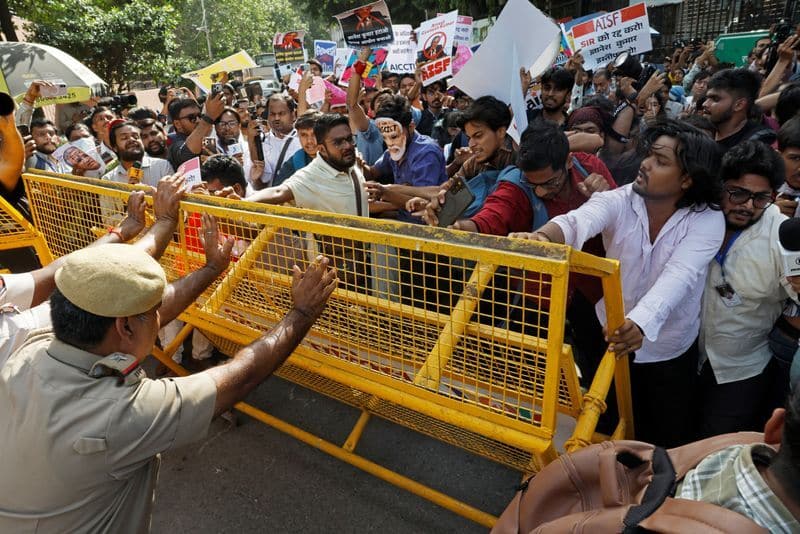
Dipke had planned to take part in a protest linked to the CJP’s campaign and its demands concerning alleged irregularities in voter-list revisions. Police had reportedly issued a notice restricting the planned march at Connaught Place. Authorities detained Dipke after he proceeded with the event despite the restriction, according to media reports.
The case unfolded amid a wider dispute over the Special Intensive Revision of electoral rolls. Critics have raised concerns about large numbers of names being removed, while the Election Commission has said the process was not politically motivated and that affected voters can take steps to re-register. The claims remain contested by political actors and should be attributed to the parties making them.
What does conditional release mean?
A peace bond is a legal undertaking intended to require a person to maintain public peace and comply with specified conditions. In Dipke’s case, reports said the authorities required a bond and a commitment not to breach the peace for one year. Such a condition is not the same as a finding of guilt after a full criminal trial; it is important to distinguish preventive proceedings from a final adjudication of allegations.
News reports have also described other CJP figures being detained or released in connection with protest activity. The exact circumstances can differ by person, so each individual’s legal status should be checked against the relevant order or reliable reporting.
Political reaction and the protest movement
The CJP has presented its demonstrations as a challenge to the voter-list revision process and has called for accountability from election authorities. Critics of the protest have questioned the movement’s tactics, while supporters argue that public demonstrations are a way to draw attention to concerns about electoral participation.
The dispute reflects a broader debate about how election rolls are updated, how citizens can challenge deletions and how authorities balance public order with the right to assemble. Those questions require accurate information from the Election Commission, courts and other official bodies.
What happens next?
Dipke’s conditional release does not by itself settle the political dispute surrounding the protest or the voter-list revision. Further developments may depend on compliance with the bond, any subsequent legal proceedings and whether the organisers announce another demonstration.
Readers should consult official court or police documents where available and distinguish allegations from established findings. The latest reports confirm the conditional-release arrangement, while the broader political claims remain disputed.