
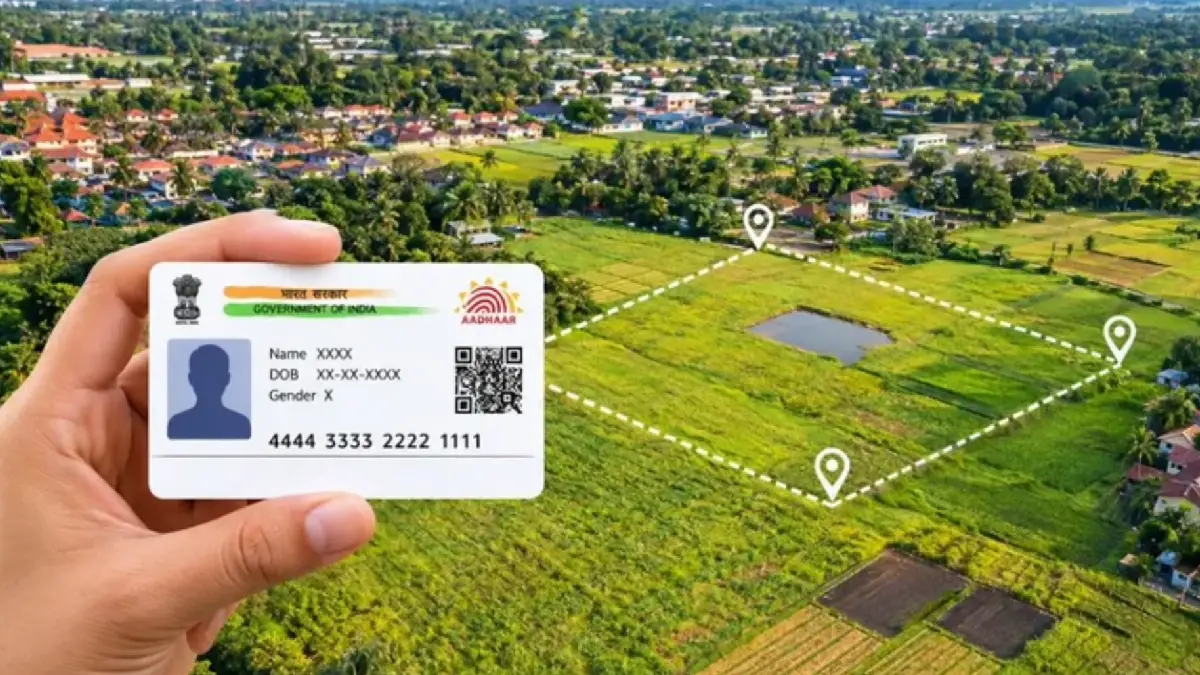
The government is rolling out Bhu-Aadhaar, a 14-digit unique identification number for land parcels, as part of efforts to modernise India’s land records and reduce property-related disputes. The initiative is designed to give individual land parcels a unique digital identity and make it easier for owners, buyers and government authorities to identify and verify land records.
The Bhu-Aadhaar land ID is expected to improve transparency in property transactions by linking land parcels with digital land-record information. For property buyers, this could make the process of checking ownership and property details more reliable before completing a purchase.
What is Bhu-Aadhaar?
Bhu-Aadhaar is a 14-digit Unique Land Parcel Identification Number (ULPIN) assigned to a specific land parcel. The number is intended to function as a unique identifier for land, similar in concept to how Aadhaar provides a unique identity for individuals.
The system forms part of the government’s broader efforts to digitise and integrate land records across India. The unique number can help authorities identify a particular parcel even when property descriptions, survey numbers or other local records differ.
How Bhu-Aadhaar Can Help Property Buyers
Property disputes in India often arise because of unclear ownership, inaccurate records, overlapping claims, boundary issues and differences between physical properties and government records.
A unique land ID can make it easier to trace a property’s official records. Before buying land, prospective buyers may eventually be able to use digital records associated with the parcel to verify important information such as its location, ownership-related records and other registered details, subject to the availability of such information through the relevant state systems.
This can provide an additional layer of verification during property transactions.
Benefits for Land Owners
For landowners, Bhu-Aadhaar can help create a standardised digital identity for their property. It can support better record management and make it easier for government departments to access and update land-related information.
The system could also improve coordination between different departments involved in land administration, registration, taxation and planning.
Role in Digitising Land Records
Bhu-Aadhaar is connected with India’s wider Digital India Land Records Modernization Programme (DILRMP). The broader objective is to digitise land records, improve access to property information and create more efficient land administration systems.
As more states integrate their land databases and related services, unique parcel identification could make property records easier to track and manage.
Will Bhu-Aadhaar Eliminate Property Disputes?
While Bhu-Aadhaar could significantly improve transparency and reduce errors, it does not automatically guarantee that a property is dispute-free. Buyers should continue to conduct proper due diligence, including checking title documents, encumbrances, registration records, approvals, survey boundaries and applicable local regulations.
The effectiveness of Bhu-Aadhaar will also depend on the accuracy and completeness of the underlying land records.
Overall, the 14-digit Bhu-Aadhaar land ID represents an important step towards creating more transparent and digitally connected land records in India. If implemented comprehensively across states, it could make property verification easier and help reduce many of the uncertainties associated with land ownership and transactions.