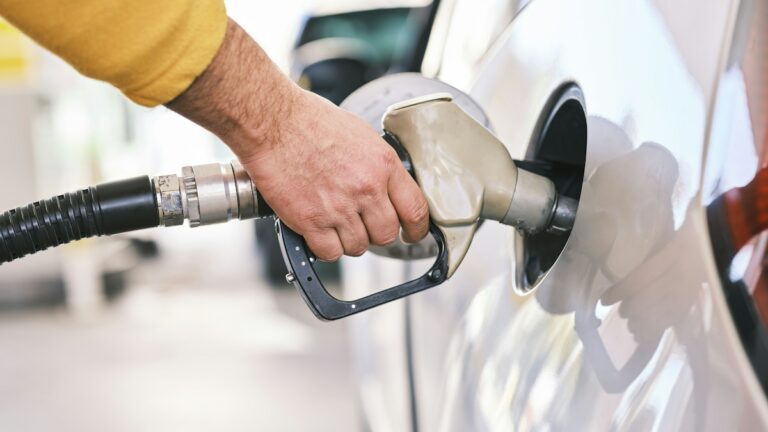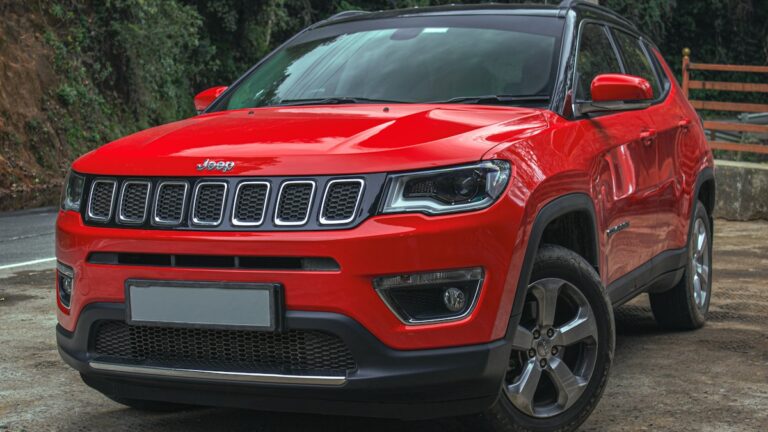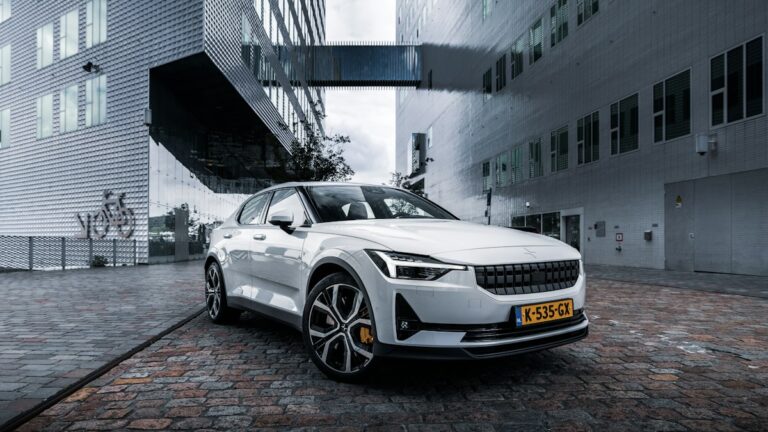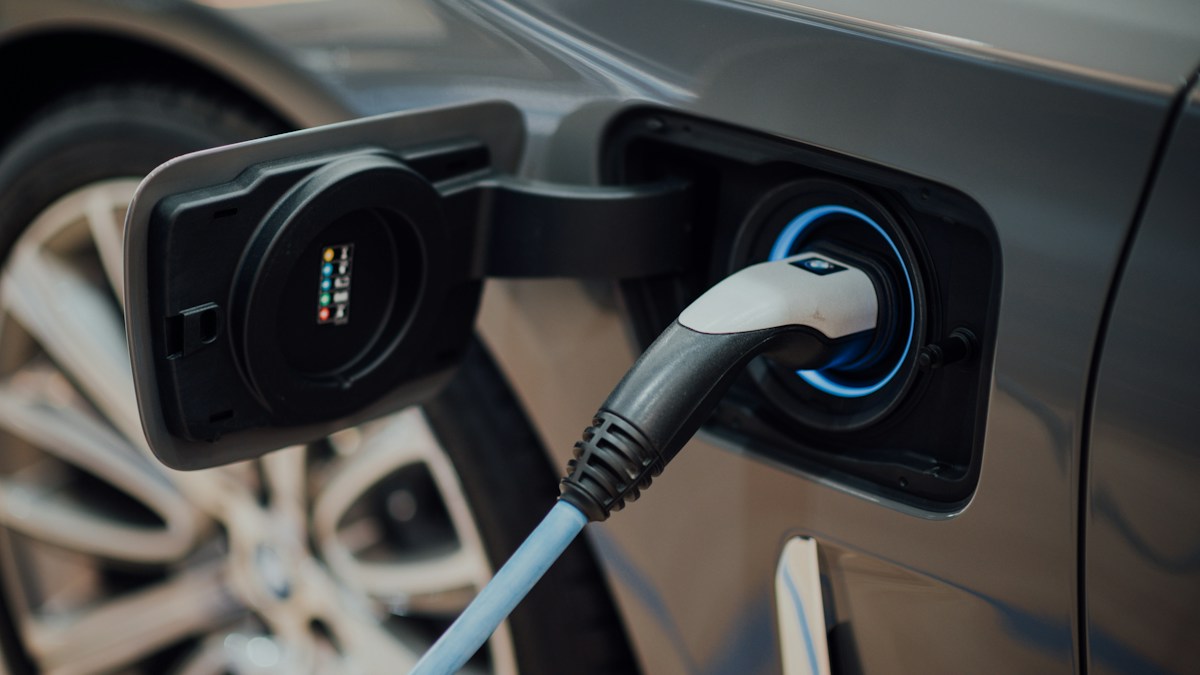
Choosing between an electric car and a petrol car in India in 2026 depends less on headlines and more on how far you drive, where you can charge and how long you plan to keep the vehicle. An EV can have a lower energy cost per kilometre for some households, but the upfront price, charging access, insurance and resale assumptions can change the calculation.
1. Start with your daily distance
Estimate a typical week rather than using only your longest holiday trip. A commuter who covers predictable urban kilometres and can charge at home has a different use case from a driver who regularly travels between cities. Add a buffer for detours, traffic and seasonal air-conditioning use when evaluating an EV’s real-world range.
2. Compare energy cost, not just mileage
For a petrol car, divide the local petrol price by the real-world kilometres per litre. For an EV, multiply its actual electricity use per kilometre by your effective electricity tariff, including relevant charging losses or public-charger fees. This creates an approximate energy cost per kilometre. Use your own local rates; advertised figures can be misleading if they assume ideal driving or low-cost home electricity.
3. Include the purchase price and financing
An EV may have lower running costs but a higher purchase price than a comparable petrol model. Compare the final on-road price, down payment, loan interest and insurance for equivalent equipment. Also check the battery warranty and what it does—and does not—cover.
4. Maintenance and wear items
EVs generally have fewer routine powertrain service items than combustion vehicles, but they still need tyres, brakes, suspension, coolant or other scheduled checks depending on the model. Tyre wear, repair access and insurance premiums can materially affect long-term cost. Do not assume maintenance is free or that every EV repair is cheaper.
5. Charging and long-distance trips
If you live in an apartment, obtain permission and confirm the electrical installation before assuming you can install a home charger. Check reliable charging coverage for regular destinations. Public charging can cost more than home charging and waiting for an available charger can affect travel time.
Simple break-even method
Estimate the difference between comparable on-road purchase prices, then divide it by your expected savings per kilometre. This gives a rough distance needed to recover the initial price gap, before financing, resale and other ownership costs. If the petrol alternative costs ₹2 lakh less and your calculated energy saving is ₹4 per kilometre, the simple energy-only break-even would be 50,000 km. Your own inputs may produce a very different result.
Conclusion: EVs may suit predictable, high-frequency urban use with convenient charging. Petrol cars can remain practical where charging access is poor or journeys are unpredictable. Build a personalised total-cost estimate before booking either one.