Choosing a car fuel type in 2026 is a decision about your route, annual distance, infrastructure and how long you intend to own the vehicle. Petrol, diesel, CNG, hybrid and electric cars can all make sense in different situations; no single option is automatically cheapest or best for every driver.
Petrol: flexible for mixed use
Petrol cars are often easy to use for occasional long trips and are widely supported by fuel stations. They can suit lower or moderate annual distances, but fuel expenditure can add up for a long daily commute. Compare real-world mileage in your likely driving conditions rather than relying only on brochure figures.
Diesel: evaluate your usage carefully
Diesel can suit some high-mileage users, particularly those who do regular highway driving or need a certain kind of torque. However, the price premium, maintenance, emissions rules and access restrictions in specific areas should be considered. The economics depend on the exact model and annual kilometres, not just the fuel price.
CNG: running-cost potential with practical trade-offs
CNG can lower fuel costs for drivers with convenient station access and substantial daily use. Before choosing it, inspect boot-space compromises, station queues, route coverage and any differences in performance or equipment between CNG and petrol variants. An official factory-fitted system and its warranty terms should be assessed against your usage.
Hybrid: less charging dependence
Hybrid cars use a combination of combustion power and electric assistance; the exact system varies by model. They may improve efficiency in stop-start driving without requiring routine plug-in charging. Compare the additional purchase cost with your likely fuel savings and check battery coverage and scheduled maintenance.
Electric: useful if charging fits your life
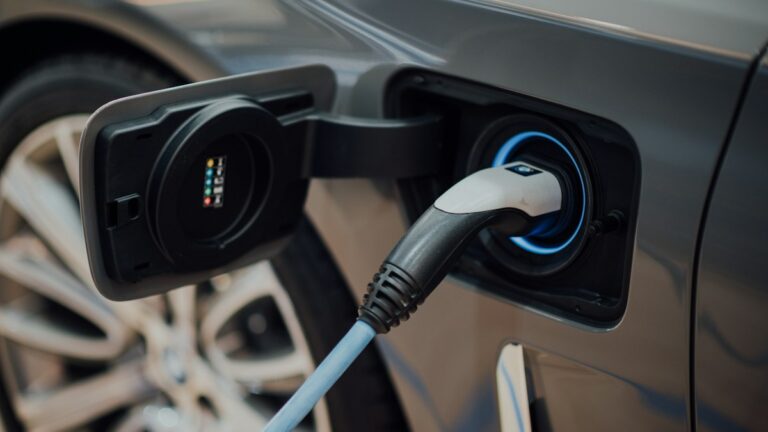
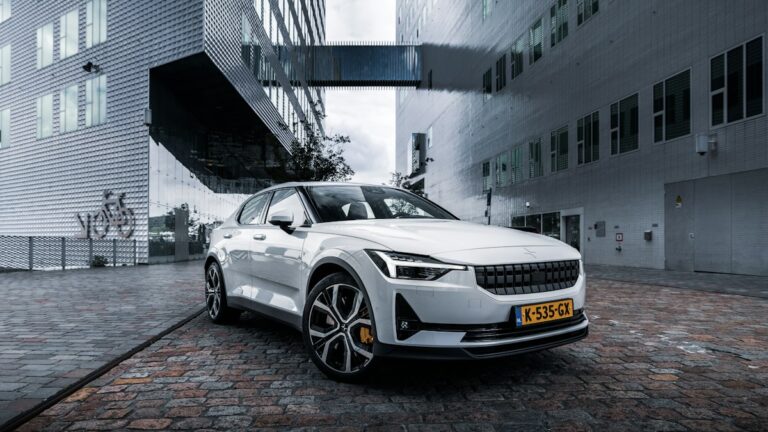
An EV can offer quiet driving and a lower energy cost for some users, especially with home charging. Yet buyers should verify real-world range, charging speed, public charging access, battery warranty, insurance and repair support. Apartment dwellers should confirm charging permissions before buying.
A simple decision guide
- Short city trips and low annual distance: compare petrol and hybrid options.
- Long daily commute with dependable station access: include CNG and EVs in a total-cost calculation.
- Frequent long-distance highway travel: evaluate diesel, petrol and hybrid choices against current local rules and route needs.
- Home charging and predictable daily travel: an EV deserves close consideration.
Calculate total ownership cost
Add the on-road price, financing, fuel or electricity, service, insurance, tyres and expected resale value over the years you will own the car. Divide running expenses by your anticipated kilometres. Treat this as an estimate, and test more than one scenario if fuel prices or annual distance could change significantly.
Bottom line: Choose the fuel type that supports your actual routine. Test-drive the specific model, check official warranties and calculate costs using your own local prices before booking.