New Delhi, November 23, 2026: India’s private defence sector has reported a new milestone in counter-drone technology after IG Defence said it successfully test-fired its JWALA MK-1 autonomous micro-missile system at the Pokhran Field Firing Range in Rajasthan.
The company describes JWALA MK-1 as an indigenous counter-unmanned aircraft system (CUAS) designed to detect, identify and engage hostile drones. The test was reported by Business Standard and The Economic Times on Monday. The development is notable because militaries are increasingly looking for ways to counter relatively inexpensive unmanned aircraft without relying exclusively on costly conventional air-defence interceptors.
What is JWALA MK-1?
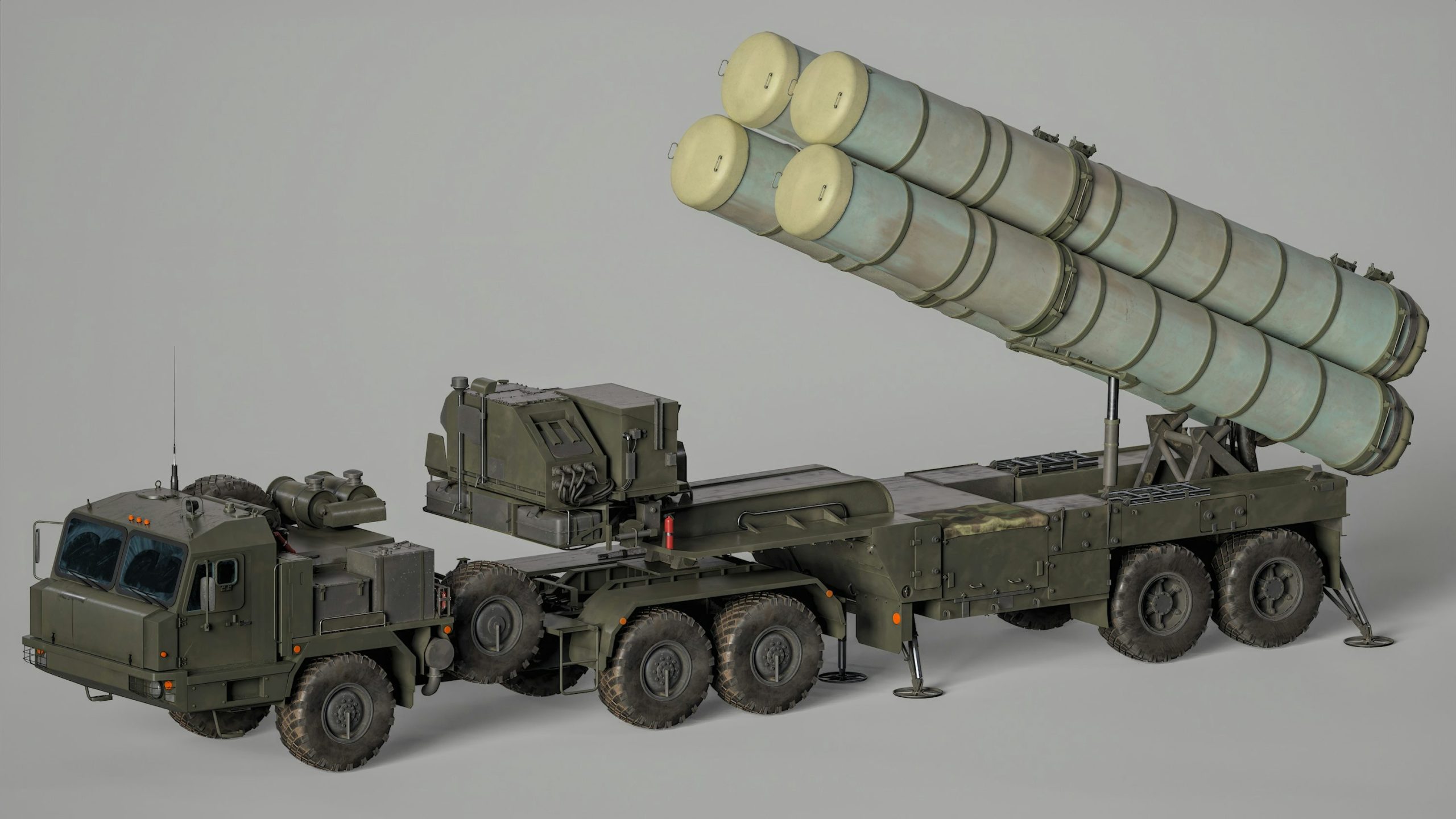
JWALA MK-1 is a short-range, surface-to-air missile system developed by Noida-based IG Defence. The company’s product information lists an engagement range of 2 to 5 kilometres and an engagement altitude of 50 metres to 5,000 metres. It is designed for mobile deployment using a multi-canister launcher.
The system is paired with GRID, IG Defence’s AI-enabled mission autonomy and battle-management platform. According to the company, GRID brings sensor inputs, target detection, identification, classification and engagement management into one operational architecture. These are company-described capabilities; the public material does not provide an independent assessment of the system’s performance.
Why the Pokhran test matters
Small drones can be used for surveillance, reconnaissance and attacks, and their low cost can create an unfavourable exchange when a military has to use expensive interceptors to stop them. A domestically developed counter-drone option could add another layer to India’s air-defence toolkit if it completes the required testing and evaluation.
The reported test also reflects the growing role of private Indian companies in defence research and manufacturing. It follows other domestic developments in drone and missile technology, including the demonstration of Adani Defence’s Bagheera AT1 system at Pokhran.
What has not yet been confirmed?
A successful test-firing is a development milestone, not proof that a system has entered operational service. Public reports available on November 23 do not specify the number of targets intercepted, the precise conditions of the trial, the system’s production schedule or a date for induction into the armed forces. Those details will matter when assessing its readiness.
For now, JWALA MK-1 is a reported step forward for India’s indigenous counter-drone ambitions. Further trials and independent evaluation will determine how the system performs in operational conditions.
Related defence coverage
- Drone Federation India flags tenders naming Chinese drone components
- Adani Defence demonstrates Bagheera AT1 at Pokhran