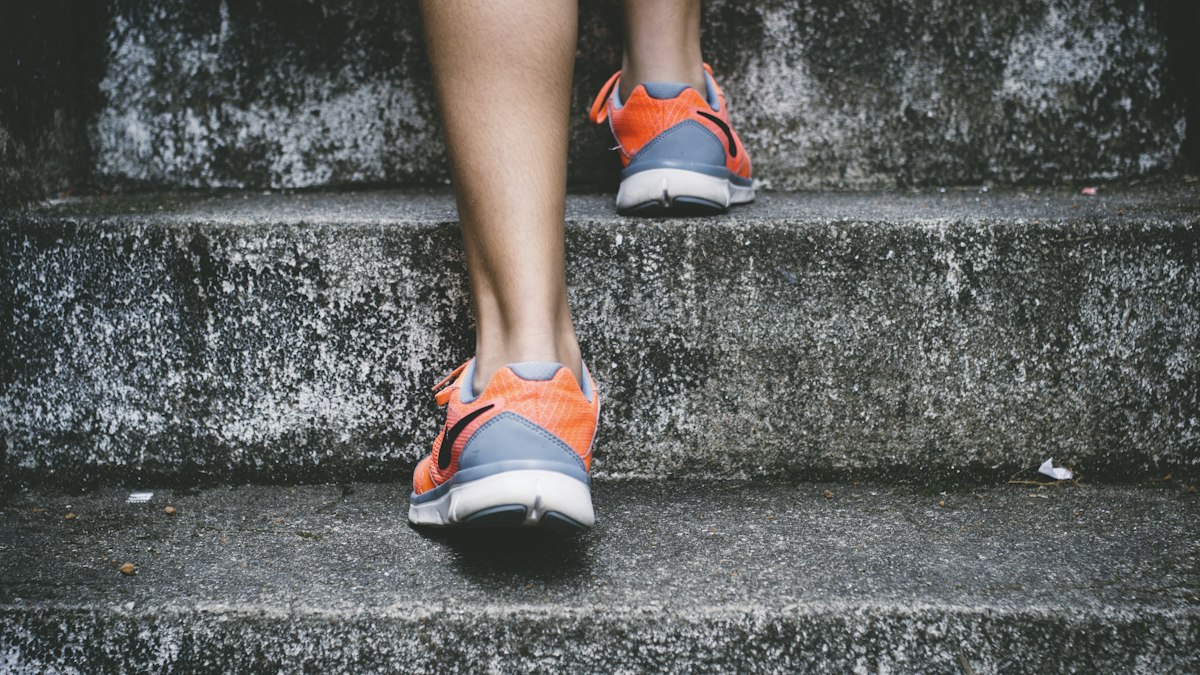
How much exercise a person needs depends on age, health, ability and the kind of activity they do. The World Health Organization (WHO) says regular physical activity supports health throughout life, and even small increases in daily movement are better than remaining inactive. Its guidelines cover children, adults and older people, with recommendations that can include walking, cycling, sport, active play and household tasks.
Children and teenagers: ages 5–17
WHO recommends that children and adolescents aged 5 to 17 average at least 60 minutes of moderate-to-vigorous physical activity per day across the week. Most of this should be aerobic activity, such as running, cycling, swimming, dancing or active games. Activities that strengthen muscles and bones should be included at least three days each week.
For young people, exercise does not have to mean a formal gym session. Playing outdoors, walking to school where safe, participating in sports and taking active breaks from screens can all contribute. Adults should make sure activities are age-appropriate and adapted to a child’s abilities.
Adults: ages 18–64
For adults, WHO recommends at least 150 to 300 minutes of moderate-intensity aerobic activity each week, or 75 to 150 minutes of vigorous activity, or an equivalent combination. Moderate activity includes brisk walking and cycling at a pace that raises breathing while still allowing conversation. Vigorous activity makes talking more difficult.
Adults should also do muscle-strengthening activities involving the major muscle groups on at least two days per week. Exercise can be spread across the week rather than completed in a single long session. People with desk jobs can also benefit from standing up regularly and breaking up long periods of sitting.
Adults aged 65 and older
Older adults are advised to follow the adult aerobic and strength recommendations as their abilities allow. Those with reduced mobility should include activities that improve balance and help prevent falls on three or more days a week. Strength, balance and flexibility can support independence, but the right programme depends on health status and previous activity levels.
What about younger children and people with health conditions?
The headline WHO guideline above focuses on ages five and older. Younger children benefit from varied movement and active play throughout the day. People living with disabilities, chronic conditions or recovering from illness may need adapted plans and professional guidance to exercise safely.
How to start safely
Begin with an achievable amount and build gradually. Choose activities you enjoy, wear suitable footwear, drink water and account for heat and air quality. Anyone with concerning symptoms or a medical condition should seek advice from a qualified healthcare professional before making major changes.
These recommendations are public-health guidance, not a personalised prescription. The most useful routine is one that is safe, sustainable and suited to a person’s age and circumstances.
Source: World Health Organization, Guidelines on Physical Activity and Sedentary Behaviour.