
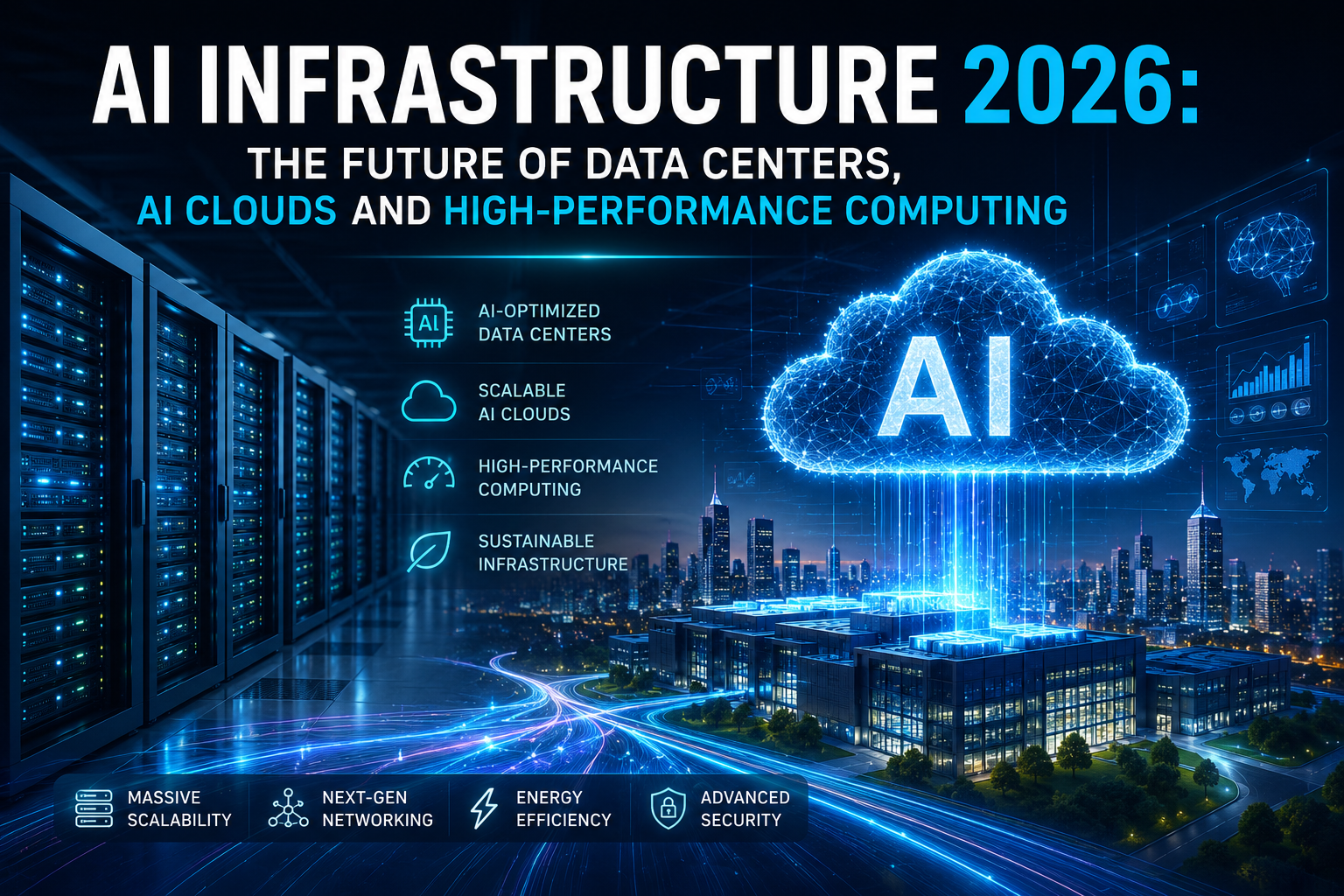
Elon Musk has warned that the rapid expansion of artificial intelligence infrastructure could create a major funding challenge in 2027. As technology companies race to build larger data centres and secure advanced chips, the cost of powering, cooling and operating large-scale computing systems is becoming a central concern.
In comments reported by Hindustan Times on November 22, Musk said the industry could face a cash requirement running into hundreds of billions of dollars as companies attempt to bring more computing capacity online.
Why AI infrastructure needs so much money
Training and operating advanced AI models requires large clusters of specialised processors, high-speed networking, storage and sophisticated cooling systems. These facilities also consume substantial amounts of electricity and need reliable power infrastructure.
Building a data centre is only one part of the expense. Operators must also secure chips, connect facilities to power grids, manage heat, maintain hardware and keep systems running reliably. Delays in any of these areas can raise costs and slow the rollout of new services.
Power and cooling are becoming critical constraints
As AI workloads grow, electricity availability and cooling capacity are increasingly important to the economics of data centres. High-performance processors generate significant heat, making advanced cooling systems and careful facility design essential.
These requirements are influencing where companies build new facilities and how they plan long-term investments. Access to power, grid connections, land and suitable infrastructure can determine how quickly a project becomes operational.
What it could mean for the technology sector
A larger funding requirement could put pressure on companies that are expanding infrastructure faster than their revenue grows. It may also increase the importance of capital discipline, efficient chips, improved model performance and better utilisation of existing computing resources.
For businesses adopting AI, the infrastructure race could influence service pricing, availability and the pace at which new capabilities reach customers. However, the eventual impact will depend on demand, investment levels and improvements in computing efficiency.
The next phase of the AI race
The AI boom is no longer only about developing more capable models. It is also a competition to build the physical infrastructure required to run them at scale. Power supply, cooling, chips and financing are likely to remain major issues for the industry through 2027.
Key takeaway: Musk’s warning draws attention to the enormous capital and engineering demands behind AI growth. The companies that manage infrastructure costs and operate computing resources efficiently may be better positioned in the next stage of the AI market.
Source: Hindustan Times, November 22, 2026.


Comments