Diwali 2026, also known as Deepavali or the Festival of Lights, will be celebrated in India on Sunday, November 8, 2026, according to published 2026 holiday calendars. The festival brings families and communities together through prayers, lamps, colourful decorations, festive meals, gifts and acts of generosity.
Diwali is widely associated with the triumph of light over darkness and good over evil. Customs vary across regions and communities, making the festival a rich blend of spiritual traditions, family celebrations and local culture.
Diwali 2026: Date and Significance
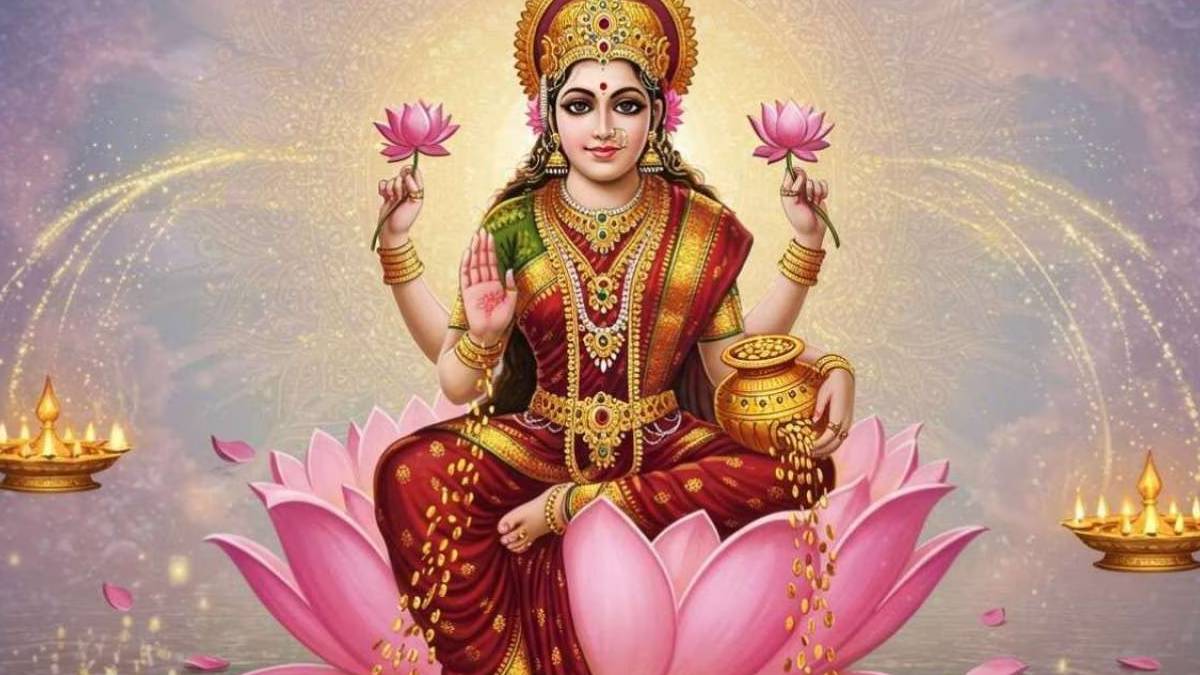
Diwali is observed on the Amavasya, or new-moon day, of the Hindu lunar month of Kartika. Many families worship Goddess Lakshmi, associated with prosperity, and Lord Ganesha, associated with wisdom and auspicious beginnings. In some traditions, the festival also celebrates Lord Rama’s return to Ayodhya after his victory over Ravana. Other regions connect Diwali with different stories and observances, including the victory of Lord Krishna over Narakasura.
Because rituals and calendar observances can differ by region, people planning a Lakshmi Puja may wish to check a trusted local panchang for the appropriate muhurat in their city.
Why Is Diwali Celebrated?
The meaning of Diwali is not limited to one story. For many people, it represents hope, renewal, knowledge and the victory of good over evil. Lighting a diya is a simple but powerful symbol: a small flame can brighten a dark space. The festival is also a time to reconnect with relatives, welcome guests, share food and remember those who may need support.
Popular Diwali Traditions in India
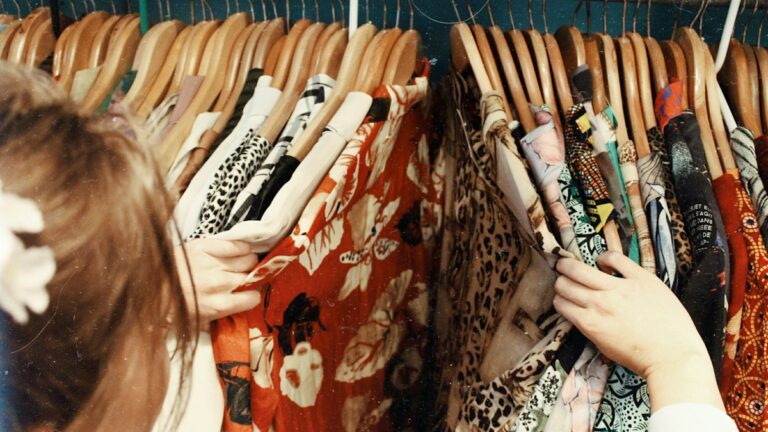
- Cleaning and decorating homes: Families tidy their homes and decorate entrances with rangoli, flowers, torans and lights.
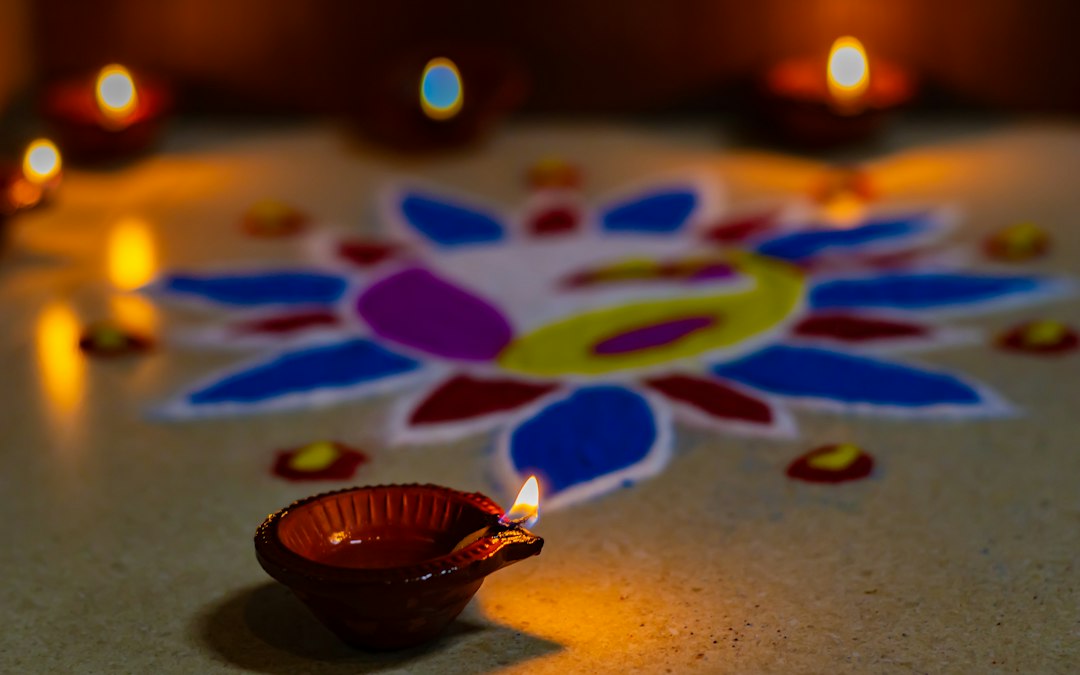
- Lighting diyas: Traditional oil lamps and decorative lights brighten homes, courtyards and streets.
- Lakshmi Puja: Many households offer prayers for prosperity, well-being and a positive start to the year ahead.
- Sharing sweets and gifts: Mithai, homemade snacks and thoughtful gifts are exchanged with family, friends and neighbours.
- New beginnings: Some businesses perform puja for their books of accounts, shops and tools, while families begin new purchases or household projects.
- Community celebrations: People visit relatives, attend cultural events and take part in neighbourhood festivities.
Diwali Decoration Ideas for Your Home
You do not need an elaborate setup to create a festive atmosphere. Arrange diyas safely along a balcony or entrance, use flowers to decorate doorways, and create a rangoli with coloured powder or flower petals. Warm LED string lights can brighten windows and balconies while using less energy than many older lighting options. Reuse decorations where possible and choose locally made items to support small businesses and artisans.
Diwali Food, Sweets and Family Gatherings
Food is an important part of the celebration. Depending on the region and family tradition, festive tables may include laddoos, kaju katli, barfi, chakli, murukku, savoury mixtures and homemade specialities. If you are hosting guests, plan portions ahead of time and consider allergies or dietary needs. Sharing a meal or a box of sweets can be a meaningful way to strengthen relationships.
Celebrate a Safe and Eco-Friendly Diwali
A joyful celebration can also be considerate of neighbours, children, older people, pets and the environment. Keep these practical tips in mind:
- Prefer diyas, reusable decorations and energy-efficient lights.
- If fireworks are part of your celebration, follow local rules, use only legally permitted products, supervise children closely and keep water or a suitable fire extinguisher nearby.
- Never light fireworks near vehicles, dry leaves, balconies, power lines or crowded spaces.
- Avoid fireworks that create excessive noise and smoke, especially around people with sensitivities and animals.
- Keep lamps and candles away from curtains, paper decorations and other flammable materials; never leave an open flame unattended.
- Dispose of packaging and festival waste responsibly, and avoid single-use plastic where possible.
Diwali 2026: A Time for Hope and New Beginnings
Beyond decorations and shopping, Diwali is an opportunity to pause, express gratitude and make room for fresh beginnings. A visit to family, a call to an old friend, a meal shared with someone in need or a small act of kindness can be as meaningful as the brightest lights.
As Diwali 2026 approaches, families across India will prepare to celebrate in their own ways. However you observe the festival, let its message of light, generosity and togetherness guide the celebrations.
Frequently Asked Questions About Diwali 2026
When is Diwali in 2026?
Diwali is listed for Sunday, November 8, 2026, in published Indian holiday calendars. Check local announcements and a trusted panchang for region-specific observances and puja timings.
What does Diwali mean?
Diwali, or Deepavali, is commonly known as the Festival of Lights. It symbolises light overcoming darkness and good overcoming evil, with meanings that vary among communities.
What are common Diwali traditions?
Common traditions include cleaning and decorating homes, lighting diyas, making rangoli, performing prayers, preparing sweets and exchanging gifts with loved ones.
How can I celebrate an eco-friendly Diwali?
Use reusable decorations, energy-efficient lights and locally made products; reduce waste; and follow local rules and safety guidance regarding fireworks.
Editorial note: Diwali customs and auspicious timings vary by region. Confirm local dates and puja timings with reliable regional sources before making specific plans.