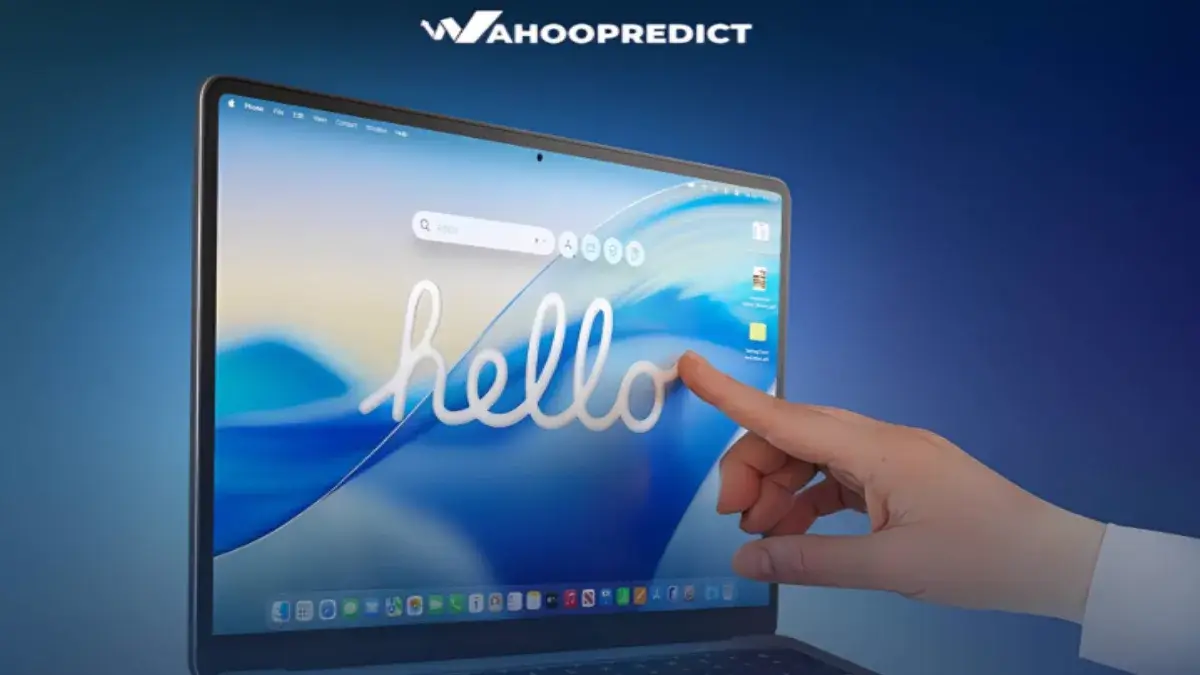
Apple may be preparing a major change to its MacBook Pro line, with reports pointing to a possible November 6 launch window for the company’s first touch-screen MacBook Pro. The prospect has drawn attention because Apple has traditionally kept touch interaction on the iPad while relying on a keyboard, trackpad and mouse for Mac computers.
At the time of writing, buyers should treat the reported date and product details as expectations rather than a confirmed announcement unless Apple publishes an official launch notice. Apple frequently keeps hardware plans confidential, and rumours can change before a product is introduced.
What a touch-screen Mac could offer
A touch display could make some actions feel more direct, including selecting interface elements, navigating timelines, annotating documents and working with creative applications. It could also appeal to users who move between a laptop and tablet during the day. The important question is how macOS would adapt: touch targets, menus and gestures need to work comfortably without making the traditional pointer-based experience worse.
Professional users will also want to know whether the screen supports a stylus, how palm rejection works and whether touch input affects battery life. These details can matter as much as the headline feature, particularly for designers, video editors and people who work away from a desk.
Performance, display and pricing
Any new MacBook Pro would be judged on more than touch support. Buyers will look for processor performance, memory options, storage configurations, display brightness, colour accuracy, port selection, cooling and battery endurance. Apple’s professional laptops are premium devices, so an added display feature could also influence pricing, although no reliable price should be assumed before official specifications are released.
Compatibility is another consideration. Touch-enabled workflows would be most useful when developers update applications for the new interaction model. Existing software may continue to work, but the experience could vary from app to app.
Should buyers wait?
Anyone planning to purchase a MacBook Pro immediately should compare the current models against their actual needs rather than postponing a purchase solely on the basis of rumours. Those who can wait may benefit from seeing whether Apple announces new hardware and what it means for prices across the range.
For now, the potential November 6 date is a watch point, not a guarantee. Apple’s official newsroom and product pages remain the best sources for confirmed launch timing, specifications and availability. Until those details appear, reported features should be considered provisional.
Compatibility and workflow questions
Professionals should also consider whether touch controls would be optional or integrated throughout macOS. A laptop must remain comfortable to use for long sessions, and frequent reaching towards a display can be tiring if the interface is not designed carefully. For designers, the potential benefit may be direct manipulation of canvases and timelines; for developers, it may be less important than sustained performance and reliable external-display support. Buyers should also check repairability, warranty terms and the cost of higher-memory configurations. These are practical ownership factors that remain relevant regardless of whether a new interaction method is introduced.