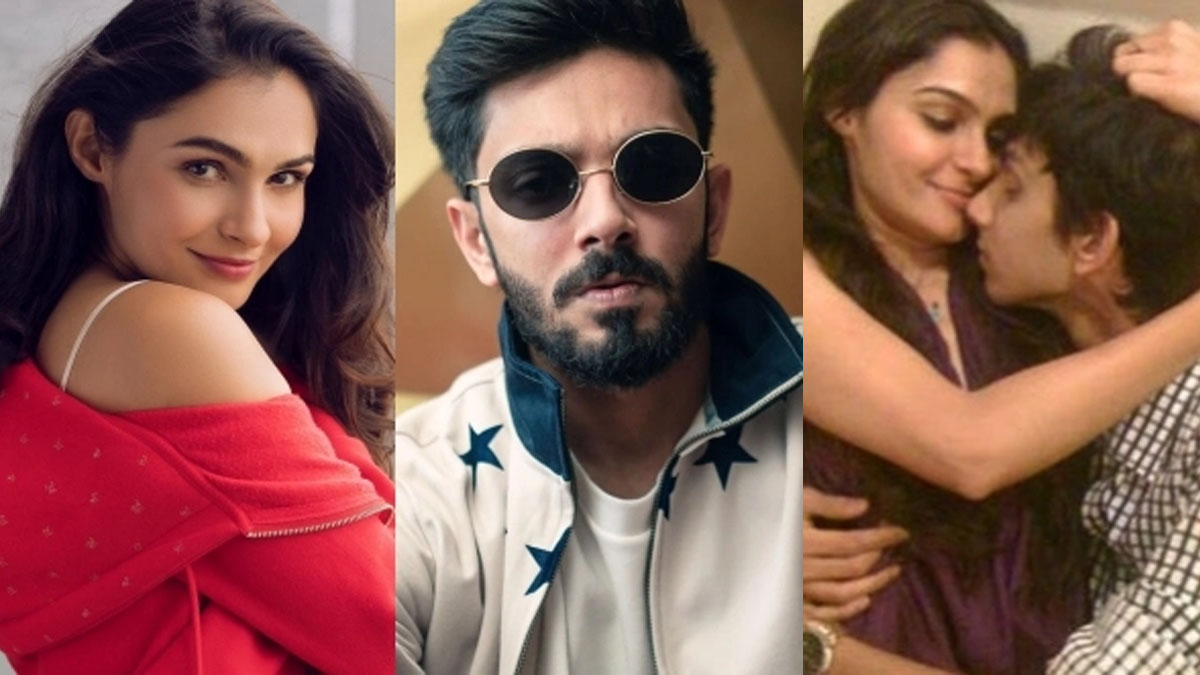
A controversy involving composer Anirudh Ravichander and actor-singer Andrea Jeremiah resurfaced in entertainment discussions after private photographs of the pair circulated online in August 2012. The episode drew intense attention because Anirudh had become widely known through the success of “Why This Kolaveri Di,” while Andrea was already recognised for her work in Tamil film and music.
What happened in 2012?
Contemporary reports by India Today said photographs showing Anirudh and Andrea in affectionate poses spread through social media. At the time, the nature of the pair’s relationship had been the subject of speculation. Some early coverage noted that the images’ authenticity had not initially been independently confirmed. Later reporting said Andrea acknowledged the photographs and described the images as older, while coverage attributed to Anirudh expressed concern about how they had been obtained and circulated.
The private images should not be republished or treated as entertainment content. The central issue was that personal photographs had entered public circulation without clear consent, prompting discussion about privacy in the digital age.
Why did the story attract so much attention?
The incident took place at a point when social networks and video-sharing sites were rapidly changing how celebrity news travelled. An image could spread far beyond its original audience in a short time, often without context or confirmation. The episode illustrates how public curiosity can turn an individual’s private life into a topic of mass discussion, even when the people involved have not chosen to make those details public.
What is confirmed, and what remains speculation?
Contemporary media reports documented the circulation of the images and public reactions. However, exact claims about when a relationship began, the reasons it ended, or whether a particular age gap caused a breakup should not be repeated as fact without reliable sourcing. Neither a leaked photograph nor online speculation can establish the full details of a private relationship.
Likewise, Andrea’s current marital status is not the main news value of this old incident and should not be used to imply that the 2012 episode determined her personal choices. Both artists have continued their professional work in music and entertainment.
The wider lesson about digital privacy
Private images can be copied, altered, or circulated outside the control of the people pictured. Responsible coverage should avoid linking to leaked material, should distinguish verified statements from rumours, and should focus on the public-interest questions raised by the incident rather than amplifying personal details.
Frequently asked questions
When did the photographs circulate?
Contemporary Indian news reports covered their circulation in August 2012.
Did the incident trigger privacy concerns?
Yes. The reports highlighted concerns about private photographs being shared online without permission.
How entertainment outlets should cover old controversies
When an old story trends again, responsible reporting should provide dates and contemporaneous context instead of presenting recycled social-media captions as breaking news. It should avoid turning unverified personal claims into headline facts, especially when they concern relationships, consent or private images. Readers also benefit from knowing what the original reporting actually established and which details were only rumour.
For audiences, the controversy remains a reminder that sharing intimate content can cause lasting harm, even years after the initial incident. A public figure’s career does not remove the expectation of privacy, and access to a photograph is not permission to redistribute it. This retrospective therefore focuses on the documented media episode and its privacy implications rather than speculation about the artists’ personal lives.
Sources: India Today coverage published in August 2012. This article does not reproduce private images or treat speculation about the relationship as confirmed fact.