Updated November 27, 2026: The Union Home Ministry has directed state governments and Union Territory administrations to exercise specific powers under Sections 7 and 8 of the Unlawful Activities (Prevention) Act (UAPA) in relation to the Islamic Research Foundation (IRF). The direction was issued through notification S.O. 6386(E), dated November 26, under Section 42 of the Act.
The order concerns powers over funds and premises associated with an organisation already declared an unlawful association by the Centre on November 13. It is a limited delegation of specified powers, not a transfer of every power under the UAPA and not a fresh declaration against the organisation.
What the November 26 notification says
The notification directs that powers exercisable by the Central Government under Sections 7 and 8 of the UAPA shall also be exercised by state governments and Union Territory administrations in relation to the IRF. The Gazette reference is S.O. 6386(E), published on November 26, 2026; the Gazette ID is CG-DL-E-26112026-278175.
What Sections 7 and 8 cover
- Section 7: Powers relating to prohibiting the use or transfer of funds, securities and other financial assets that are connected with an unlawful association.
- Section 8: Powers relating to notifying places used for the activities of an unlawful association and regulating access to or use of those premises.
The new notification allows state and Union Territory authorities to exercise those specified powers in relation to the IRF. It does not say that all UAPA powers have been delegated.
How this relates to the IRF ban
The Home Ministry declared the IRF an unlawful association through a separate notification dated November 13, 2026, S.O. 6182(E), under Section 3 of the UAPA. The November 26 order is a subsequent step concerning the exercise of powers over funds and premises.
The distinction matters: the new notification does not itself announce a new five-year ban, nor does it announce a specific seizure, premises notification or enforcement action by an individual state. Any such action would need to be assessed against the Act and the relevant order.
What the order does not mean
The notification should not be read as giving states blanket authority over every provision of the UAPA in this case. It specifically refers to Sections 7 and 8. It also does not, by itself, announce arrests or establish that a particular property or account has already been acted upon.
What happens next?
State governments and Union Territory administrations can exercise the delegated powers in relation to the IRF, subject to the provisions of the UAPA and the terms of the notification. The Ministry’s order does not list individual state-level actions, so any later enforcement steps should be reported separately when confirmed.
For related legal coverage, read Infoflick’s explainer on the Supreme Court’s ruling on PMLA adjudication.
Sources and legal documents
- eGazette of India — search for Gazette ID CG-DL-E-26112026-278175 or notification S.O. 6386(E), November 26, 2026.
- Hindustan Times / PTI: Centre authorises states and UTs to exercise specified UAPA powers
- Searchable copy of the notification text and Gazette reference
- UAPA Section 42: Power to delegate
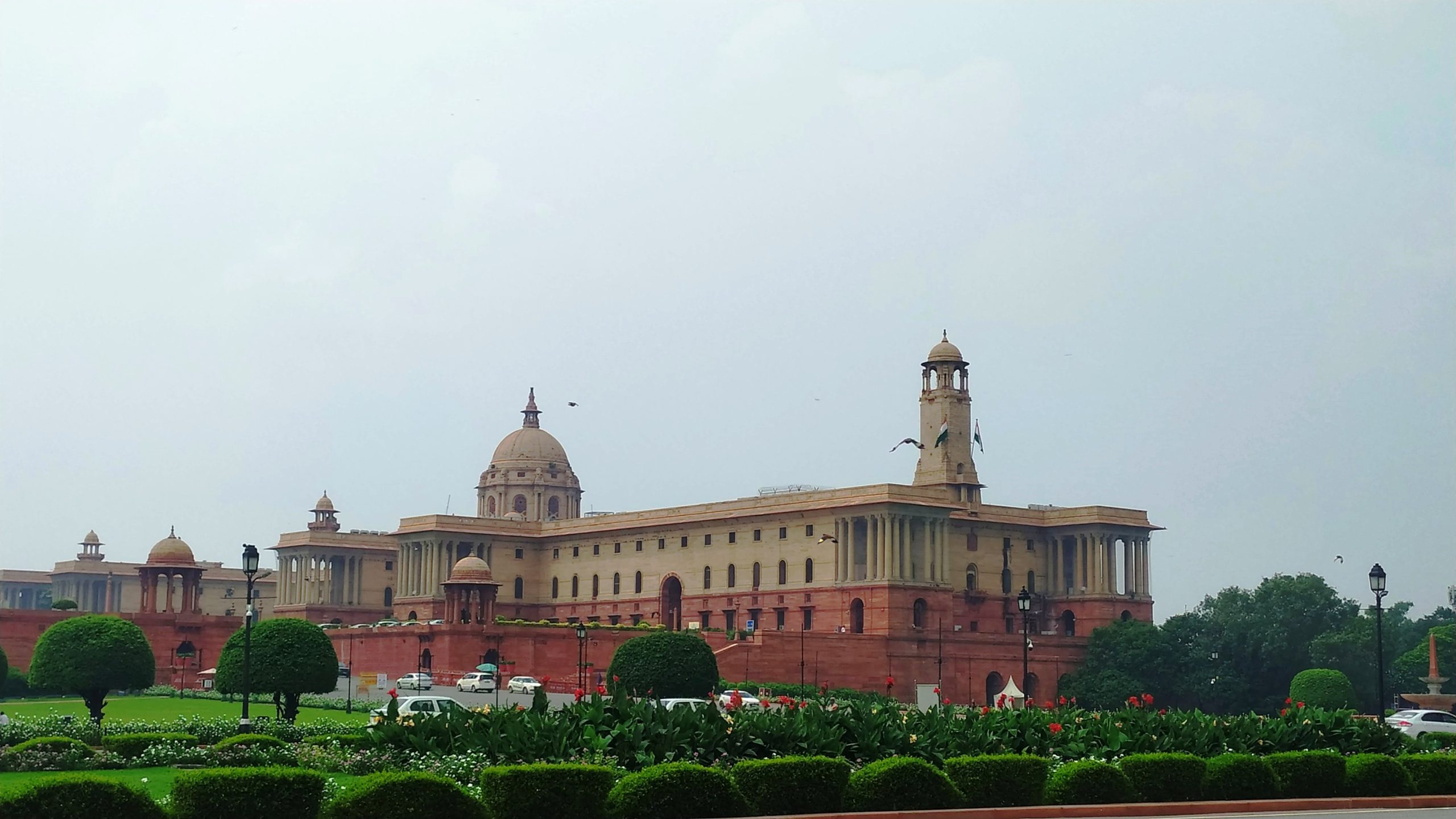
Featured image: North Block, Central Secretariat, New Delhi. File photograph used for illustration; it is not an image of the notification or any enforcement action.