The Telecom Regulatory Authority of India (TRAI) has invited public comments on draft guidelines that would require telecom operators and other authorised entities using artificial intelligence to put formal safeguards around AI systems. The draft was released on October 30, 2026, and the regulator’s consultation page lists November 27 as the deadline for stakeholder comments.
What does the draft propose?
The proposal would apply to entities holding a telecom licence or relevant authorisation and using, or intending to use, AI in telecommunication networks or services. It is designed to make operators more accountable for AI systems that can affect network operations, service delivery and consumers.
Under the draft, each covered entity would need an internal AI policy approved by its board or equivalent governing body. AI systems would be classified as high, medium or low risk, taking into account their significance to network operations, financial and operational outcomes, and potential effects on consumers. A designated officer would have to approve the use of an AI system.
Four levels of AI incident severity
The proposal divides AI-related incidents into four categories: critical, high, moderate and low. Telecom entities would have to record incidents in a central database, investigate them and follow predefined procedures to reduce harm. Critical- and high-severity incidents would have to be reported to TRAI in the format and timeframe prescribed by the regulator.
The draft also proposes an updated inventory of active, inactive and decommissioned AI systems. Operators would need to conduct due diligence on third-party AI products and carry out validation, conformity and impact assessments before deploying a new system or materially changing an existing one.
Human oversight and consumer complaints
Human oversight is a central part of the draft. Companies would need mechanisms for people to monitor AI systems and intervene where necessary. The proposal also covers data governance, privacy, confidentiality and cybersecurity obligations throughout the AI lifecycle.
Consumers who report harm connected to an AI system would need access to a grievance-redressal mechanism, with complaints addressed within a reasonable timeframe. The draft also proposes an AI Governance and Safety Committee, led by a senior executive, to review the performance of deployed systems at least once every financial year.
Is this already a binding rule?
No. TRAI lists the document as an open consultation, not a final regulation. The proposed requirements may change after the regulator reviews stakeholder submissions. Telecom companies should not treat every draft provision as an operative legal obligation until TRAI issues a final framework or other binding direction.
How to submit comments
Interested stakeholders can read the draft guidelines on TRAI’s official website and use the regulator’s consultation process before November 27, 2026. The draft paper sets out the proposed controls and the procedure for sending comments.
Related Infoflick technology coverage
Read about Indian AI and space-tech investment in our reports on SatSure’s ₹60-crore funding and Soket AI’s $4-million investment.
Sources and verification
- TRAI: Draft Guidelines on Responsible Use of AI in Telecom
- TRAI: Open consultation status and November 27 closing date
- Mint: Proposed AI policies and incident reporting for telecom operators
- The Indian Express: Explanation of TRAI’s AI accountability proposals
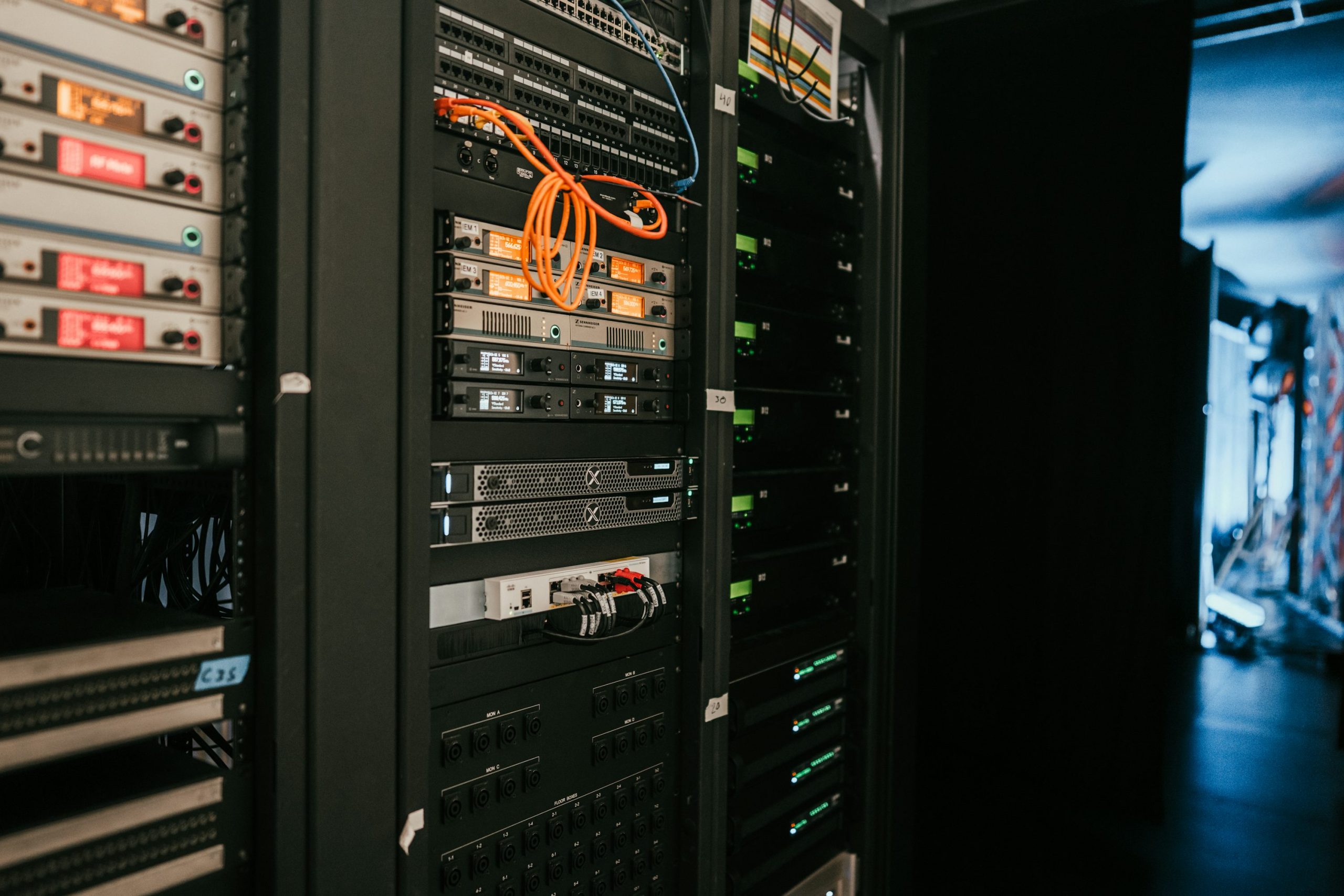
Image note: Representative data-centre server infrastructure, not a photograph of a specific telecom operator. Photo: Kevin Ache / Unsplash, used under the Unsplash License.
Infoflick Technology Desk | November 22, 2026