
The global expansion of artificial-intelligence data centres is facing growing local opposition, with communities raising concerns about electricity use, water demand, land acquisition and environmental impact. A report published by Le Monde on November 21 describes disputes in countries including India, Chile, Ireland and Japan, where residents and campaigners are asking how the benefits and costs of large computing facilities will be shared.
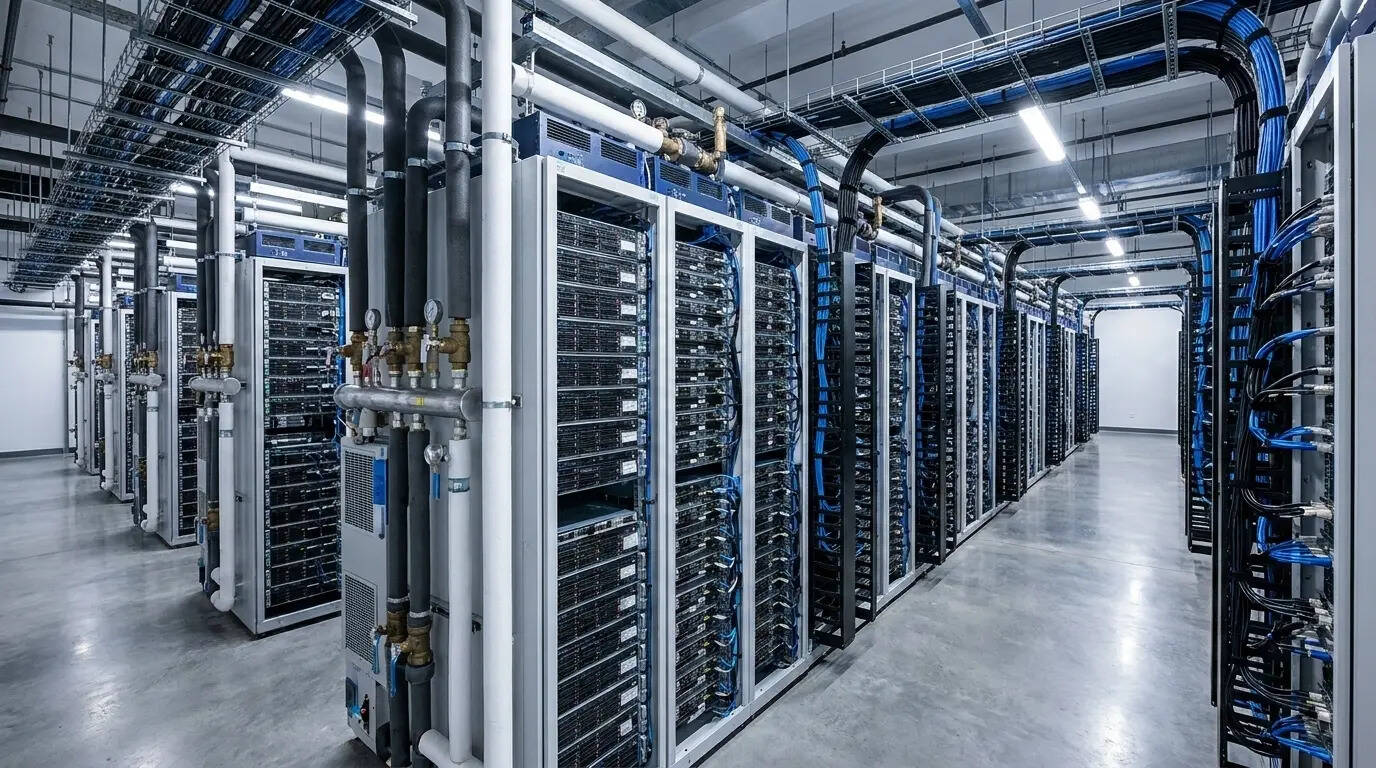
AI services depend on large computing clusters that require substantial power, cooling systems and supporting infrastructure. As companies plan larger facilities, questions about grid capacity, water availability and local environmental safeguards are becoming more prominent.
Why data centres are drawing scrutiny
Modern AI data centres house high-performance processors and networking equipment that generate considerable heat. Operators use cooling systems to keep hardware within safe operating conditions, while reliable electricity supplies are essential for continuous operation.
In areas already facing water stress or pressure on electricity networks, residents may worry that new facilities could compete with households, farms and existing businesses for scarce resources. Land use, construction traffic and the transparency of project approvals can also become sources of disagreement.
Different countries, similar concerns
The Le Monde report describes local disputes in several regions. Ireland has faced questions about the share of national electricity consumed by data centres, while communities in Japan and parts of Europe have challenged new projects over land use, energy demand and public consultation.
In India and Chile, concerns include water scarcity, pollution, land acquisition and the strength of environmental review. At the same time, governments continue to pursue technology investment, digital infrastructure and jobs linked to the data-centre economy.
What this means for India’s AI ambitions
India wants to attract investment in cloud computing, AI infrastructure and digital services. Building that capacity requires more than land and servers: projects also need dependable power, water-efficient cooling, grid planning and transparent engagement with local communities.
Data-centre developers can reduce pressure through efficient hardware, liquid-cooling designs where appropriate, recycled or non-potable water, renewable electricity procurement and clear reporting of resource use. These measures do not remove every impact, but they can improve project planning and accountability.
The challenge ahead
The debate is not simply about whether AI infrastructure should expand. It is about how projects are located, how environmental effects are assessed and whether local communities have a meaningful voice before construction begins.
Key takeaway: As AI computing demand grows, power and water availability are becoming strategic issues for the technology industry. Sustainable infrastructure and public trust will be important to the next phase of data-centre development.
Source: Le Monde, November 21, 2026.




Comments