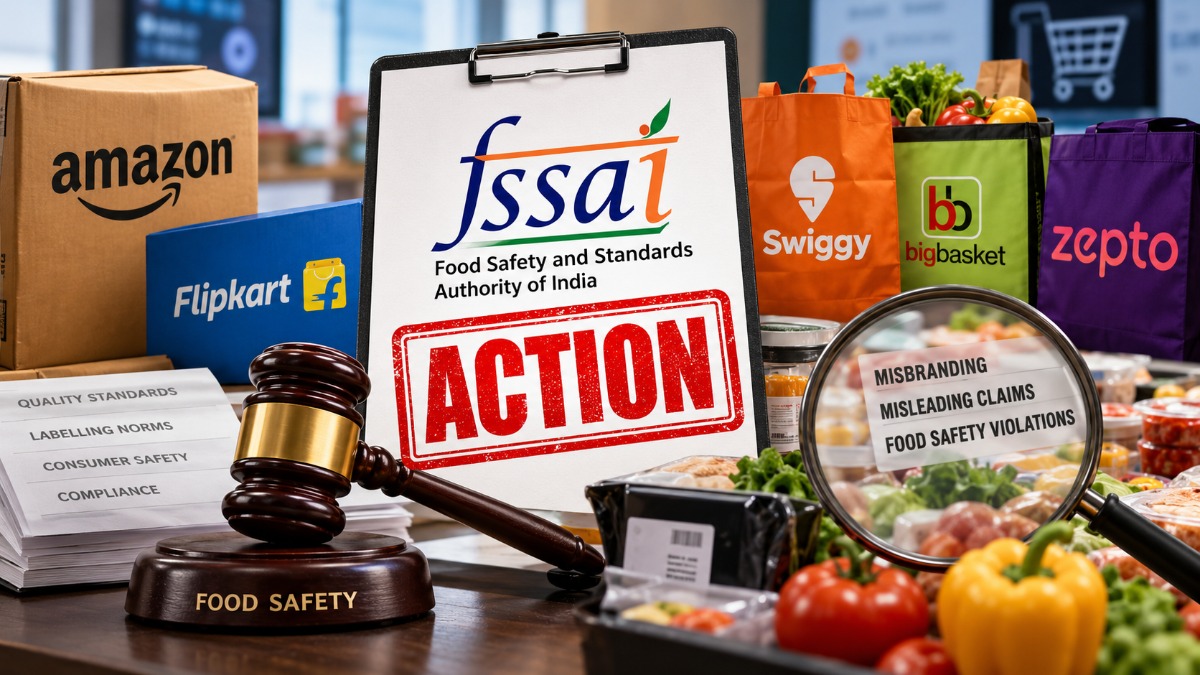
The Food Safety and Standards Authority of India (FSSAI) has issued notices to Gemini Edibles & Fats India, the operator of BigBasket and Flipkart India over alleged misleading health claims connected with Freedom-branded rice bran oil, according to reports published on October 16, 2026. The notices concern claims about cholesterol and health benefits that the regulator reportedly considers inconsistent with applicable rules.
The action is a regulatory notice, not by itself a final finding of liability. The companies will have an opportunity to respond through the relevant process, and the precise outcome will depend on the facts, applicable regulations and any subsequent orders.
What prompted the notices?
Media reports say FSSAI raised concerns about claims made for rice bran oil, including suggestions relating to cholesterol reduction or wider health benefits. Food and nutrition claims are regulated because consumers may rely on them when making dietary choices. Companies must ensure that claims are scientifically supportable, appropriately worded and permitted under the applicable food-safety regulations.
Reports also state that the regulator raised a licensing concern involving Gemini Edibles’ e-commerce activities. Licensing requirements and the permitted scope of a food business are separate from the question of whether a particular health claim is misleading. Both issues should be assessed against the official notice and the company’s response.
Why health claims are regulated
Cooking oils can differ in fatty-acid composition, and nutrition advice depends on the overall diet, quantities consumed and an individual’s health circumstances. A product cannot automatically be presented as preventing or treating a medical condition simply because it contains a particular type of fat. Claims need to follow the law and should not give consumers an exaggerated impression of benefits.
Rice bran oil is marketed for cooking and contains a mix of fats. Like other edible oils, its place in a diet depends on overall dietary patterns and appropriate use. Consumers with medical questions should seek advice from qualified healthcare professionals rather than rely on broad marketing slogans.
What it means for online marketplaces
Food products sold through e-commerce platforms must meet applicable food-safety and labelling requirements. Marketplaces, sellers and manufacturers may have different responsibilities depending on the facts and the rules that apply. The notices underline the importance of checking product descriptions, claims and licences across online retail channels.
Consumers who want to assess a claim can look for clear nutrition information, the manufacturer’s details and relevant regulatory disclosures. If a claim appears to promise a medical outcome, it is sensible to seek clarification from official sources.
What happens next?
The companies may submit responses and supporting information. FSSAI’s next steps will depend on those submissions and its assessment. Any penalties or corrective directions should be reported only after they are officially confirmed.
Bottom line: FSSAI’s notices raise questions about alleged health claims and licensing linked to rice bran oil sold online. The notices are an important regulatory development, but they should not be confused with a final adjudication.
Source: The Economic Times, October 16, 2026.