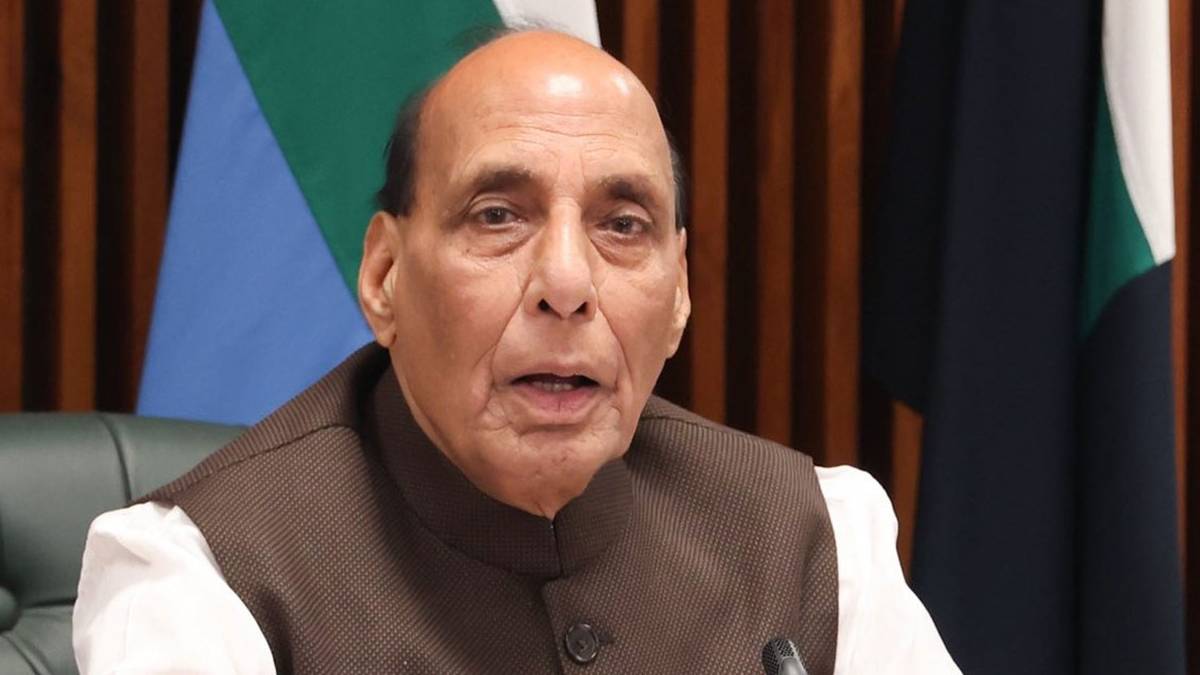
Defence Minister Rajnath Singh has accused the Congress and opposition groups of pursuing “regime change through violence” amid protests demanding action against Chief Election Commissioner Gyanesh Kumar. Singh’s remarks, reported on October 16, sharpened the political dispute over voter-list revisions, the Election Commission and the opposition’s street demonstrations.
According to news reports, Singh argued that the protests were not limited to concerns about electoral rolls but formed part of an effort to weaken independent institutions. He also criticised Congress leader Rahul Gandhi and alleged that opposition leaders were encouraging disorder. These are claims made by the minister and should be understood as political allegations, not as judicial findings or established proof of an organised plan.
What are the protests about?
The demonstrations have focused on the Special Intensive Revision (SIR) of electoral rolls and demands for the resignation or removal of Chief Election Commissioner Gyanesh Kumar. Opposition parties say the revision process could unfairly remove eligible voters and have raised questions about transparency and safeguards. Election authorities have maintained that roll revisions are intended to correct entries, including those of deceased, relocated, duplicate or otherwise ineligible voters.
The issue has moved into the legal arena as well. Reports say the Supreme Court has sought responses from election officials and authorities on petitions concerning the revision process and related restrictions on protest activity. Such notices allow the parties and authorities to respond; they do not mean a court has accepted every allegation made in a petition.
Political claims and counterclaims
Singh’s “regime change” language reflects a wider struggle over how the protests should be understood. The government and BJP leaders have portrayed the agitation as politically motivated and harmful to institutions. Opposition leaders say their campaign is a democratic effort to protect electoral rights and demand accountability.
In a democracy, competing claims about elections, public institutions and protests are best assessed through evidence, official records and independent scrutiny. Strong political language may capture the intensity of a dispute, but it cannot substitute for proof. Readers should distinguish a statement made by a political leader from independently verified events and from any future legal findings.
What happens next?
The issue is likely to continue through public demonstrations, party statements, responses from the Election Commission and court proceedings. Any substantive resolution will depend on the facts presented, the legal process and the actions of the relevant authorities.
For citizens, the practical concern is ensuring that their voter-registration details are accurate. Voters should use official election channels to check enrolment and follow the published process if a correction or re-enrolment is required.
Sources: Hindustan Times and Indian Express reporting published October 16, 2026, alongside coverage of the related court proceedings.